In this article 14 sections
Update, October 2026: The $7,500 federal clean vehicle tax credit (and the $4,000 used-EV credit) ended for vehicles acquired after September 30, 2025, under the One Big Beautiful Bill Act. No new EV bought today qualifies. Any older mention of the federal credit on this page is historical. Check your state’s rebates at AFDC.energy.gov and see the federal EV tax credit ended for details.
Shopping for a 2026 model? This page covers the 2025 model year. For current prices and rankings, see Best Electric & Hybrid Cars 2026 — Tax Credits, EPA Range & US Pricing.
The best electric cars of 2025 are the Hyundai Ioniq 6 (best overall: up to 342 miles of EPA range, from $37,850), the Tesla Model 3 Long Range RWD (363 miles, $42,490), the Chevrolet Equinox EV (319 miles for $34,995), the three-row Kia EV9 (up to 304 miles), the Ford Mustang Mach-E (up to 320 miles) and the Lucid Air Pure (420 miles, the longest range). The federal EV tax credit ended for vehicles acquired after September 30, 2025, so price and range matter more than ever. Below, each EV is compared with official EPA and manufacturer data, plus budget picks, hybrids and buying tips.
The 2025 model year brought some of the longest-range and most efficient electric vehicles ever sold in the US, along with a few genuinely affordable ones. It also ended with a big policy change: the $7,500 federal tax credit is gone for any EV acquired after September 30, 2025. That makes the sticker price, the EPA range and your access to charging more important than ever.
This guide ranks the best electric vehicles of 2025 using EPA ratings from FuelEconomy.gov and US prices from manufacturer newsrooms. It covers range, price, charging, the case for a used EV, and when a hybrid makes more sense. Every number below was checked against an official source in October 2026, and the sources are listed at the end.
Why Electric Vehicles Are Booming in 2025
EV Sales Surge
US EV sales hit a record in the third quarter of 2025. Cox Automotive reported 438,487 EVs sold in Q3 2025, a 10.5% share of all new-vehicle sales, up from 8.6% a year earlier. Much of that rush came from buyers trying to beat the September 30 tax credit deadline.
The surge did not last. Cox Automotive reported that EV share fell to 5.8% in Q4 2025 once the credit was gone, and full-year 2025 EV sales ended about 2% below 2024. Battery technology and range keep improving, but demand in the US now depends more on price than on incentives.
Incentives Drive Adoption
Until September 30, 2025, the US offered up to $7,500 off qualifying new EVs and up to $4,000 off qualifying used EVs. Both credits ended for vehicles acquired after that date, according to the IRS. If you buy a 2025 EV today, the federal credit does not apply.
State and utility incentives still exist in many places, including rebates for the car and for a home charger. They change often, so check the Alternative Fuels Data Center (AFDC) state laws and incentives database before you shop. Some automakers also replaced the federal credit with their own cash or lease discounts, so ask the dealer what is available in your area.
Gas Cars vs. EVs
Are EVs everywhere? Not yet. Gas and hybrid cars still make up the large majority of new sales. Even at the Q3 2025 peak, roughly one in ten new vehicles sold in the US was fully electric, and in early 2026 Cox Automotive put the share near 6%. China remains the world’s largest EV market, but Chinese brands such as BYD do not sell passenger cars in the US.
In the US, prices are moving in the right direction. The 2025 Nissan Leaf starts at $28,140 and the 2025 Chevrolet Equinox EV at $34,995 including destination, so new EVs under $35,000 do exist. More affordable models, such as the 2027 Chevrolet Bolt, are arriving now.
Future-Proof Your Ride
Gas prices swing with world events, while home electricity rates usually move more slowly. California’s plan to require all new cars sold to be zero-emission by 2035 is now uncertain: Congress voted in 2025 to revoke the federal waiver that rule depended on, and California is challenging that in court. Either way, charging access matters more than any target date.
Check the chargers near your home and work on the AFDC station locator before you buy. In general, EVs suit drivers who can charge at home. If you rent, park on the street, or live far from fast chargers, a hybrid may fit better for now.
How We Evaluated the Best Electric Vehicles of 2025
NextCarReview did not road-test these vehicles. This ranking is a research guide built from published data. We compared each model on EPA-estimated range, starting US price, manufacturer-stated DC fast-charging time, battery warranty and EPA annual fuel cost. Our sources were:
- FuelEconomy.gov (EPA) for range, MPGe, MPG and estimated annual fuel cost.
- Manufacturer US newsrooms and price sheets (Hyundai, Kia, Nissan, Toyota, Honda, Chevrolet) for MSRP.
- NHTSA’s complaints and recalls database for owner-reported problems on our top pick.
- IRS guidance for the end of the federal clean vehicle credits.
- Cox Automotive for US EV sales data, named where used.
Where a figure comes from a third-party outlet rather than an official source, we name the outlet. Prices are 2025 model-year MSRPs and may have changed since.
Pros and Cons of Buying the Best Electric Vehicles 2025
Benefits of EVs
EVs usually cost less to fuel. The EPA estimates the 2025 Tesla Model 3 Long Range RWD costs about $550 a year to charge, versus about $1,200 a year in gas for a 2025 Toyota Prius, based on 15,000 miles a year. At roughly 17 cents per kWh, 200 miles in an efficient EV such as the Equinox EV (31 kWh per 100 miles) costs about $10–$11 at home. There are no tailpipe emissions.
EVs also need less routine maintenance. There are no oil changes, spark plugs or timing belts, and regenerative braking reduces brake wear. Most drivers also like how smoothly and quietly they accelerate.
Downsides to Consider
But EVs have challenges. Charging takes time. A Level 2 home charger refills most EVs overnight, but even the fastest models in this guide need about 18–25 minutes at a DC fast charger to go from 10% to 80%. Without the federal credit, upfront prices are also higher than comparable gas cars in many segments.
Battery replacement out of warranty is uncommon but expensive, and costs vary widely by model. Most automakers in this guide warranty the EV battery for 8 years or 100,000 miles (Tesla’s Model 3 Long Range is 8 years/120,000 miles), and Hyundai and Kia go to 10 years/100,000 miles. EVs have also tended to depreciate faster than gas cars, so think carefully before buying.
Maintenance and Resale
EVs are easy to maintain. No engine means fewer parts to service. Tires can wear faster because EVs are heavy and quick, so budget for them. Resale value is the bigger concern. Used EV prices fell sharply in 2023 and 2024 as new-EV prices dropped and Tesla cut prices.
In short, EVs cut upkeep costs but may lose value faster. Leasing is one way to avoid that risk, while buying used lets someone else take the depreciation hit.
| Pros of a 2025 EV | Cons of a 2025 EV |
|---|---|
| Low fuel cost: EPA estimates $500–$700 a year for the efficient models below | No federal tax credit after September 30, 2025 |
| Less routine maintenance (no oil changes) | DC fast charging still takes about 20 minutes or more |
| EPA ranges of 300–420 miles on several models | Fewer fast chargers in rural areas |
| Quiet, smooth acceleration | Faster depreciation than many gas cars |
| Battery warranties of 8–10 years | Range drops in cold weather and at highway speeds |
Best Electric Cars of 2025 (Expert Picks)
Top Models Shine
These six stand out in the 2025 model year on range, price and charging. The Hyundai Ioniq 6 is rated at up to 342 miles by the EPA (SE RWD, 18-inch wheels) and starts at $37,850 for the Standard Range model. The Tesla Model 3 Long Range RWD is rated at 363 miles and listed at $42,490. The Kia EV9, a three-row family SUV, is rated at up to 304 miles (Light Long Range RWD).
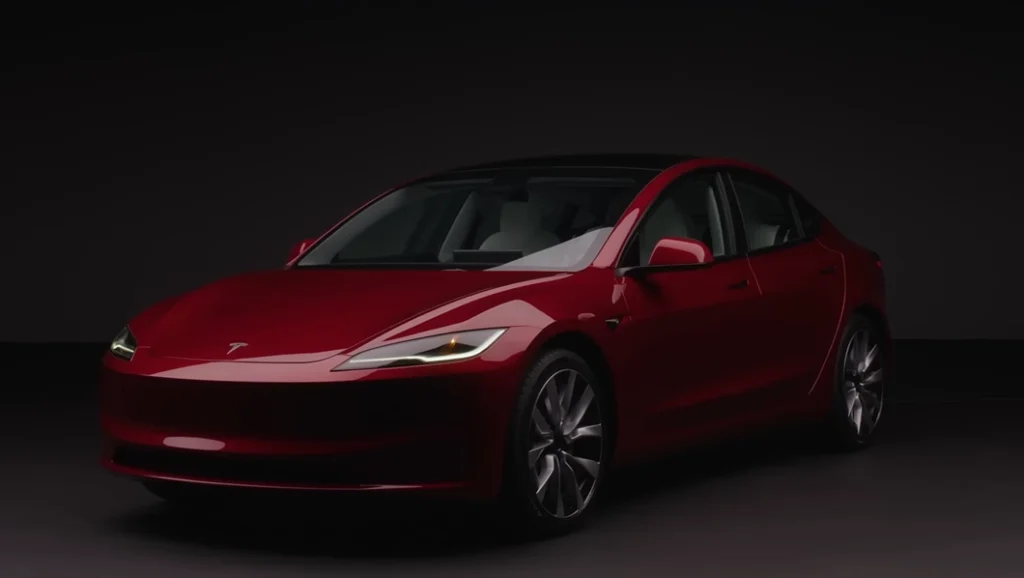
The 2025 Ford Mustang Mach-E is rated at up to 320 miles (RWD Extended Range) and 300 miles with AWD Extended Range. The Chevrolet Equinox EV starts at $34,995 including destination and is rated at 319 miles with front-wheel drive. The Lucid Air Pure leads the group at 420 miles on 19-inch wheels, the longest range here.
Comparison Table
Here’s how they stack up. Range is the best EPA rating for each model; price is the lowest 2025 starting MSRP. DC fast-charge times are manufacturer claims for 10–80% where the maker publishes one.
| Vehicle (2025) | Max EPA Range (miles) | Starting Price (USD) | DC Fast Charge (10–80%) | EV Battery Warranty |
| Hyundai Ioniq 6 | 342 | $37,850 | About 18 min (Hyundai claim) | 10 yr/100,000 mi |
| Tesla Model 3 Long Range RWD | 363 | $42,490 | Not published as 10–80% | 8 yr/120,000 mi |
| Kia EV9 | 304 | $54,900 | About 24 min (Kia claim) | 10 yr/100,000 mi |
| Ford Mustang Mach-E | 320 | About $37,995 (Select RWD, per U.S. News) | Not published as 10–80% | 8 yr/100,000 mi |
| Chevrolet Equinox EV | 319 | $34,995 (incl. destination) | Not published as 10–80% | 8 yr/100,000 mi |
| Lucid Air Pure | 420 | $69,900 | Not published as 10–80% | 8 yr/100,000 mi |
Note that range drops with larger wheels and all-wheel drive. For example, the Ioniq 6 AWD on 20-inch wheels is rated at 270 miles, and the Lucid Air Pure on 20-inch wheels at 372 miles. Always check the EPA rating for the exact trim you are buying.
Why These Stand Out
Each EV has its own strengths. The Ioniq 6 is one of the most efficient cars on sale (up to 135 MPGe combined, per the EPA) and has a sub-$40,000 starting price. The Model 3 has the longest range for the money and access to Tesla’s Supercharger network. The EV9 is one of the few three-row electric SUVs. The Mach-E offers sporty styling and several range and drivetrain choices.
The Equinox EV is the value pick, with more than 300 miles of range for under $35,000. The Lucid Air Pure is a luxury sedan, and the EPA rates it at 146 MPGe combined, the most efficient EV in this group. In short, there’s a strong EV for most budgets.
Owner-Reported Problems and Recalls: 2025 Hyundai Ioniq 6
Because the Ioniq 6 tops our list, we checked NHTSA’s database for the 2025 model year. As of October 2, 2026, owners had filed 35 complaints with NHTSA. These are unverified owner reports, not confirmed defects, and one complaint can list more than one component.
| Component (NHTSA category) | Complaints |
|---|---|
| Electrical system | 20 |
| Unknown or other | 8 |
| Power train | 5 |
| Fuel/propulsion system | 4 |
| Visibility/wiper | 3 |
NHTSA lists 3 recall campaigns covering the 2025 Ioniq 6. Campaign 24V868 covers the Integrated Charging Control Unit (ICCU), which may be damaged and stop charging the 12-volt battery, which can lead to a loss of drive power. Campaign 25V606 covers a charging port door panel that may detach. A third campaign (26V218) covers seat belt anchors that may detach. Enter your VIN at NHTSA.gov/recalls to see if your car is affected.
Best Affordable EVs Under $40K in 2025
Budget-Friendly Picks
Saving money? The 2025 Nissan Leaf S starts at $28,140 with 149 miles of EPA range. The Leaf SV Plus ($36,190) is rated at 212 miles. Hyundai’s 2025 Kona Electric starts at $32,975 for the SE (200 miles), and the SEL and higher trims with the larger battery are rated at up to 261 miles. The Ioniq 6 Standard Range ($37,850, 240 miles) and the Equinox EV ($34,995, 319 miles) also fit under $40,000.
Two cars from older versions of this list need correcting. The Chevrolet Bolt EUV was not sold as a 2025 model; its last model year was 2023 (247 miles EPA). GM has since revived the nameplate as the 2027 Chevrolet Bolt, which it announced in October 2025. Third-party outlets report it at $28,995 with 262 miles of EPA range. The BYD Dolphin is not sold in the US, and BYD has not announced US passenger car sales.
Why Choose Affordable EVs
These models suit daily commutes. For example, the Leaf S is fine for short city drives, but its 149-mile range and older CHAdeMO fast-charge port limit road trips. The Kona Electric adds SUV practicality. The Equinox EV offers the most range per dollar.
Affordable EVs make electric driving possible for more people, but range and charging speed are where they save money. Check charger access in your area, and make sure the car’s charging port works with the stations near you.
Should You Buy New or Used EVs in 2025?
Benefits of Used EVs
Used EVs cut costs. Many models lost a large share of their value in the first few years, so a two- or three-year-old EV can cost far less than new. The $4,000 federal used-EV credit ended for vehicles acquired after September 30, 2025, so it no longer applies.
Used examples of the Equinox EV, Ioniq 6 and Model 3 are now common on dealer lots. Prices vary by mileage, trim and region, so compare listings before you buy. In short, used EVs can save a lot for budget buyers.
Risks of Used EVs
But risks exist. Batteries slowly lose capacity with age and use, and some warranties may have expired. Ask for a battery health report, and check the remaining battery warranty. Older EVs with small batteries, such as early Leafs, are the most likely to have lost noticeable range.
Therefore, inspect carefully and run the VIN through NHTSA’s recall lookup. In contrast, new EVs offer full warranties and current tech. But they cost more, such as $34,995 for a new Equinox EV.
New vs. Used Verdict
New EVs give peace of mind, and many 2025 models are rated at 300 miles or more. However, used EVs fit tight budgets. For example, a used Leaf or Kona Electric can save thousands for a city commuter.
So, choose based on your needs. If you want longevity and the newest charging hardware, go new. If you need savings and drive shorter distances, go used.
EV Range and Charging in 2025
Range Improvements
The EVs in this guide are rated between 149 miles (Nissan Leaf S) and 420 miles (Lucid Air Pure). Five of the six top picks have at least one version rated above 300 miles. The Ioniq 6’s 342-mile rating is enough for most long commutes with charge to spare.
Keep in mind that EPA ratings blend city and highway driving. Range at steady 70+ mph highway speeds, and in cold weather, is usually lower. Even so, range anxiety is far less of an issue than it was a few years ago.
Charging Made Simple
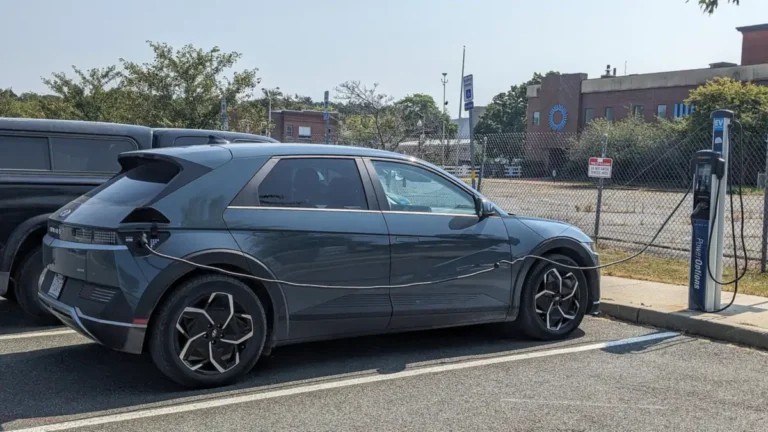
Charging is easier than it used to be. The quickest 2025 models can go from 10% to 80% in about 18–25 minutes on a high-power DC fast charger. Home charging is usually the cheapest option, while public fast charging often costs several times more per kWh. Apps such as PlugShare and the AFDC station locator map chargers.
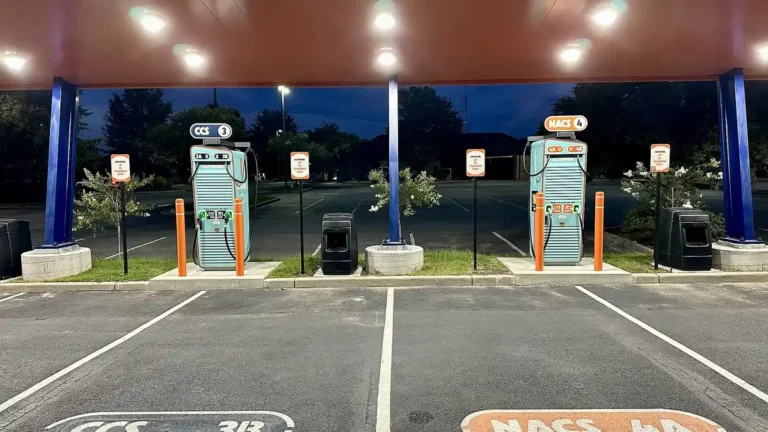
Many automakers, including Hyundai, Kia, Ford and GM, have adopted Tesla’s NACS plug or offer adapters for Supercharger access. However, rural areas still have fewer stations. So, plan road trips carefully.
Road Trip Tips
Long drives need planning. Map fast chargers along your route, and plan stops before the battery drops below about 20%. Charging slows down above 80%, so several short stops are usually faster than one long one. Have a backup station in mind in case one is busy or out of service.
Hybrids work if chargers are scarce. In other words, EVs suit most trips, but hybrids offer flexibility.
Electric Cars 2025 Tips: Quick Buying Checklist
- Check charging first. Look up chargers near home and work on the AFDC station locator; EVs suit drivers who can charge at home.
- Read the EPA range for your exact trim. Bigger wheels and AWD cut range: the Ioniq 6 drops from 342 to 270 miles on AWD with 20-inch wheels.
- Do not count on the federal credit. It ended for vehicles acquired after September 30, 2025; check state and utility incentives in the AFDC database and ask about automaker discounts.
- Compare battery warranties. Most EVs here carry 8 years/100,000 miles; Hyundai and Kia offer 10 years/100,000 miles.
- Buying used? Ask for a battery health report, confirm the remaining battery warranty and run the VIN through NHTSA’s recall lookup.
- Match the plug to your stations. Many brands have adopted Tesla’s NACS plug or offer adapters; older models such as the Leaf use CHAdeMO.
Hybrids vs. Full EVs: Which Should You Buy?
Top Hybrids in 2025
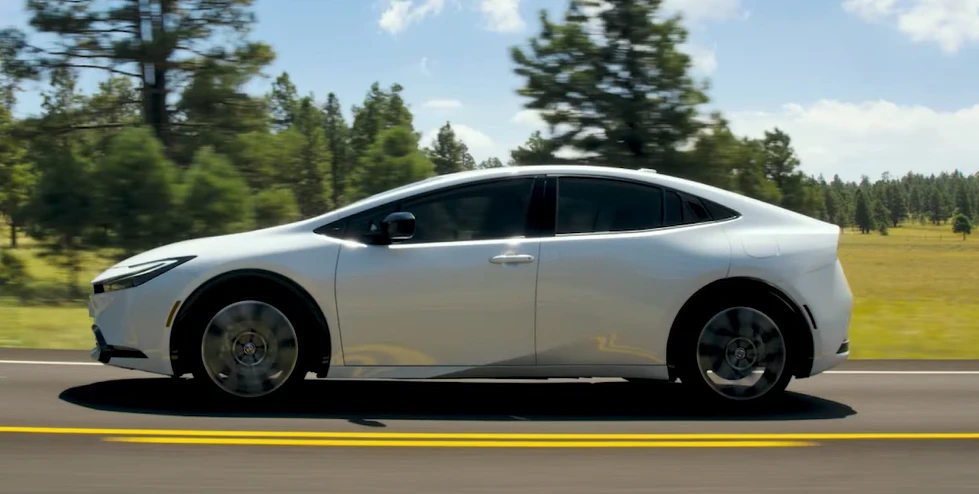
Hybrids are the most flexible choice. The 2025 Toyota Prius LE is EPA-rated at 57 mpg combined and starts at $28,350. The 2025 Honda Accord Hybrid is rated at up to 48 mpg combined; the Accord Sport Hybrid starts at $33,655 and is rated at 44 mpg. The 2025 Kia Niro Hybrid starts at $26,990 and is rated at up to 53 mpg in FE trim. These save fuel and need no charging.
When Hybrids Win
Hybrids suit rural areas and long trips because there is no need to find a charger, and refueling takes a few minutes. With an EPA rating of up to 48 mpg combined, an Accord Hybrid can cover hundreds of miles between fill-ups. EVs, by contrast, need planned charging stops. But EVs save more on fuel in places with good charging access.
EVs vs. Hybrids Verdict
EVs cut emissions and fuel costs the most. The EPA estimates the Model 3 Long Range RWD saves about $9,250 in fuel over five years compared with the average new vehicle, versus about $6,000 for the Prius. But hybrids offer flexibility. If you drive long distances in areas with few chargers, choose a hybrid. If you can charge at home, an EV is hard to beat.
Newest Electric Cars: 2026 and 2027 Models Now Arriving
If you are shopping for the newest electric cars rather than leftover 2025 stock, these recently launched models are worth adding to your list. Figures are manufacturer-announced; see our best electric and hybrid cars of 2026 for the current rankings.
| New EV | Starting MSRP | EPA range | Notes |
|---|---|---|---|
| 2026 Toyota C-HR | $37,000 | Up to 287 mi (SE) | 338 hp, dual-motor AWD standard, NACS port |
| 2026 Toyota bZ Woodland | $45,300 | Up to 281 mi | 375 hp, AWD standard; 260 mi with all-terrain tires |
| 2027 Chevrolet Bolt | $28,995 (reported) | 262 mi (reported) | Announced by GM in October 2025 |
Sources: Toyota USA newsroom for the C-HR and bZ Woodland; GM for the Bolt announcement, with price and range as reported by third-party outlets. For more on specific affordable models, see our 2026 Nissan Leaf range report and our 2026 Hyundai Kona Electric vs Kia Niro EV comparison.
Which 2025 EV Is Right for You?
| Best for | Pick | Why |
|---|---|---|
| Best overall value | Hyundai Ioniq 6 | Up to 342 miles, about 18-minute 10–80% charging, from $37,850 |
| Longest range for the money | Tesla Model 3 Long Range RWD | 363 miles, Supercharger access |
| Families | Kia EV9 | Three rows, up to 304 miles |
| Lowest-cost 300-mile EV | Chevrolet Equinox EV | 319 miles for $34,995 |
| Maximum range and luxury | Lucid Air Pure | 420 miles, 146 MPGe |
| Short city commutes on a budget | Nissan Leaf | From $28,140 |
| No home charging | Toyota Prius | 57 mpg, no plug needed |
Should You Buy the Best Electric Vehicles 2025? Final Verdict
Urban Drivers Choose EVs
EVs fit city and suburban life, especially if you can charge at home. Public stations are most common in metro areas. The EPA’s annual fuel cost estimates for the efficient EVs here are $500–$700, versus about $1,200 for a Prius. The federal tax credit is no longer available, so compare out-the-door prices. The Equinox EV is a strong budget pick. In short, EVs shine for daily commutes.
Hybrids for Long Drives
Long-distance drivers? Hybrids like the Prius may be better. They need no charging stops, and 57 mpg keeps fuel costs low. Rural areas with few chargers favor hybrids. Pick a hybrid for flexibility, but expect EVs to become easier to use as charging networks grow.
Budget Buyers Go Used
Tight budget? A used EV can cost far less than new because of steep early depreciation. A used Bolt EUV (2022–2023) or Kona Electric can save thousands. However, check battery health and recall status. In contrast, new EVs offer full warranties. Balance cost and reliability.
Final Thoughts
The best electric vehicles of 2025 suit most drivers who can charge at home. The Ioniq 6 offers the best balance of range, charging speed and price, the Model 3 the most range for the money, and the Equinox EV the most range under $35,000. Hybrids such as the Prius fit rural and long-distance drivers. Used EVs save money. The bottom line: check your charging access first, then pick the range you need.
FAQs
What is the average range of EVs in 2025?
Are EVs cheaper to run than gas cars?
Should I buy a used EV in 2025?
How long does EV charging take in 2025?
Are hybrids better than EVs for long trips?
Is the Chevrolet Bolt EUV a 2025 model?
What is the best electric car of 2025?
What is the cheapest electric car in 2025?
Which 2025 electric car has the longest range?
For more, see our EV and hybrid guide.
For official rules, ratings and consumer guidance on this topic, see:
FuelEconomy.gov 2025 EV ratings; Hyundai 2025 Ioniq 6 price sheet; Hyundai 2025 Kona Electric price sheet; Kia 2025 EV9 pricing; Kia 2025 Niro Hybrid pricing; Nissan 2025 Leaf pricing; Toyota 2025 Prius pricing; Honda 2025 Accord pricing; GM: 2027 Chevrolet Bolt; Cox Automotive Q3 2025 EV sales; Cox Automotive Q4 2025 EV sales; Toyota: 2026 C-HR; Toyota: 2026 bZ Woodland; IRS clean vehicle credits; NHTSA recalls. Checked October 2026. Written by Morgan Reyes; NextCarReview does not road-test vehicles.

Morgan Reyes is the founder and editor-in-chief of NextCarReview, which Morgan launched in August 2024. A 2022 graduate of Columbia University, Morgan is based in New York and writes and edits the site’s reviews, comparisons and buying guides. Morgan does not road-test vehicles. Every article is built from published primary data: EPA FuelEconomy.gov ratings, NHTSA crash ratings, recalls and owner complaints, IIHS results, and manufacturer specifications and pricing, with each figure cited and checked before publication. Contact: admin@nextcarreview.com