
In this article 8 sections
Run two checks. NICB VINCheck is free (5 searches per day per IP) and shows insurer reports of theft (not recovered), salvage or flood damage. An NMVTIS report from a DOJ-approved provider shows state title brands such as salvage, junk and flood, the latest odometer reading and insurance total-loss records.
Brands differ by state: Texas uses salvage, nonrepairable and Rebuilt Salvage; California shows a salvaged brand in a red "VEHICLE HISTORY" box on the title. Neither database is complete, so add a mechanic’s inspection.
Paste any 17-character VIN into the NextCarReview VIN decoder to see the year, make, model, engine and plant data that NHTSA’s vPIC database holds for it.
Sources: the U.S. Department of Justice’s NMVTIS consumer pages, NICB VINCheck, and title-brand pages from the California DMV and Texas DMV. NextCarReview does not sell vehicle history reports and does not rank paid report services; see our sourcing policy.
This is general information. Decoded details come from manufacturer submissions to NHTSA; always confirm a specific vehicle with its title, the manufacturer or a dealer.
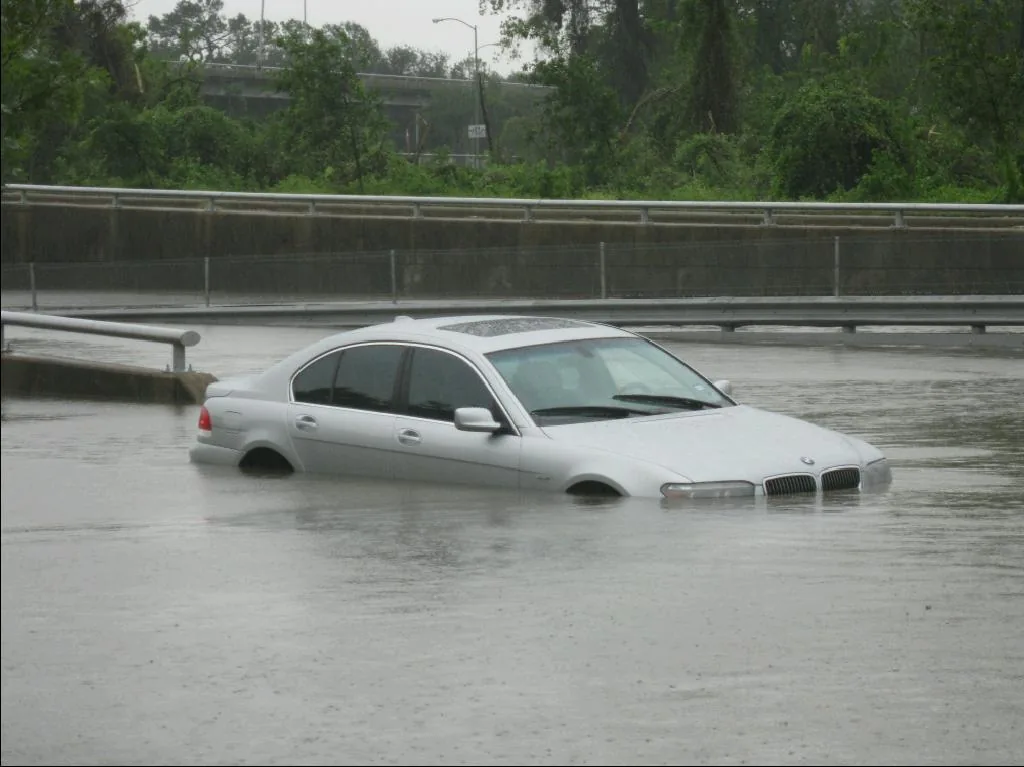
A salvage, flood or rebuilt brand can cut a car’s value sharply and may signal hidden damage, especially to electrical systems and airbags after a flood. The problem is that brands can be hidden: a car branded in one state can be retitled in another that doesn’t check, a practice known as title washing. Federal and industry databases exist to catch this, and the best approach is to combine them. Start by decoding the VIN with our VIN decoder to confirm it matches the car in front of you.
What Do Salvage, Flood and Rebuilt Title Brands Mean?
NMVTIS defines a brand as a descriptive label that states assign to a vehicle to identify its current or prior condition, such as junk, salvage or flood (NMVTIS). Each state sets its own definitions. Two examples:
| Brand | Texas (TxDMV) | California (DMV) |
|---|---|---|
| Salvage | Damage where repair costs exceed a set share of value (or out-of-state salvage documents); cannot be registered until rebuilt | ‘Salvaged’ brand for vehicles in an accident or with considerable damage from flood, vandalism or similar; includes previously dismantled (junk) vehicles |
| Rebuilt / revived | ‘Rebuilt Salvage’: previously salvage, passed safety and anti-theft inspections | Revived salvage: a total loss rebuilt and restored to operation, with DMV/CHP verification and a safety systems inspection |
| Nonrepairable / junk | Only value is as parts or scrap; can never be repaired for road use | Revived junk: previously reported dismantled, later restored |
| Flood / water damage | ‘Water damage’ brand | Included in the salvaged brand’s description of damage sources |
California prints the brand in a red box titled VEHICLE HISTORY near the upper right corner of the title, and lists other brands too, including former taxi, former police, non-USA (grey market), warranty return (lemon law buyback) and remanufactured (California DMV).
How Does an NMVTIS Check Work?
The National Motor Vehicle Title Information System (NMVTIS), run under the Department of Justice, collects data from state titling agencies, auto recyclers, junk and salvage yards, and insurers. Before buying, consumers can use it to find (NMVTIS):
- Information from the vehicle’s current title, including its brand history.
- The latest reported odometer readings.
- Any determination by an insurer or self-insured organization that the vehicle is salvage, including total losses.
- Any report of the vehicle being transferred or sold to an auto recycler, junk yard or salvage yard.
NMVTIS reports are sold through approved data providers listed on the DOJ site, which lists them alphabetically without endorsing any. The site notes that consumers cannot get NMVTIS reports from Carfax, DMVDesk or Experian, which provide NMVTIS data only to dealerships (NMVTIS providers). TxDMV tells buyers to have a credit card ready and says prices begin at a couple of dollars, so it may pay to compare providers (TxDMV).
Need the title history?
EpicVIN is one of the approved NMVTIS data providers listed on the Justice Department’s vehiclehistory.gov site, so its paid report includes the NMVTIS title brand and odometer check. Check what the report covers and the price on EpicVIN before you buy.
Check a VIN history on EpicVIN
Affiliate link: NextCarReview earns a commission if you buy a report, at no extra cost to you.
What Does NICB VINCheck Show?
The National Insurance Crime Bureau’s VINCheck is free. It shows whether a vehicle has been reported as stolen but not recovered, or as a salvage or flood-damaged vehicle, by participating NICB member insurance companies, which NICB says represent about 92.49% of earned insurance premium in the US. Searches are limited to five per IP address in 24 hours, and you need the correct 17-character VIN for a match (NICB).
NICB explains that a salvage result means an insurer declared the vehicle a total loss because repair costs exceeded a set percentage of its value. It also stresses VINCheck’s limits: it checks a VIN only against theft, salvage and flood records from participating NICB insurers, a clean result does not guarantee a clean history, and it is not a full vehicle history report.
Why Can a Clean Result Still Be Wrong?
Both databases warn about gaps. NMVTIS says about 87% of the US vehicle population is in the system and that more than half of states report data, with roughly 20 million salvage or total-loss records; until every required entity reports, a search may return a false negative such as "no junk or salvage history" (NMVTIS). NMVTIS also notes that it does not contain all the information a state may keep in its title record, and links each report to the current state’s full record.
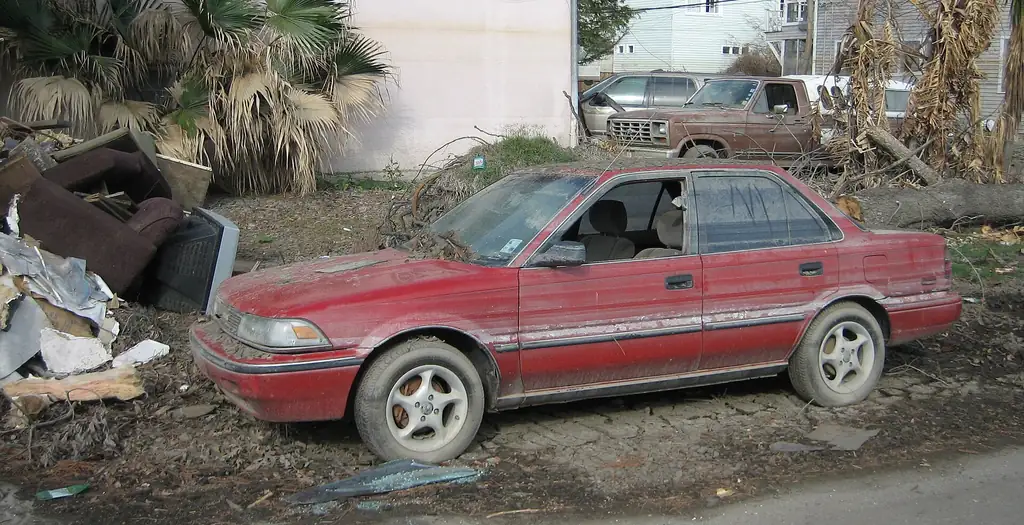
Definitions vary too. A vehicle that passed through a salvage yard may not carry a salvage brand in a state that doesn’t require one, and a flood designation in one state may not exist in another. An insurer’s total-loss label doesn’t always mean destruction: NMVTIS gives the example of a stolen car not recovered within 30 days, labeled a total loss and later found in good condition.
What Is Title Washing, and How Do You Spot It?
Title washing happens when a branded vehicle is retitled in a state that doesn’t check the vehicle’s previous titles, so the new paper title no longer shows the brand. NMVTIS exists largely to stop this: once a state brands a vehicle, the brand becomes a permanent part of its NMVTIS record and is available to every state (NMVTIS). Warning signs include a recent out-of-state title transfer, a price well below market, signs of water (silt, corrosion under seats, musty smell) or mismatched VIN labels.
- Compare the VIN on the dashboard, door label and title.
- Run NICB VINCheck and an NMVTIS report on the same VIN.
- Ask for the state title record if anything looks inconsistent.
- Have an independent mechanic inspect the car; neither database reports mechanical condition.
- Review crash history using the approach in our accident history check guide.
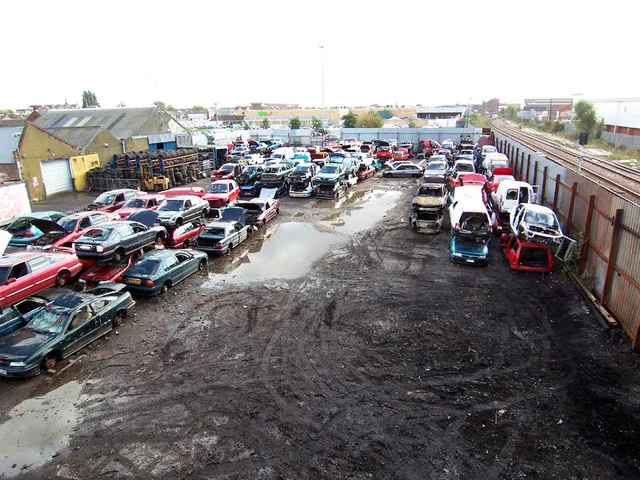
Should You Ever Buy a Rebuilt-Title Car?
It can be legal and sometimes sensible, but only with full information. Texas requires a rebuilt vehicle to pass safety and anti-theft inspections before it returns to the road (TxDMV), and California requires DMV or CHP verification and a vehicle safety systems inspection for revived salvage (California DMV). Those inspections confirm road-legal status, not repair quality. Get repair records, an independent inspection and an insurance quote, and confirm the coverage you can buy for a branded vehicle, before you commit.
Frequently Asked Questions
How can I check if a car has a salvage title for free?
NICB’s VINCheck is free and shows whether participating insurers reported the vehicle as stolen and not recovered or as a salvage or flood-damaged vehicle; it allows five searches per IP address per day. For state title brands, an NMVTIS report from an approved provider shows brand history, the latest odometer reading and insurance total-loss records; providers set their own prices.
What is the difference between salvage and rebuilt titles?
A salvage brand marks a vehicle that was damaged badly enough, often declared a total loss, that it cannot be registered as-is in many states. A rebuilt (or revived salvage) brand means it was repaired and passed the state’s inspections to return to the road. In Texas, for example, a salvage vehicle can’t be registered until it is rebuilt and titled ‘Rebuilt Salvage’.
Does every state brand flood-damaged cars?
No. NMVTIS notes that a vehicle flagged as flood in one state may have no such designation in another, because states don’t follow a uniform approach. NMVTIS keeps all reported brands so moving a car between states doesn’t wash them away.
Can a clean NMVTIS or VINCheck result be wrong?
Yes. NMVTIS warns that until all required entities report, a search may give a false negative such as ‘no junk or salvage history,’ and NICB says VINCheck covers only participating insurers’ records and is not a comprehensive history report.
Does a total-loss record mean the car was destroyed?
Not necessarily. NMVTIS explains that insurers may label a stolen vehicle that isn’t recovered within 30 days a total loss, and that the label stays even if the car is later recovered in good condition.
⚠️ Professional Notice:
Title-brand definitions vary by state; Texas and California are examples. Database coverage figures are as stated by NMVTIS and NICB in October 2026.
NextCarReview.com is not affiliated with NHTSA, NMVTIS, NICB or any vehicle history company and receives no compensation from them.
VIN & Vehicle History Guides
Decode any VIN free: NextCarReview VIN decoder. More in this series:
Data Sources and Verification

Morgan Reyes is the founder and editor-in-chief of NextCarReview, which Morgan launched in August 2024. A 2022 graduate of Columbia University, Morgan is based in New York and writes and edits the site’s reviews, comparisons and buying guides. Morgan does not road-test vehicles. Every article is built from published primary data: EPA FuelEconomy.gov ratings, NHTSA crash ratings, recalls and owner complaints, IIHS results, and manufacturer specifications and pricing, with each figure cited and checked before publication. Contact: admin@nextcarreview.com