

In this article 8 sections
Deciding on the 2026 Honda Civic sedan vs hatchback is the first big step toward owning one of the best cars on the road. Both of these cars look great and drive even better. But they serve very different needs for different types of drivers.
Choose the Sedan if: you commute daily, want the best MPG (up to 32/41 vs 30/38), prefer a quieter cabin, or love the classic sleek look. Choose the Hatchback if: you haul cargo frequently, need 24.5 vs 14.8 cubic feet, want the wide liftgate for bikes and strollers, or want one car that does everything. Both use the same 150-hp engine, and the hatchback Sport costs $1,100 more than the sedan Sport.
Figures cross-checked against EPA, NHTSA, IIHS and manufacturer sources. See our sourcing policy.
Deciding on the 2026 Honda Civic sedan vs hatchback is the first big step toward owning one of the best cars on the road. Both of these cars look great and drive even better. But they serve very different needs for different types of drivers.
Choosing the right body style changes how you use your car every day. The sedan looks classic and feels very solid on the highway. On the other hand, the hatchback is like a small SUV in disguise. It has a big rear door that makes loading groceries or bikes very simple.
We know that Civic sedan vs hatchback 2026 which to buy is a question on many minds. This year, Honda has made both cars more tech-heavy and comfortable. You get amazing safety features no matter which one you pick. However, the small details in “MPG” and “Cargo” might surprise you.
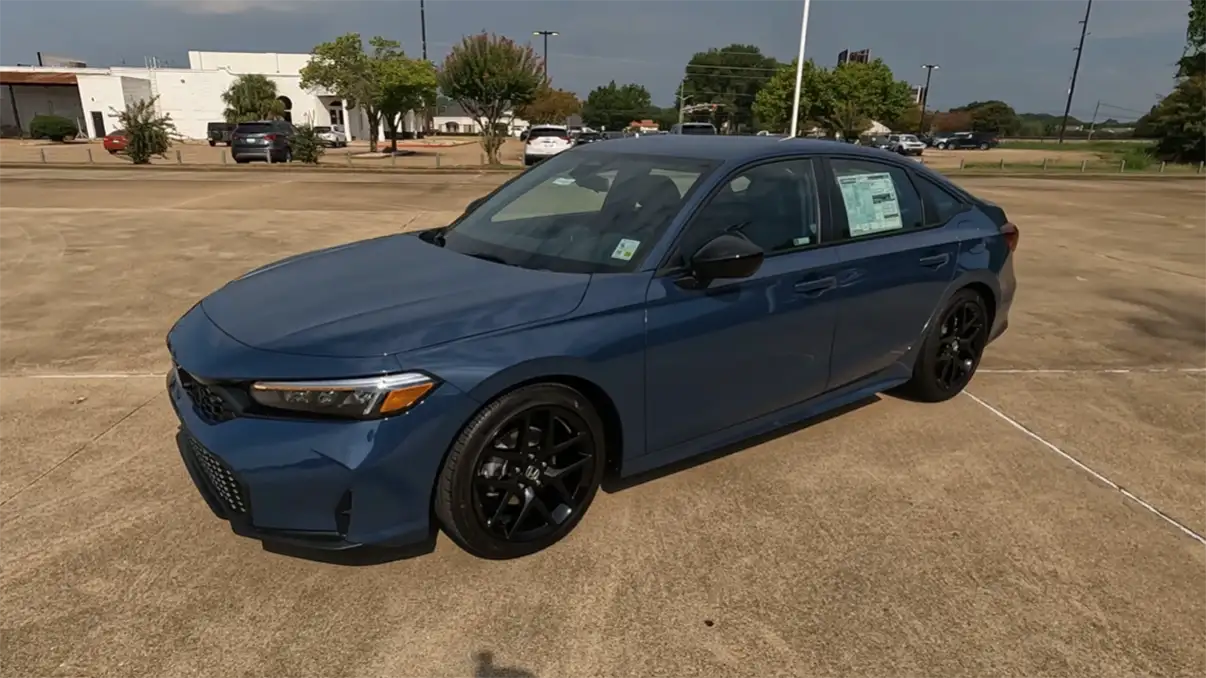
📌 2026 Honda Civic Sedan vs Hatchback – Quick Market Intelligence
Quick Spec Comparison: Sedan vs Hatchback
| Feature | 2026 Civic Sedan | 2026 Civic Hatchback |
|---|---|---|
| Engine | 2.0L 4-Cylinder (150 hp) | 2.0L 4-Cylinder (150 hp) |
| EPA MPG (City/Hwy) | 32 / 41 MPG | 30 / 38 MPG |
| Trunk/Cargo Space | 14.8 Cubic Feet | 24.5 Cubic Feet |
| Rear Opening | Standard Trunk Lid | Wide Liftgate |
| Overall Length | Slightly Longer | Slightly Shorter |
| Cabin noise | Quieter – trunk walled off | Slightly more road noise |
| City parking | Good | Slightly easier – shorter length |
| Price difference | From $24,695 (LX) | From $27,795 (Sport, $1,100 over Sport sedan) |
| Best For | Commuters, style, highway MPG | Cargo, versatility, families, students |
| Analysis | Sources: EPA FuelEconomy.gov, Honda pricing and specification releases. MSRPs exclude $1,195 destination. | |
MPG and Practicality Deep Dive
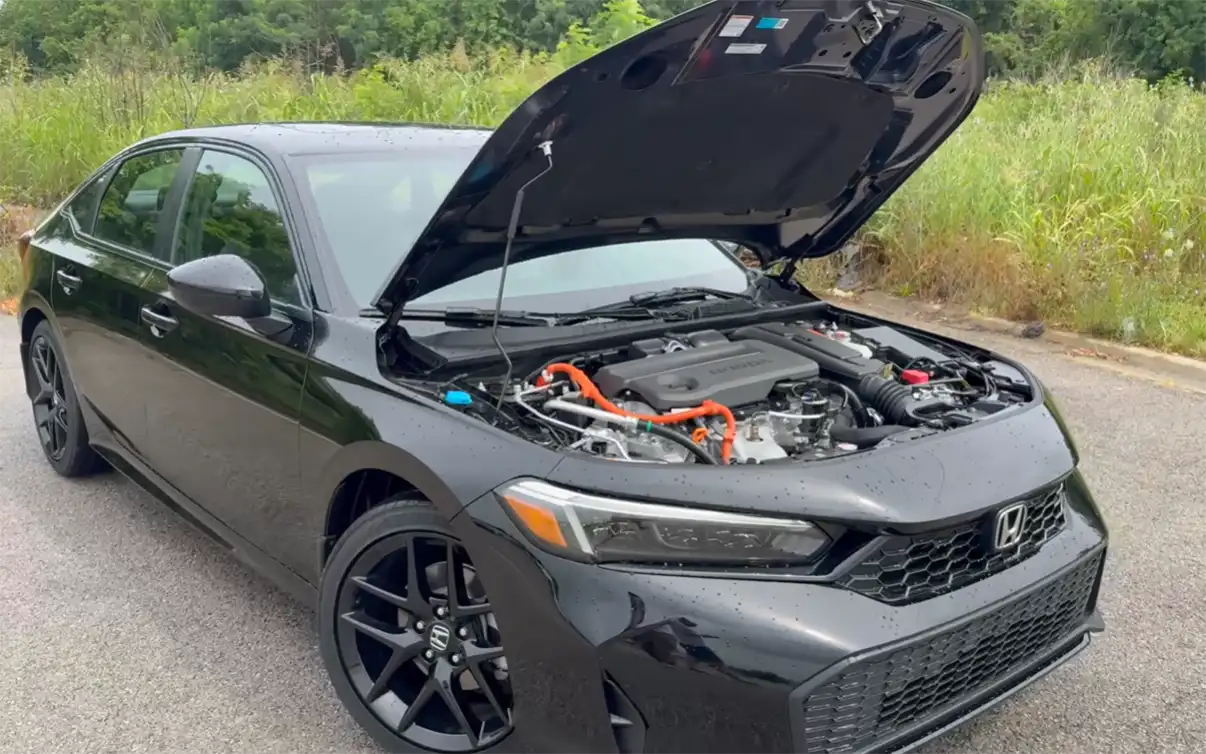
When you look at Civic MPG cargo comparison numbers, the sedan takes the lead in efficiency. It cuts through the wind more easily because of its shape. So, if you drive long distances on the highway, the sedan saves you more money at the pump. It is a true champion for daily commuting.
But practicality is about more than just gas. The 2026 Civic cargo space in the hatchback is much larger. You can fold the back seats down to fit a small desk or camping gear. That is why many people love the Civic hatchback versatility for weekend trips.
The sedan has a locked trunk which is very secure. No one can see what you have inside from the windows. But the hatchback allows you to stack items higher. The hatchback uses a bit more gas because of its boxy rear end.
| Metric | 2026 Civic Sedan | 2026 Civic Hatchback | Winner |
|---|---|---|---|
| City MPG (EPA) | 32 MPG | 30 MPG | Sedan (+2 MPG) |
| Highway MPG (EPA) | 41 MPG | 38 MPG | Sedan (+3 MPG) |
| Cargo space | 14.8 cubic feet | 24.5 cubic feet | Hatchback (+9.7 cu ft) |
| Cargo loading ease | Trunk lid – secure, hidden | Wide liftgate – stack tall items | Hatchback |
| Cargo security | Hidden trunk – items not visible | Visible through rear glass | Sedan |
| 5-year fuel use (15,000 mi/yr) | About 2,080 gal (LX, 36 MPG) | About 2,210 gal (34 MPG) | Sedan |
Figures are informational. Actual MPG varies with driving style, weather, and road conditions. EPA figures are produced under standardized test conditions. EPA ratings show the hatchback uses slightly more fuel. Source: EPA FuelEconomy.gov.
2026 Civic Sedan vs Hatchback Review: Driving Feel
How do they feel on the road? Many drivers find that the sedan is a bit quieter. The trunk area is walled off from the cabin, so you hear less road noise. It feels very refined and smooth when you are cruising at high speeds.
The hatchback feels a bit more sporty and fun. Because it is slightly shorter, it is easier to park in tight spots. In sedan vs hatchback commuting 2026 terms, the shorter hatchback is easier to place in city traffic. But you might hear a little more humming from the rear tires.
Both cars use the same engine and transmission. So, the power feels the same when you hit the gas pedal. But the way the air moves around the car changes the “vibe.” If you want a “mini-luxury” feel, go with the sedan. If you want a car that feels ready for an adventure, the hatch is for you.
Sedan: Quieter cabin (trunk walled off from passenger area), smoother highway cruising feel, “mini-luxury” refinement. Hatchback: Slightly more nimble in city traffic, easier to place in tight parking, sporty open feel, slightly more rear noise. Both use identical 2.0L 4-cylinder engine and transmission – power delivery is the same. The body style is what changes the experience, not the drivetrain.
Interior Comparison and Tech
The Civic interior comparison shows that both cars have beautiful cabins. Honda uses high-quality materials that feel soft to the touch. You get a big touchscreen and physical knobs for the air conditioning. We love that Honda kept the buttons simple to use while driving.
Inside the Honda Civic 2026 practicality shines through in the storage bins. There are plenty of spots for your phone, keys, and water bottles. The seats in both models are very supportive for long drives. However, the hatchback has a slightly different roofline in the back.
Honda lists identical rear headroom (37.1 inches) for both body styles. But the hatchback makes up for it with that open cargo area. You can reach into the back from the front seats if you need to grab a snack. It feels much more open and airy inside the hatch.
| Interior Feature | 2026 Civic Sedan | 2026 Civic Hatchback | Winner |
|---|---|---|---|
| Dashboard and materials | High-quality, soft-touch | Identical – same cabin quality | Tie |
| Touchscreen | Large, simple, intuitive | Identical setup | Tie |
| AC controls | Physical knobs – easy to use while driving | Identical | Tie |
| Rear headroom | 37.1 in | 37.1 in | Tie |
| Cabin openness feel | Segmented – trunk separate | Open and airy – cargo flows into cabin | Hatchback (feel) |
| Rear seat access to cargo | Small trunk opening only | Can reach from front seats easily | Hatchback |
| Storage bins | Ample phone, key, bottle storage | Identical | Tie |
Honda Civic Hatchback vs Sedan 2026: Which Costs More?
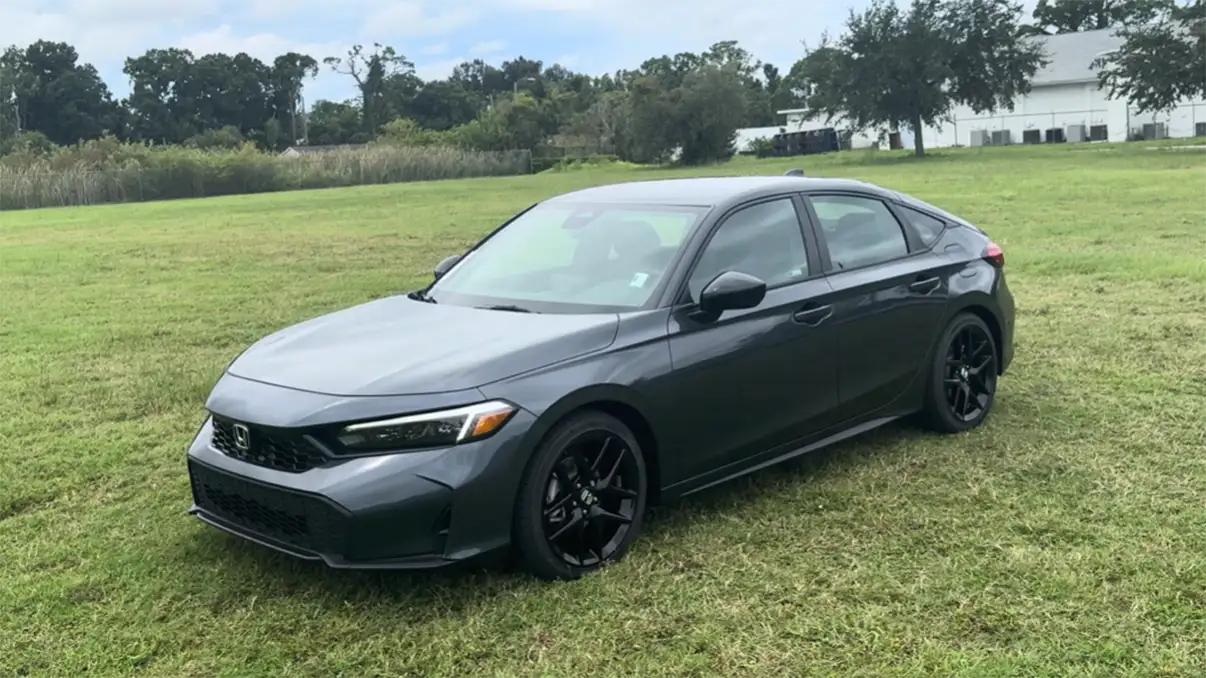
Price is always a big factor. Comparing Sport trims, the hatchback costs $1,100 more than the sedan ($27,795 vs $26,695 MSRP). The sedan also offers a cheaper LX trim at $24,695. Many buyers think the extra cost is worth it for the added space.
Also, consider Honda Civic reliability 2026 ratings. Both cars share the same mechanical parts. Parts are easy to find. This makes both versions a very smart financial choice for the long run.
If you are on a strict budget, the sedan is the winner. It has a lower starting price and better Civic sedan vs hatch MPG 2026 ratings. Over five years, an LX sedan uses roughly 120 fewer gallons of gas than the hatchback at 15,000 miles a year. But if you only want one car that can “do it all,” the hatchback is the better value.
Honda Civic models have a strong reputation in their segment. Both the sedan and hatchback use the same engine, transmission, and core mechanical architecture – so reliability is equally strong across both body styles. For a full compact and hybrid sedan reliability comparison including the Toyota Corolla Hybrid, see our best reliable sedan under $40,000 2026 ranked guide. For the hybrid alternatives to the non-hybrid Civic, see our 2026 Toyota Corolla Hybrid review and the full best hybrid sedans 2026 guide.
Best Civic Body Style 2026: The Winner by Use Case
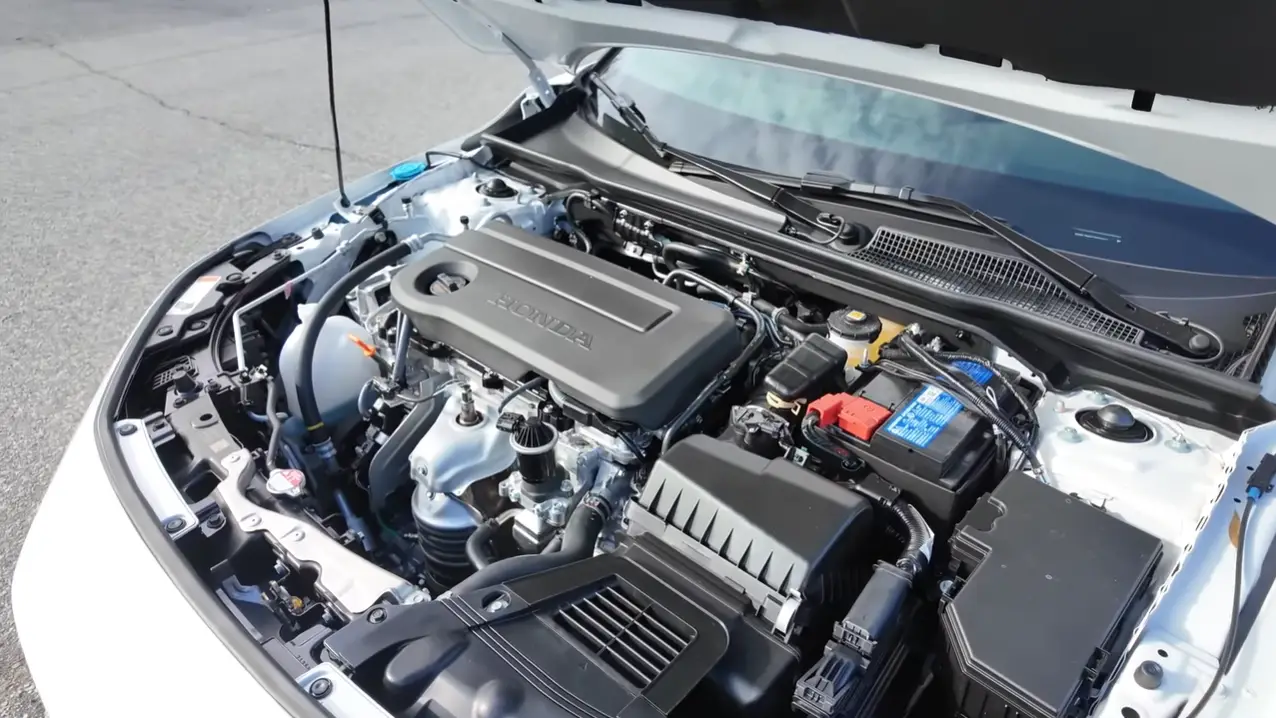
We think the best Civic body style 2026 depends on your lifestyle. Every driver is different. So, we broke it down into simple categories to help you decide.
| Driver Profile | Best Choice | Key Reason |
|---|---|---|
| The Commuter (40+ miles/day solo) | Sedan | Higher MPG and quiet cabin keep you comfortable and save money |
| The Small Family | Hatchback | Fits strollers and diaper bags far better than a traditional trunk |
| The Student | Hatchback | Perfect for dorm move-in, sports equipment, and awkward large items |
| The Style Seeker | Sedan | “Grown-up” sleek look that appears more expensive than it is |
| The Weekend Adventurer | Hatchback | Camping gear, bikes, and outdoor equipment load easily through liftgate |
| The Budget Buyer | Sedan | Lower starting price and better 5-year fuel savings at 32/41 MPG |
| One Car For Everything | Hatchback | $1,100 premium (Sport vs Sport) buys extra versatility in a car body |
For buyers considering hybrid alternatives that add fuel economy on top of similar practicality, our 2026 Toyota Camry Hybrid review and the 2026 Camry Hybrid vs Honda Accord Hybrid commuting test cover the best hybrid options in this price bracket. For the full new car landscape, see our best new cars to watch in 2026.
Choosing between the 2026 Honda Civic sedan vs hatchback comes down to your daily habits. If you love a sleek look and want to save every penny on gas, the sedan is perfect. It is a classic choice that never goes out of style. It feels like a high-end car without the high-end price tag.
But if you find yourself hauling boxes or outdoor gear, the hatchback is a lifesaver. The compact car comparison 2026 results show that the Civic Hatchback is a very useful small car, with 24.5 cubic feet of cargo space. It gives you the space of a crossover but the handling of a car.
In the end, you cannot go wrong with either. Both models come with Honda Sensing driver-assistance features. Visit your local dealer and sit in both. See how the trunk feels and how the visibility looks from the driver’s seat.
Pick by profile: Commuters and budget buyers – Sedan. Families, students, and haulers – Hatchback. For a full view of the hybrid sedan market alongside these options, see our best hybrid sedans 2026 guide.
2026 Honda Civic Sedan vs Hatchback FAQ
Is the hatchback louder than the sedan?
Which one is easier to park?
Does the sedan have folding seats?
Is the 2026 Civic reliable?
Related guides: our vehicle comparison guides and Subaru Outback vs Toyota Crown Signia: Full Wagon Comparison and Ve….
⚠️ Professional Notice:
All MSRP and price difference figures are from Honda pricing releases, exclude the $1,195 destination charge, and are subject to change. Confirm current pricing with your local Honda dealer before purchase. EPA fuel economy figures are produced under standardized test conditions – actual MPG varies with driving style, speed, weather, terrain, and load. Cargo volume measurements from Honda OEM specifications.
Reliability depends on maintenance and use and is not guaranteed for individual vehicles. Safety ratings from IIHS.org and NHTSA.gov were current as of April 2026 – verify your specific trim before purchase. NextCarReview.com does not receive compensation from any manufacturer in exchange for rankings or editorial coverage.
Data Sources and Verification
- EPA FuelEconomy.gov – Official city and highway MPG ratings for 2026 Honda Civic Sedan (32/41) and Civic Hatchback (30/38)
- IIHS.org – Safety ratings and Top Safety Pick designation
- NHTSA.gov/ratings – 5-Star Safety Ratings
- Honda: 2026 Civic Sedan pricing, Hatchback pricing, Sedan specs and Hatchback specs – MSRP, cargo volume (14.8 vs 24.5 cu ft), 150-hp 2.0L engine, headroom
- Specifications compared using manufacturer and EPA data

Morgan Reyes is the founder and editor-in-chief of NextCarReview, which Morgan launched in August 2024. A 2022 graduate of Columbia University, Morgan is based in New York and writes and edits the site’s reviews, comparisons and buying guides. Morgan does not road-test vehicles. Every article is built from published primary data: EPA FuelEconomy.gov ratings, NHTSA crash ratings, recalls and owner complaints, IIHS results, and manufacturer specifications and pricing, with each figure cited and checked before publication. Contact: admin@nextcarreview.com

Fantastic Article