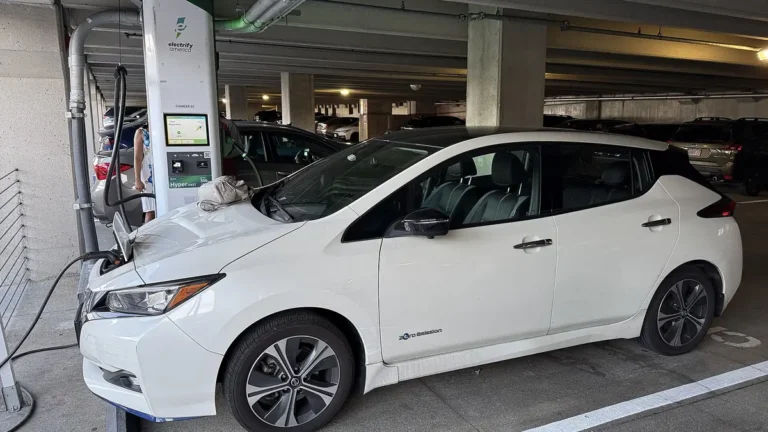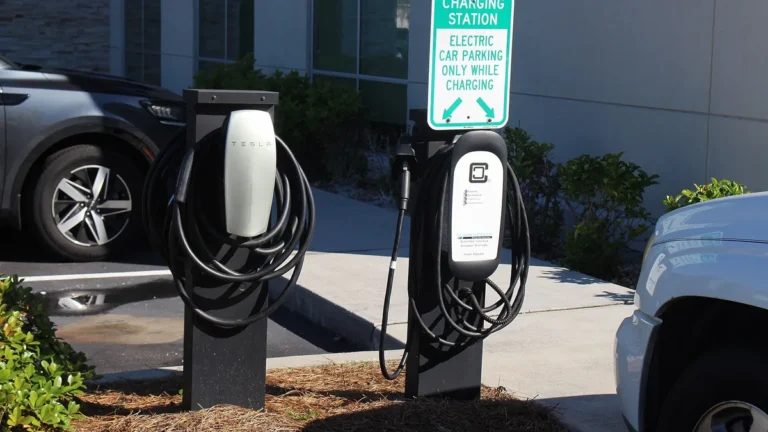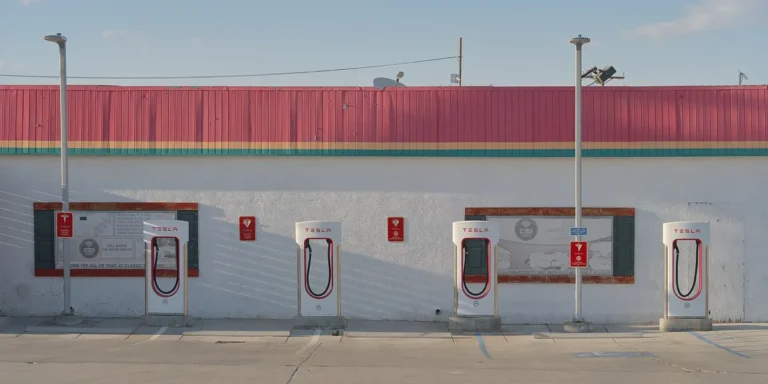
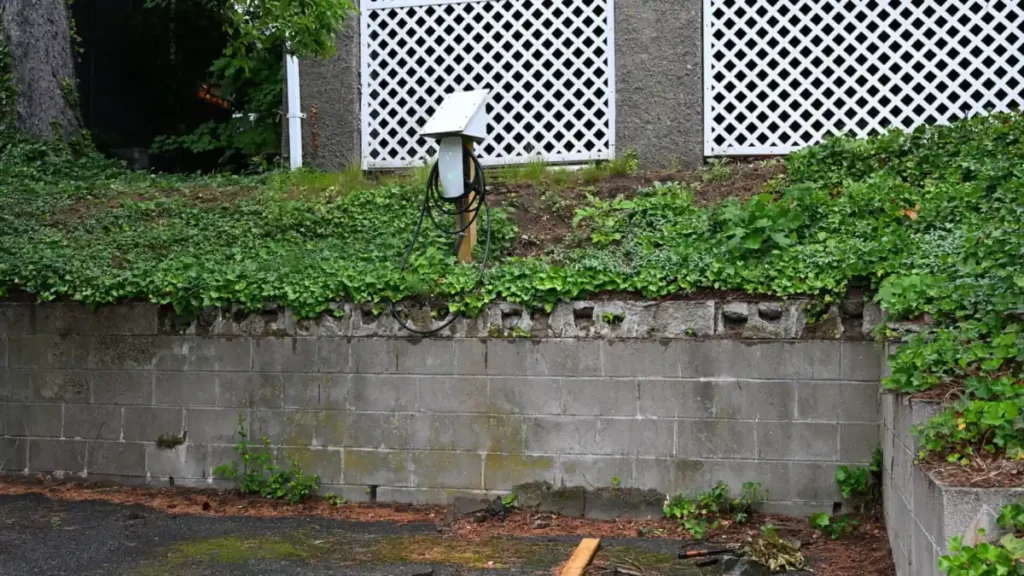
Cost aggregators put a typical home Level 2 installation at about $967 on average (HomeAdvisor) to $1,200 on average (Fixr). Fixr’s figures are installed prices that include equipment, so check whether a quote covers the charger itself, which lists for roughly $300 to $600 from major brands. Permits add about $100 to $200.
The big variable is your electrical service. DOE notes many homes have 100-amp service while a Level 2 charger can draw 30 to 80 amps continuously. If a load calculation shows you are short, a 200-amp service upgrade can run $1,800 to $4,500 per Fixr. A licensed electrician and a permit are not optional extras.
Installation guidance comes from the DOE Alternative Fuels Data Center, DOE’s EVSE handbook for electrical contractors and manufacturer installation manuals. Cost ranges are aggregator estimates from HomeAdvisor and Fixr, labeled as such. NextCarReview does not test chargers or vehicles for this guide; see our sourcing policy.
A Level 2 charger is the single most useful upgrade for most EV owners. It turns your garage or driveway into the place you “fill up,” usually overnight and at residential electricity rates. Getting there means a 240V circuit, often a permit, and sometimes more electrical capacity than your home has today.
This guide walks through what installation costs, what drives the price, and what the process looks like, using DOE guidance, manufacturer manuals and published aggregator data. For charger types in general, see our guide to electric vehicle charging stations, or start with Level 2 charging explained.
Home EV Charger Installation Cost Breakdown
| Cost item | Typical range | Source |
|---|---|---|
| Charger unit | About $300 to $600 | Manufacturer list prices (Grizzl-E Classic $299.99, Emporia Classic $449, Autel MaxiCharger Home $599) |
| Installation | $967 average; most jobs $554 to $1,380; extremes $300 to $2,500 | HomeAdvisor (updated June 2026) |
| Installation | $1,200 average; typical $1,000 to $2,500; labor $420 to $800 | Fixr (updated January 2025) |
| Permit | $100 to $200 | HomeAdvisor |
| Service upgrade to 200 amps (if needed) | $1,800 to $4,500; $3,000 average | Fixr |
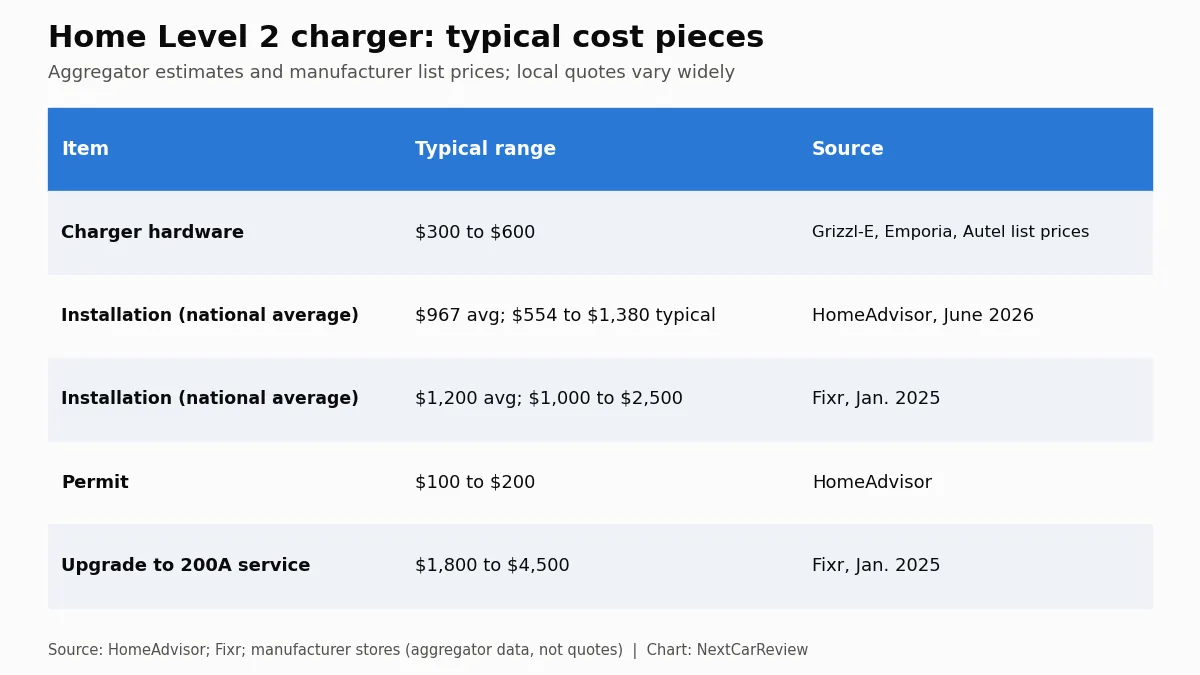
Treat these as starting points. Aggregator figures are national averages built from contractor and customer data, not quotes for your home. Getting two or three written estimates from licensed electricians is the only way to know your number.
What Determines Your Installation Cost
Distance from your electrical panel
The farther the charger is from the panel, the more wire and conduit the job needs, and heavy-gauge copper for a 50- or 60-amp circuit is not cheap. A charger on the garage wall next to the panel is the simple case. A detached garage, a run across a finished basement, or trenching to a driveway post adds labor and material.
Whether your panel has open capacity
This is where many people get surprised. DOE’s handbook for electrical contractors notes that many homes have 100-amp service and that Level 2 equipment can draw 30 to 80 amps as a continuous load. It adds that even a home with 200-amp service may not have adequate capacity, and that an open slot in the panel is not an indication of adequate service. An electrician answers the question with a load calculation, not a glance at the breaker box.
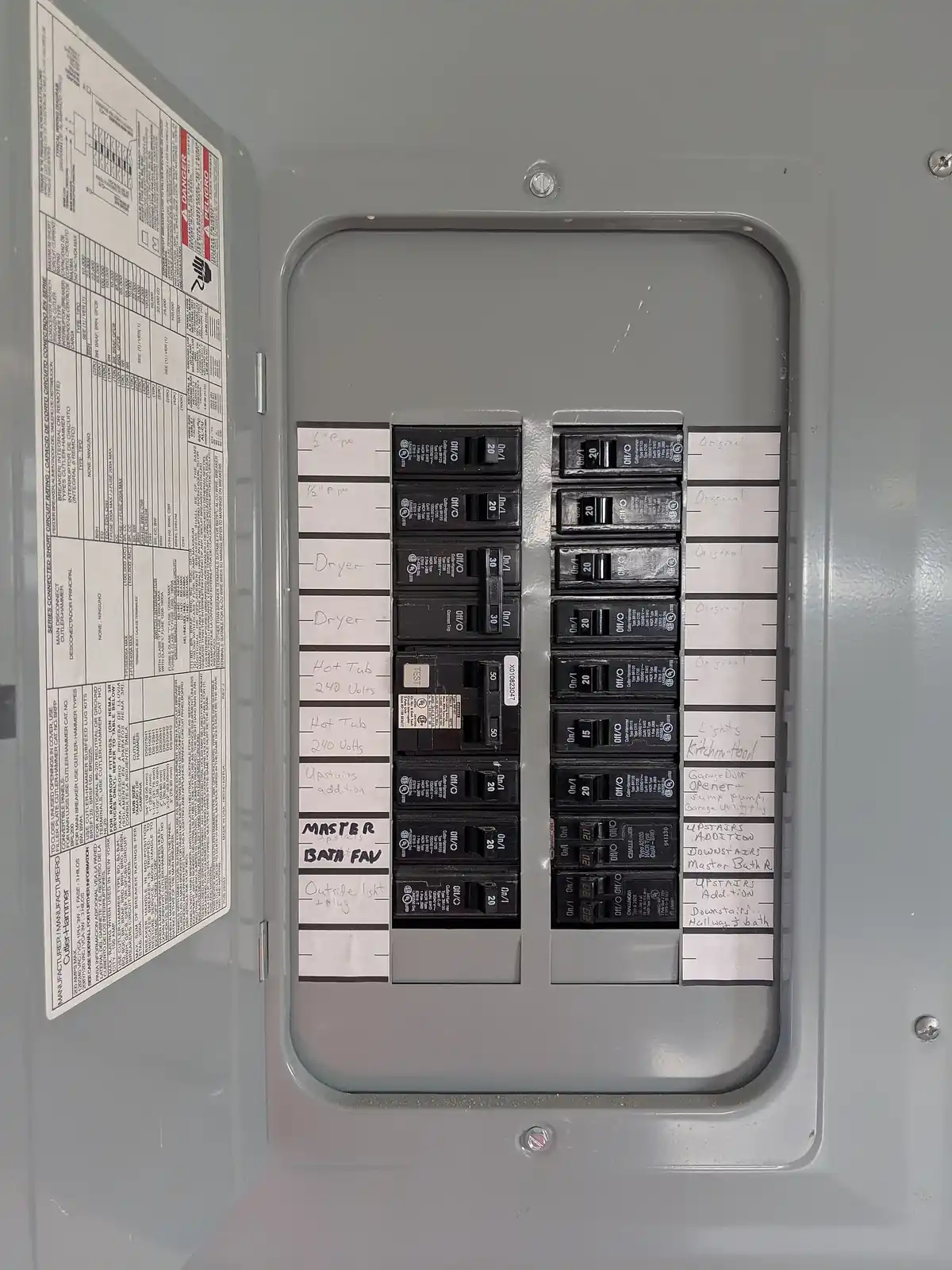
Whether you need a full panel upgrade (100A vs 200A service)
If the load calculation comes up short, you have three paths: a lower-amperage charger, a charger with load management, or a service upgrade. Fixr puts an upgrade to 200-amp service at $1,800 to $4,500, averaging $3,000, and it may involve your utility. Load management is worth asking about first: Tesla’s Wall Connector manual says the unit’s load management lets maximum output be set to match an existing power supply.
The Installation Process Step by Step
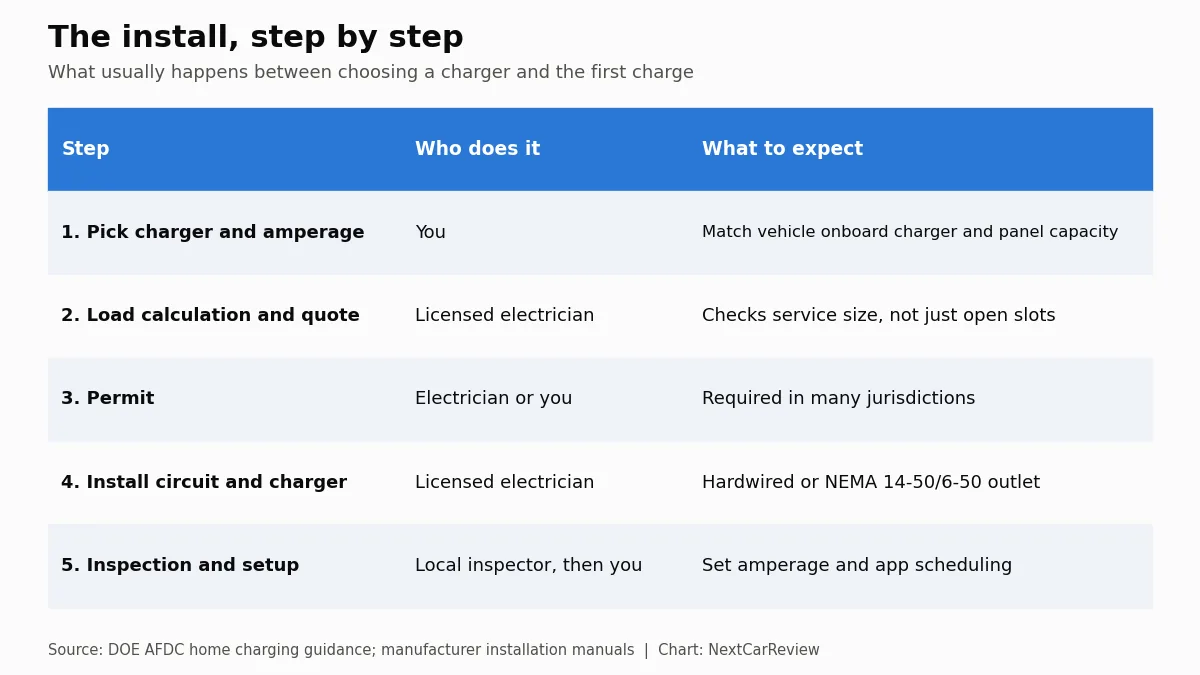
Step 1: Choose your charger (amperage and kW output)
Match the charger to your car and your panel, not the biggest number on the box. Your car’s onboard charger caps AC speed: a 2026 Nissan Leaf accepts 7.2 kW, while the 2026 Toyota C-HR and Ford Mustang Mach-E accept 11 kW. Decide between hardwired and plug-in: ChargePoint rates its Home Flex at up to 50 amps hardwired but up to 40 amps on a NEMA 14-50 or 6-50 plug. Our guide to the best Level 2 home chargers compares popular models on published specs.
Step 2: Get a permit
DOE says appropriate permits may be required from local building and permitting authorities. In most places, adding a 240V circuit is permit work. Your electrician usually pulls it; HomeAdvisor estimates $100 to $200.
Step 3: Hire a licensed electrician
Ask for a load calculation, the breaker size and wire gauge they plan to use, whether the quote includes the permit and inspection, and how long the work will take. Confirm the charger carries a safety listing from a nationally recognized lab such as UL or ETL. DOE also recommends ENERGY STAR certified equipment.
Step 4: Inspection and final hookup
After the inspector signs off, you set the charger’s amperage to match the circuit, connect it to Wi-Fi if it has an app, and set a charging schedule if your utility offers off-peak rates.
Do You Actually Need an Electrician?
For a 240V circuit, yes. This is not a project where DIY saves money in any meaningful sense. A Level 2 charger pulls high current for hours at a time, which is exactly the kind of load where an undersized wire, a loose lug or the wrong breaker causes heat damage. DOE notes that EV charging equipment is treated as a continuous load under the National Electrical Code, and that NEC Article 625 contains most of the requirements that apply to it.
There are practical reasons too. Unpermitted electrical work can cause headaches with insurance or a future home sale, and the permit inspection gives you a second set of eyes on a high-power circuit.
If you can’t install a home charger: renters, condo owners and street parkers have other options, from workplace charging to state right-to-charge laws. See our guide on what to do if you can’t install a home charger.
Amperage and Circuit Requirements Explained
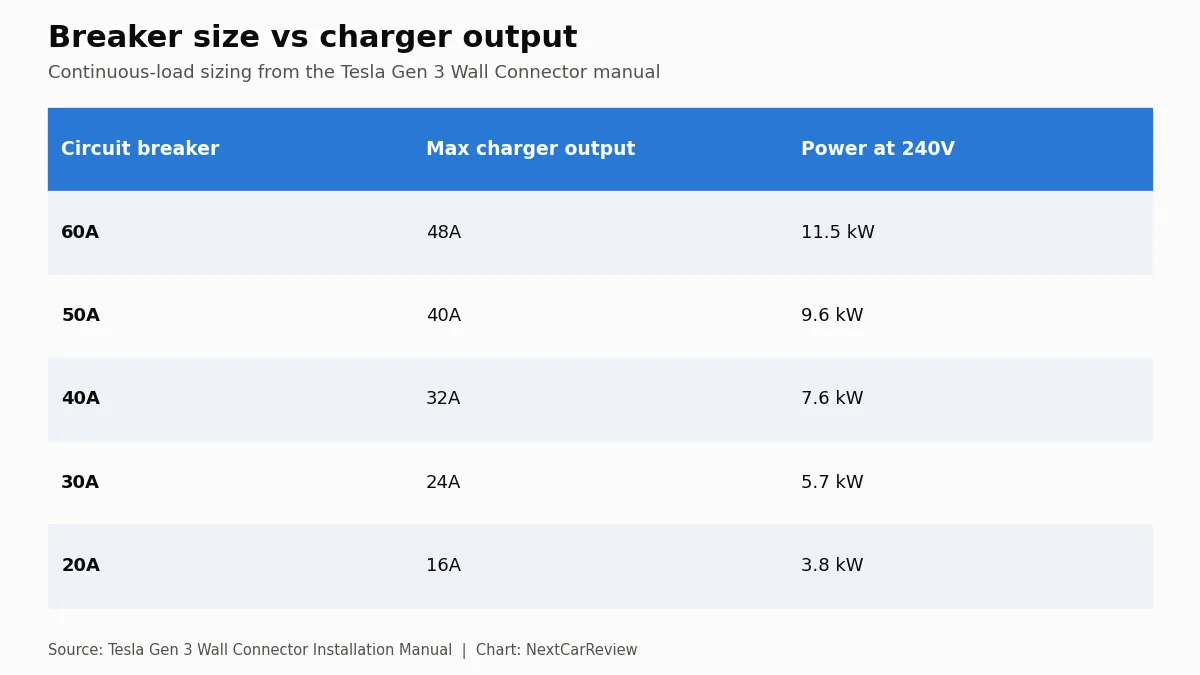
Because charging is a continuous load, the circuit is sized larger than the charger’s output. Tesla’s Gen 3 Wall Connector manual gives a clear example of how that works in practice:
| Circuit breaker | Maximum charger output | Power at 240V |
|---|---|---|
| 60 amps | 48 amps | 11.5 kW |
| 50 amps | 40 amps | 9.6 kW |
| 40 amps | 32 amps | 7.6 kW |
| 30 amps | 24 amps | 5.7 kW |
| 20 amps | 16 amps | 3.8 kW |
Two more code points come up often. First, receptacles installed for EV charging require ground-fault protection under NEC section 625.54. Second, some chargers include their own protection: Tesla says the Wall Connector has integrated ground-fault protection (CCID20), while ChargePoint says the Home Flex already has built-in CCID protection, warns that adding a GFCI breaker to a plug-in installation can cause nuisance tripping, and recommends hardwiring where code requires a GFCI breaker. Your electrician will follow the manual for the unit you choose.
On cost, home charging pays you back over time compared with public charging. Our home vs public charging cost comparison runs the numbers. On incentives, note that the federal EV charger tax credit status changed: Section 30C is not allowed for chargers placed in service after June 30, 2026.
EV Charging Guide Series
Start with the main guide: choosing and using EV charging stations. More in this series:
Frequently Asked Questions
How much does it cost to install a Level 2 EV charger at home?
HomeAdvisor reports an average of $967, with most projects between $554 and $1,380 and extremes from about $300 to $2,500. Fixr reports a $1,200 national average and a typical $1,000 to $2,500 range. Fixr’s figures are installed prices that include equipment, so check whether a quote covers the charger itself (roughly $300 to $600 at manufacturer list prices) and permits.
Do I need an electrician to install an EV charger?
For a new 240V circuit or a hardwired charger, yes. DOE advises having a qualified electrician confirm your home has enough electrical capacity, and charging equipment must be installed to National Electrical Code Article 625 and local code. Many jurisdictions also require a permit and inspection.
What size breaker do I need for a home EV charger?
EV charging is treated as a continuous load, so the circuit is sized above the charger’s output. Tesla’s Gen 3 Wall Connector manual, for example, pairs a 60-amp breaker with 48 amps of output, a 50-amp breaker with 40 amps, and a 40-amp breaker with 32 amps.
Will I need to upgrade my electrical panel?
Maybe. DOE notes many homes have 100-amp service and that even 200-amp service may not have enough spare capacity; an open slot in the panel does not mean the service can support the load. An electrician’s load calculation decides. Chargers with load management can sometimes avoid an upgrade.
Is a plug-in or hardwired charger better?
Hardwired units can usually deliver more power. ChargePoint, for example, rates the Home Flex at up to 50 amps hardwired versus up to 40 amps on a NEMA 14-50 or 6-50 plug. Plug-in units are easier to move. Either way, the circuit and outlet must be installed to code.
Do I need a permit to install an EV charger?
Often, yes. DOE says appropriate permits may be required from local building and permitting authorities. HomeAdvisor estimates permit fees of $100 to $200. Skipping the permit can complicate insurance claims and home sales.
⚠️ Professional Notice:
This article is general guidance compiled from DOE publications, manufacturer manuals and cost aggregators. It is not electrical, legal or code advice. Electrical codes are adopted and amended locally. Always hire a licensed electrician, follow the charger maker’s installation manual, and obtain required permits and inspections.
Cost figures are national averages and ranges published by HomeAdvisor and Fixr, not quotes. Local labor rates, wire runs and panel condition can push costs well outside those ranges. NextCarReview did not install or price any chargers for this guide.
Data Sources and Verification
- DOE AFDC: Charging Electric Vehicles at Home
- DOE: Plug-In Electric Vehicle Handbook for Electrical Contractors (PDF)
- Tesla Gen 3 Wall Connector installation manual (PDF)
- ChargePoint Home Flex installation and amperage options
- ChargePoint Home Flex product page
- NFPA 70 (NEC) proposed TIA 1892, showing section 625.54 GFCI text (PDF)
- HomeAdvisor: Cost to install an EV charging station (aggregator data, June 2026)
- Fixr: Home EV charging station cost (aggregator data)
- Fixr: Electrical panel upgrade cost (aggregator data)
- Grizzl-E, Emporia and Autel manufacturer store pages (charger list prices)
Figures were checked against the sources above in late September and early October 2026. Prices, laws and network data change; verify before you rely on them.

Morgan Reyes is the founder and editor-in-chief of NextCarReview, which Morgan launched in August 2024. A 2022 graduate of Columbia University, Morgan is based in New York and writes and edits the site’s reviews, comparisons and buying guides. Morgan does not road-test vehicles. Every article is built from published primary data: EPA FuelEconomy.gov ratings, NHTSA crash ratings, recalls and owner complaints, IIHS results, and manufacturer specifications and pricing, with each figure cited and checked before publication. Contact: admin@nextcarreview.com