In this article 11 sections
Update, October 2026: The $7,500 federal clean vehicle tax credit (and the $4,000 used-EV credit) ended for vehicles acquired after September 30, 2025, under the One Big Beautiful Bill Act. No new EV bought today qualifies. Any older mention of the federal credit on this page is historical. Check your state’s rebates at AFDC.energy.gov and see the federal EV tax credit ended for details.
Comparing current models? Model figures on this page are 2025 EPA ratings. For current rankings, see Best Electric & Hybrid Cars 2026 — Tax Credits, EPA Range & US Pricing.
Plug-in hybrids sit between gas cars and EVs. This guide explains their environmental impact using EPA and Department of Energy data, compares leading models by EPA electric range, and covers costs, reliability and buying tips.
Plug-in hybrids mix electric power with gas engines, so they can cut fuel use without range worries. This guide looks at how much they reduce emissions and compares the best plug-in hybrid cars by EPA figures.
It also covers common buyer concerns.
Why Plug-In Hybrids Are Popular
EV charging stations aren’t everywhere yet. Therefore, plug-in hybrids offer a practical middle ground. They run on electricity for short trips. Then, they switch to gas for longer journeys. As a result, drivers avoid range anxiety.
In the U.S., sales are booming. Specifically, hybrid and plug-in hybrid sales set records in 2024. Toyota leads with reliable models like the Prius Prime.
Similarly, Honda and Hyundai compete strongly. Luxury brands like Mercedes and BMW offer premium options. A federal credit of up to $7,500 once applied to some models, but it ended for vehicles acquired after September 30, 2025.
Outside the US, strict emissions rules in Europe have also pushed plug-in hybrid adoption.
Why choose plug-in hybrids? First, they cut fuel costs significantly. Second, they reduce emissions. Third, they offer unmatched flexibility. In other words, they suit diverse lifestyles. To clarify, hybrids excel in city driving. Plug-ins handle highways too. However, EVs require reliable chargers.
As a result, plug-in hybrids appeal to many. For example, families love the range. Commuters save on daily drives. Some models now exceed 50 miles of EPA-rated electric range. Likewise, charging times are shorter. As a result, their popularity keeps growing.
On the other hand, challenges exist. Upfront costs are higher than gas cars. State and utility incentives can help offset this. Long-term savings add up quickly. Above all, environmental benefits matter. Thus, plug-in hybrids align with green goals. In short, they balance practicality and lower emissions.
How Green Are Plug-In Hybrids? Emissions Explained
According to the EPA, burning one gallon of gasoline creates about 8,887 grams (about 20 pounds) of tailpipe CO2. A typical passenger vehicle, averaging about 22.2 mpg over 11,500 miles a year, emits about 4.6 metric tons of CO2 per year.
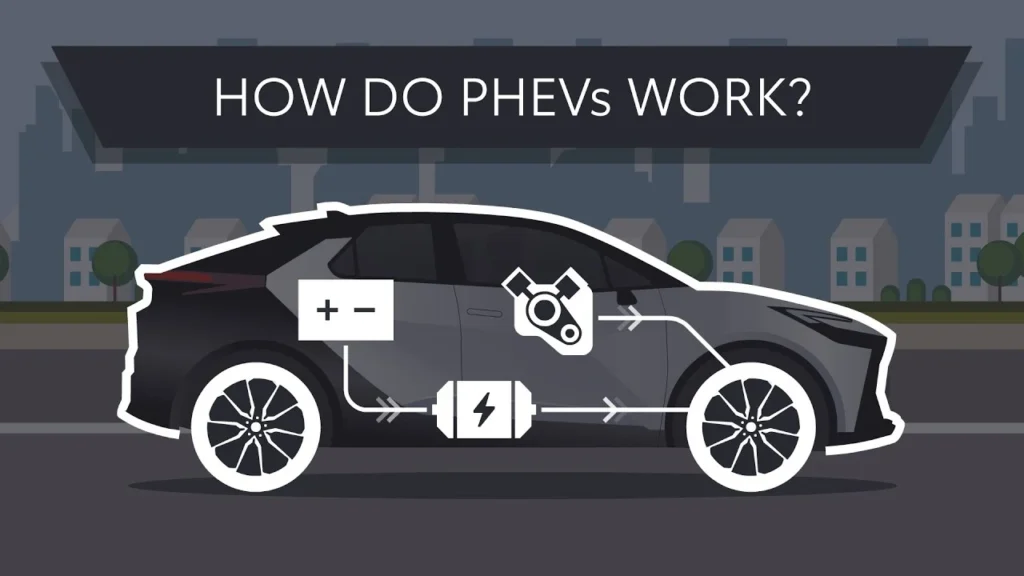
The Department of Energy’s Alternative Fuels Data Center (AFDC) explains that plug-in hybrids produce zero tailpipe emissions when running only on electricity, and that their direct emissions are typically lower than those of comparable conventional vehicles when the engine runs. Electricity generation still creates upstream emissions, so the overall benefit is largest where the grid uses low-polluting sources.
Tailpipe, well-to-wheel and life-cycle emissions
- Tailpipe: what comes out of the exhaust. Zero for a plug-in hybrid in electric mode.
- Well-to-wheel: adds emissions from producing and delivering gasoline or generating electricity.
- Cradle-to-grave (life cycle): also counts building the vehicle and battery and disposal or recycling.
Why charging habits matter
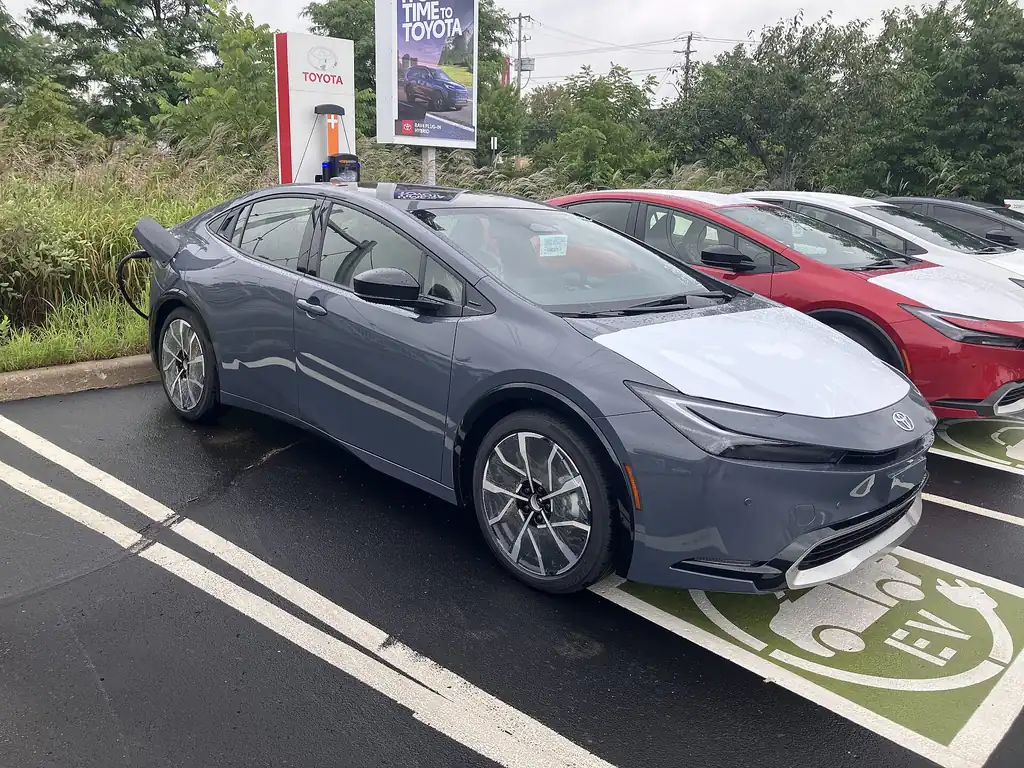
A plug-in hybrid’s real impact depends on how much of your driving is electric. Using EPA figures as an example, a Prius Prime SE driven 11,500 miles a year purely in hybrid mode at 52 mpg would burn about 220 gallons, roughly 2 metric tons of tailpipe CO2, compared with about 4.6 tons for the typical vehicle. Every mile driven on charge within its electric range removes tailpipe emissions entirely, so drivers who plug in daily see the biggest reductions.
Find your local electricity mix and charging options at the AFDC.
Best Hybrid and Plug-In Hybrid Cars (2025 EPA Data)
These models balance efficiency, power and value, using 2025 EPA ratings. Firstly, the Toyota Prius Prime leads as one of the best plug-in hybrid cars 2025 offers. The SE has an EPA-rated electric range of up to 45 miles and 127 MPGe. Starting at $33,375 (SE, before destination), it’s budget-friendly. Its reliability is top-notch. Toyota’s 10-year/150,000-mile hybrid battery warranty adds confidence.
Next, the Hyundai Tucson Hybrid offers great value. Its 1.6L turbo and electric motor deliver 231 horsepower. Fuel economy hits an EPA-rated 38 MPG combined (Blue trim). Priced from about $35,000, it includes tech like wireless charging. However, it’s not a plug-in. Still, it shines as a hybrid option.
Similarly, the Honda CR-V Hybrid suits families. It provides 204 horsepower and 40 MPG. Starting at $34,650 (Sport FWD), it offers AWD options. Its 76.5 cubic feet of maximum cargo space impresses. Safety features like adaptive cruise enhance its appeal.
Ford Escape Plug-In Hybrid brings versatility. Its 37-mile EPA electric range comes with 101 MPGe. Priced at $39,895, it charges in about 3.5 hours on a 240V outlet, per Ford. As a result, it fits mixed driving needs perfectly.
Kia Sorento PHEV is ideal for larger groups. It seats six or seven with an EPA-rated 30-mile electric range. With 261 horsepower, it’s powerful. Starting at $47,990, it includes AWD and a 12.3-inch touchscreen. As a result, it’s a family favorite.
Finally, Mercedes-Benz GLC 350e delivers luxury. Its 54-mile range and 313 horsepower stand out. Priced at $61,050, it offers a premium interior. It suits upscale buyers.
Here’s a comparison table:
| Model | Starting Price | Electric Range (miles) | MPG/MPGe | Charging Time (240V) |
| Toyota Prius Prime | $33,375 | 45 (SE) | 127 MPGe | 4 hours |
| Hyundai Tucson Hybrid | About $35,000 | N/A | 38 MPG | N/A |
| Honda CR-V Hybrid | $34,650 | N/A | 40 MPG | N/A |
| Ford Escape PHEV | $39,895 | 37 | 101 MPGe | 3.5 hours |
| Kia Sorento PHEV | $47,990 | 30 | 74 MPGe | 3.5 hours |
| Mercedes GLC 350e | $61,050* | 54 | 64 MPGe | 2.5 hours |
Range and MPGe are EPA figures for the 2025 model year. *Mercedes price includes destination; others are approximate launch base MSRPs before destination, taken from pricing guides rather than manufacturer price sheets. Confirm current pricing with a dealer.
Best Affordable Hybrid Cars Under $30K–$40K
Budget matters to many buyers. Thus, affordable hybrids shine brightly. Firstly, the Toyota Corolla Hybrid starts at about $24,000. It gets up to 50 MPG combined (EPA). Toyota has a strong reliability reputation. Features like adaptive cruise add value.
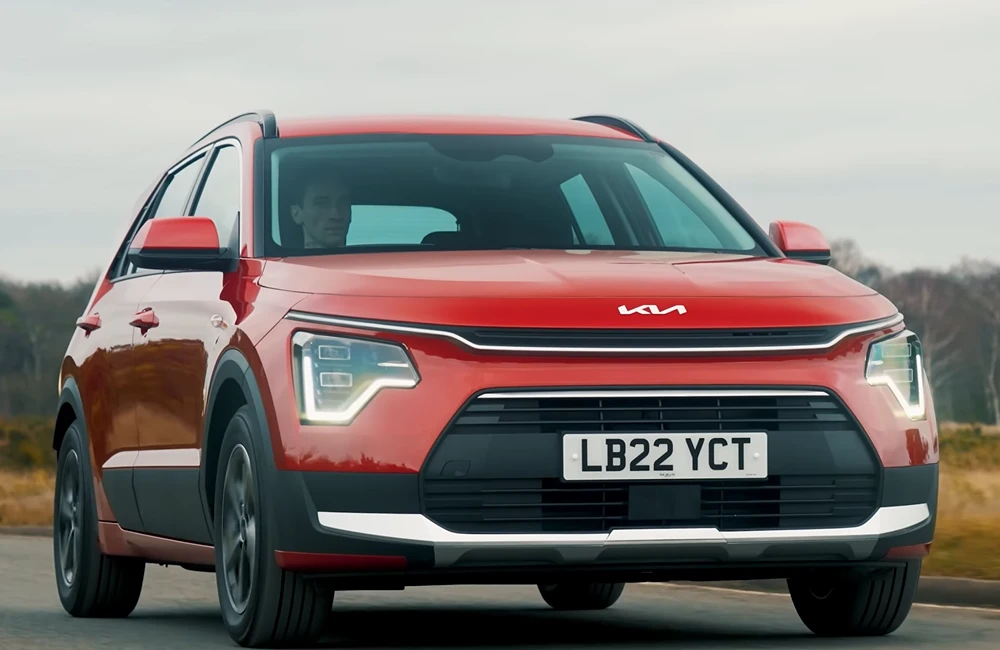
Next, Kia Niro Hybrid costs $26,990. It delivers up to 53 MPG combined (FE trim, EPA) and roomy seating. Its 10-year warranty reassures buyers. Specifically, it covers powertrain issues, giving peace of mind.
Hyundai Elantra Hybrid Blue is priced from about $25,500 before destination. It achieves an EPA-rated 54 MPG combined. Tech like wireless Apple CarPlay boosts appeal. As a result, it’s a smart choice for budget-conscious drivers.
These models save on gas and upfront costs. However, check for local incentives. As a result, savings grow significantly. They are efficient without a plug and cost less up front.
Best Plug-In Hybrid SUVs
SUVs need space and power. Thus, plug-in hybrid SUVs excel. First, Kia Sorento PHEV seats seven. Its 30-mile EPA range fits families. Priced at $47,990, it offers AWD for versatility.
Similarly, the Toyota RAV4 Plug-in Hybrid (formerly RAV4 Prime) delivers a 42-mile EPA electric range. With 302 horsepower, it’s fast. Starts at $43,865 (SE, before destination). As a result, it’s a top pick for performance.
Jeep Wrangler 4xe tackles off-road adventures. It gets 49 MPGe. Priced from about $50,700, it’s rugged and capable, though EPA rates its electric range at only 22 miles. Thus, it suits thrill-seekers.
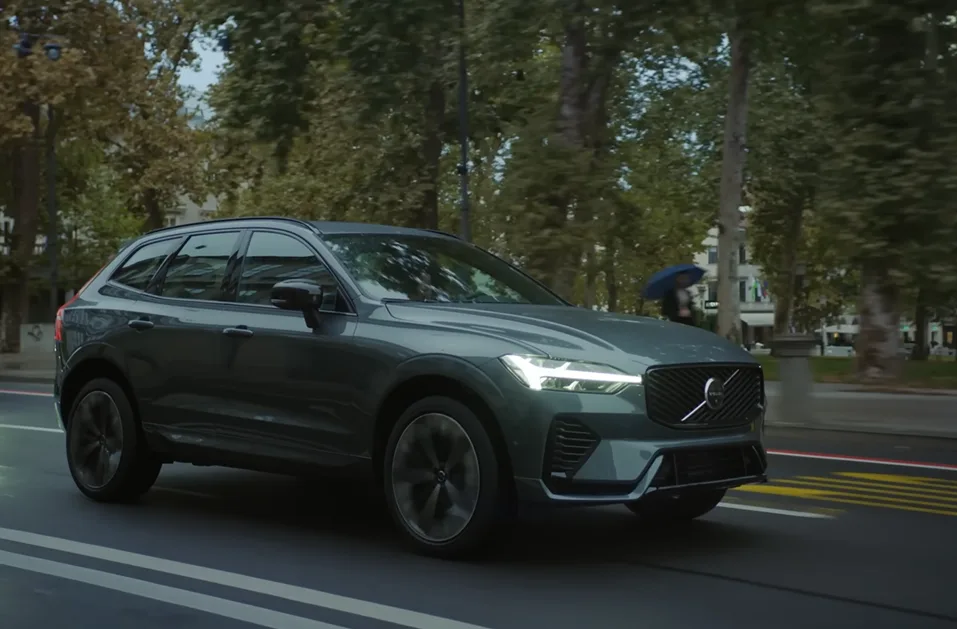
Finally, the Volvo XC60 plug-in hybrid (T8, formerly Recharge) is premium. Its 36-mile EPA range and 455 horsepower impress. Starts near $58,000. These SUVs blend utility with efficiency.
Read More → Best Lease Deals of 2025: Cars, SUVs & EVs
Hybrid vs Plug-In Hybrid vs EV (Which One is Right for You?)
Hybrids combine gas and electric power. They don’t need plugging in. As a result, they suit city driving with 40-50 MPG. For example, they require no chargers, simplifying use.
Plug-in hybrids add charging options. They offer about 20-55 miles electric-only. As a result, they fit commuters well. Gas backup aids longer trips. Thus, they’re highly versatile.
EVs run fully electric. Ranges reach 300+ miles. They need home chargers. Therefore, they suit urban drivers with access to charging.
Which is best? Hybrids for simplicity. Plug-ins for mixed driving. EVs for zero emissions. To clarify, match your driving habits. Specifically, short trips favor plug-ins. Long trips favor hybrids. Incentives vary by type and state. The federal EV credit ended for vehicles acquired after September 30, 2025.
Toyota Prius vs Tesla? Prius offers reliability and affordability. Tesla brings cutting-edge tech and speed. Thus, choose based on priorities.
Read More → Best Electric Vehicles of 2025: Buyer’s Guide
Buying Guide: What to Know Before Buying a Hybrid or Plug-In
First, test drive models. Feel the switch between electric and gas modes. Maintenance? Hybrid batteries are typically warrantied for at least 8 years/100,000 miles. To clarify, avoid extreme heat to protect batteries. Regenerative brakes reduce wear.
Buying used? Check battery health and remaining battery warranty carefully. For road trips, hybrids shine with gas backup. Resale values vary by model, so compare current listings.
Tips: Charge plug-ins daily for max savings. Use efficiency apps. As a result, fuel costs drop. Reliability? Hybrids match gas cars. Check incentives. As a result, total costs decrease. In short, thorough research pays off.
Read More → How to Find the Perfect Car in 2025 (Step-by-Step)
Pros and Cons of Owning a Hybrid or Plug-In Hybrid
Pros: Use much less fuel when charged regularly. Enjoy flexibility for trips. Cut emissions significantly. Check state incentives (the federal credit has ended). Reliability is high for most models.
Cons: Higher upfront costs than gas cars. Battery replacement after the warranty can cost thousands of dollars. Sometimes less power than EVs. However, pros often outweigh cons for practical buyers.
Frequently Asked Questions About Hybrids and Plug-Ins
What’s the best affordable hybrid car?
Are hybrids good for road trips?
Do hybrids need more maintenance?
Can I drive a hybrid without charging?
What’s the most reliable hybrid in 2025?
Are plug-in hybrids better for the environment than regular hybrids?
How much CO2 does a gallon of gasoline produce?
Last Word
Related guides: our full EV lineup and Why the 2025 Audi A6 e-tron Is the EV Every Luxury Driver Has Been ….
Plug-in hybrids cut tailpipe emissions most when they are charged often, and they avoid the range limits of full EVs. Models like Prius Prime and Sorento PHEV lead the pack. For buyers, they deliver reliability, savings, and flexibility.
For official rules, ratings and consumer guidance on this topic, see:
Sources
- FuelEconomy.gov: 2025 plug-in hybrid and hybrid EPA ratings
- Toyota Newsroom: 2025 RAV4 Plug-in Hybrid pricing
- IRS: clean vehicle credit
- Toyota warranty

Morgan Reyes is the founder and editor-in-chief of NextCarReview, which Morgan launched in August 2024. A 2022 graduate of Columbia University, Morgan is based in New York and writes and edits the site’s reviews, comparisons and buying guides. Morgan does not road-test vehicles. Every article is built from published primary data: EPA FuelEconomy.gov ratings, NHTSA crash ratings, recalls and owner complaints, IIHS results, and manufacturer specifications and pricing, with each figure cited and checked before publication. Contact: admin@nextcarreview.com