
In this article 10 sections
A light, steady tick from a 2024 Honda CR-V is often normal: both engines (the 190-hp 1.5-liter turbo and the hybrid’s 2.0-liter) use direct injection, whose injectors and high-pressure pump click at idle. A tick that gets louder, comes with a warning light, or follows low oil points to low oil level or pressure, valve train wear, an exhaust leak, or the timing chain. Check the oil first, read any OBD-II codes, and run the VIN on NHTSA: CR-V Hybrids are covered by recall 24V763 for the high-pressure fuel pump.
checked against published technical sources covering powertrain engineering, engine diagnostics, valve train systems, and OEM technical specifications.
Sources:
Honda.com |
FuelEconomy.gov |
NHTSA.gov |
IIHS.org
Editorial review date: February 2026
Is your 2024 Honda CR-V making an unsettling ticking noise? Uncover the causes and solutions to keep your engine running smoothly and confidently.this guide covers everything from common causes like valve train issues and low oil levels to a step-by-step diagnostic process, the tools you need, and the preventive maintenance habits that will keep your CR-V engine healthy for the long haul.
The 2024 Honda CR-V is powered by a highly efficient and reliable engine that embodies the meticulous engineering Honda is renowned for. The LX, EX and EX-L use a 1.5-liter turbocharged four-cylinder rated at 190 hp and 179 lb-ft, while the Sport hybrid trims use a 2.0-liter four-cylinder hybrid system rated at 204 hp combined. The EPA rates the 1.5T FWD at 30 mpg combined and the hybrid FWD at 40 mpg combined.
Honda’s engines are intricately designed with precision components that operate in harmony to provide seamless performance. The complexity of these engines means that even minor issues can affect their operation, which is why understanding the engine’s basic functioning can be beneficial for troubleshooting.
Despite the advanced engineering, no engine is entirely immune to problems. One common issue that CR-V owners might encounter is a ticking noise emanating from the engine.
📌 2024 Honda CR-V Engine Ticking – Quick Intelligence Summary
Verified Facts at a Glance
| Vehicle | 2024 Honda CR-V |
| Engine Configuration | 1.5L turbo four (190 hp) or 2.0L hybrid four (204 hp combined) |
| Fuel System | Direct Fuel Injection |
| Valve Technology | Variable Valve Timing |
| Top Ticking Cause #1 | Valve train issues (rocker arms, valve clearance) |
| Top Ticking Cause #2 | Low oil levels or insufficient oil pressure |
| Top Ticking Cause #3 | Exhaust manifold leaks |
| Noise Pattern | Rhythmic; often more pronounced during cold starts |
| Key Warning Sign | Check Engine light accompanied by ticking |
| Primary Diagnostic Tool | OBD-II scanner + automotive stethoscope |
| Key Prevention Habit | Regular oil changes and fluid level checks |
| analysis | Editorial Standard Verified ✔️ | sources: Honda.com, FuelEconomy.gov, NHTSA.gov, IIHS.org |
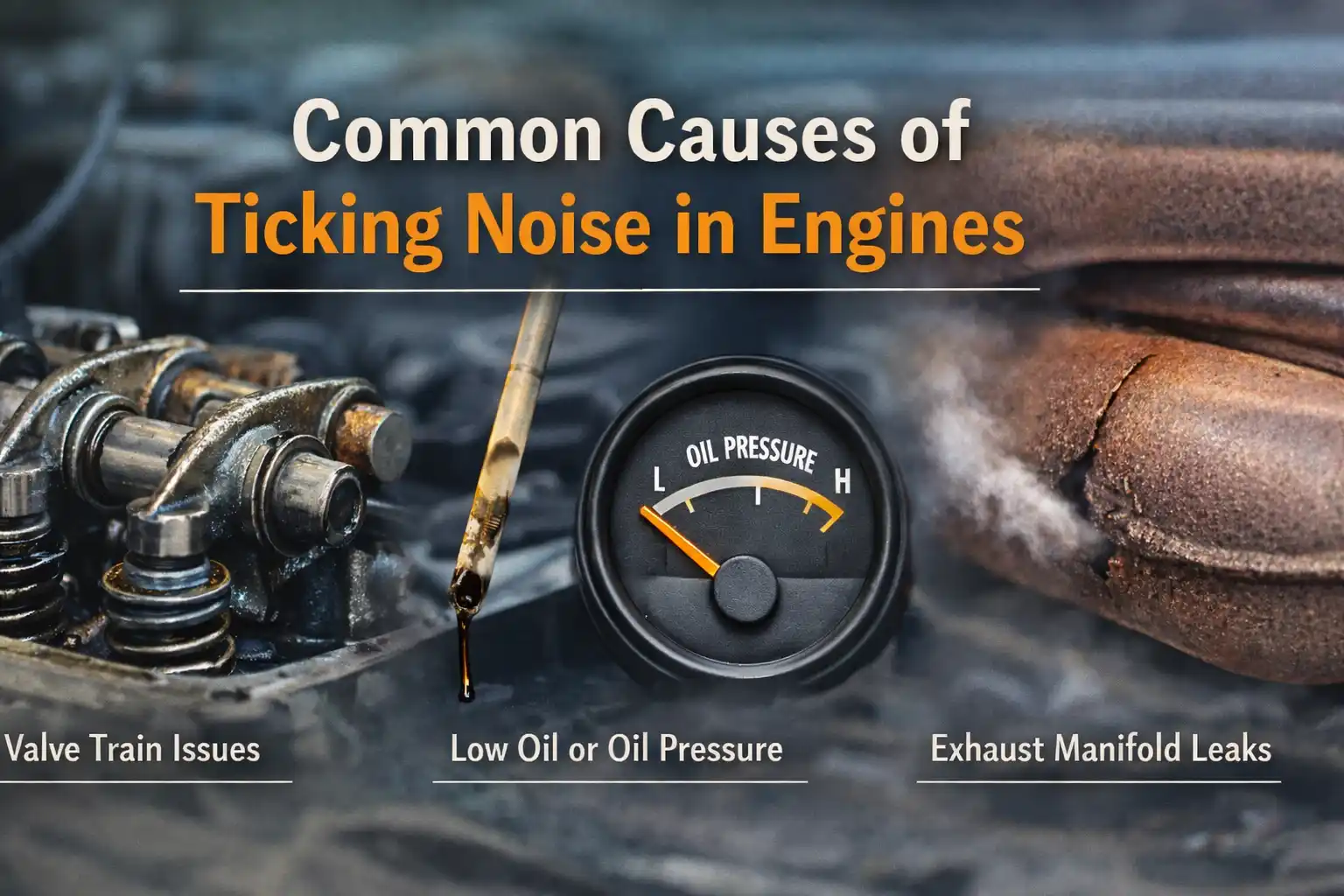
Common Causes of Ticking Noise in Engines
A ticking noise in the engine can be caused by various factors, each requiring a different approach to diagnose and resolve. One of the most common causes is valve train issues. The CR-V’s overhead-cam engines have no pushrods; their valve train includes camshafts, rocker arms and valves, which can produce ticking sounds if they are worn or the valve clearance is out of specification. Keep in mind that direct-injection engines also make a normal light ticking from the injectors and high-pressure fuel pump, as service bulletins for DI engines describe. Over time, these parts can lose their precise fit, leading to audible noises during engine operation.
Another frequent cause of ticking noises is low oil levels or oil pressure. Engine oil lubricates the moving parts, reducing friction and preventing wear. If the oil level is too low or the oil pressure is insufficient, it can lead to increased friction and metal-to-metal contact, resulting in ticking sounds. Regular oil changes and checks are crucial to maintaining the health of the engine and preventing such issues.
In addition to these, exhaust manifold leaks can also produce ticking noises. The exhaust manifold is responsible for directing exhaust gases away from the engine, and any leaks in this component can cause a ticking or tapping sound as gases escape. This issue not only affects the noise but can also impact engine performance and emissions, making it essential to address promptly.
Causes at a Glance
| Cause | Affected Component | Key Action Required |
|---|---|---|
| Valve train issues | Camshafts, rocker arms, valves | Inspect and adjust valve clearance |
| Low oil levels / oil pressure | All engine moving parts | Check dipstick; top up or change oil |
| Exhaust manifold leak | Exhaust manifold and gaskets | Inspect manifold; replace gasket if leaking |
| Worn lifters | Valve train | Inspect and replace worn lifters |
| Loose or worn timing chain | Timing system | Check chain tension; replace if worn |
Identifying the Symptoms of Ticking Noise
Recognizing the symptoms of a ticking noise in the engine is the first step towards diagnosing and resolving the issue. The noise itself is usually rhythmic and can vary in intensity depending on the engine’s speed and load. It is often more pronounced during cold starts and may diminish as the engine warms up, though this is not always the case.
Apart from the noise, you might notice other symptoms that could indicate underlying problems. Specifically, if the ticking noise is accompanied by a drop in oil pressure or visible oil leaks, it could point to lubrication issues. Similarly, if you experience a decrease in engine performance or fuel efficiency, it might suggest that the ticking noise is related to valve train components or exhaust leaks.
Another important symptom to watch for is the check Engine light. Modern vehicles, including the 2024 Honda CR-V, are equipped with sophisticated onboard diagnostics that monitor engine performance. If the system detects a problem, it will illuminate the check Engine light on the dashboard. This light can provide valuable clues about the nature of the issue and should not be ignored.
if the ticking noise in your 2024 Honda CR-V is accompanied by an illuminated check Engine light, do not ignore it. The onboard diagnostics system has detected a problem that falls outside normal operating parameters. Use an OBD-II scanner to retrieve stored trouble codes before continuing to drive the vehicle.
Importance of Timely Engine Troubleshooting

Addressing engine issues promptly is crucial to prevent minor problems from escalating into major, costly repairs. A ticking noise might seem like a minor annoyance, but it can be a symptom of a more serious underlying issue. Ignoring it can lead to increased wear and tear on engine components, potentially resulting in extensive damage and expensive repairs.
Timely troubleshooting also ensures that your vehicle remains safe and reliable. Engine problems can affect the overall performance and handling of your CR-V, increasing the risk of breakdowns or accidents. By addressing issues early, you can maintain the dependability of your vehicle and ensure that it performs optimally.
, regular troubleshooting and maintenance can extend the lifespan of your engine. By identifying and resolving issues early, you can prevent excessive wear on critical components, ensuring that your engine remains in good condition for years to come. This proactive approach not only saves you money in the long run but also provides peace of mind knowing that your vehicle is well-maintained.
A ticking noise caught early is almost always a low-cost fix. Oil top-ups, valve clearance checks, and exhaust gasket replacements usually cost far less than the cost of replacing entire valve train assemblies or timing components that have been damaged by prolonged neglect. Act on the noise as soon as you notice it consistently.
Step-by-Step Guide to Diagnose the Ticking Noise
Diagnosing the source of a ticking noise in your 2024 Honda CR-V involves a systematic approach to identify and address the underlying issue. Here is a step-by-step guide to help you through the process:
| Step | Action | What to look For |
|---|---|---|
| 1 | Listen Carefully | Determine the noise location and whether it changes with engine speed, idle, acceleration, or deceleration |
| 2 | Check Oil Levels | Dipstick reading below minimum; top up with recommended oil type if low |
| 3 | Inspect for leaks | Visible oil or exhaust residue around gaskets, seals, or the exhaust manifold |
| 4 | Use a stethoscope | Place probe on different engine components to pinpoint the exact location of the ticking |
| 5 | Check Valve Clearance | Clearance outside manufacturer’s specifications; adjust if improperly set |
| 6 | Examine Lifters and rocker Arms | Visible wear or damage; replace if necessary |
| 7 | Inspect Timing Chain | Rattle at startup, slack or tensioner wear; replace if condition is poor |
| 8 | Consult Onboard Diagnostics | Use an OBD-II scanner to check for stored trouble codes related to the engine |
Following the Steps in Order
Start by carefully listening to the noise to determine its location and characteristics. Pay attention to whether the noise is more pronounced during idle, acceleration, or deceleration, and whether it changes with engine speed.
Open the hood and check the engine oil level using the dipstick. Low oil levels can cause increased friction and ticking noises. If the oil level is low, top it up with the recommended oil type for your CR-V.
Look for any visible signs of oil or exhaust leaks around the engine. Leaks can contribute to ticking noises and indicate potential issues with gaskets, seals, or the exhaust manifold.
An automotive stethoscope can help pinpoint the source of the noise more accurately. Place the stethoscope on different engine components while the engine is running to identify the exact location of the ticking.
If the noise seems to be coming from the valve train, it may be necessary to check and adjust the valve clearance. Improperly adjusted valves can cause ticking sounds, and adjusting them to the correct specifications can resolve the issue.
Worn or damaged lifters and rocker arms can produce ticking noises. Inspect these components for wear and replace them if necessary.
A loose or worn timing chain can also cause ticking or rattling noises. Both 2024 CR-V engines use a timing chain rather than a belt, so have a technician check the chain and tensioner if needed.
Use an OBD-II scanner to check for any stored trouble codes in the vehicle’s computer system. These codes can provide valuable information about potential issues affecting the engine.
working through each step in order prevents misdiagnosis and ensures the actual root cause is identified before any parts are replaced.
Tools Needed for Engine Troubleshooting
Having the right tools is essential for effective engine troubleshooting. Here are some of the key tools you may need to diagnose and repair a ticking noise in your 2024 Honda CR-V:
| Tool | Purpose |
|---|---|
| Automotive Stethoscope | Allows you to listen to the internal sounds of the engine and pinpoint the source of the noise more accurately |
| OBD-II scanner | Reads diagnostic trouble codes from the vehicle’s computer system, providing valuable information about potential engine issues |
| Socket and wrench Set | Essential for removing and inspecting various engine components |
| Feeler Gauge | Used to measure and adjust valve clearances, ensuring they are within the manufacturer’s specifications |
| Oil Pressure Gauge | Helps determine if low oil pressure is contributing to the ticking noise |
| Flashlight | Essential for inspecting hard-to-reach areas and identifying leaks or worn components |
| Torque Wrench | Ensures that bolts and nuts are tightened to the correct specifications, preventing over-tightening or under-tightening |
| Service Manual (2024 Honda CR-V) | Provides detailed information on the engine’s specifications, maintenance procedures, and troubleshooting steps |
Having these tools on hand will enable you to perform a thorough and accurate diagnosis of the ticking noise, and take the necessary steps to resolve the issue.
When to Seek Professional Help

While many engine issues can be diagnosed and resolved by experienced DIY enthusiasts, there are times when it is best to seek professional help. If you are unable to identify the source of the ticking noise or if the issue persists despite your efforts, it may be time to consult a professional mechanic.
Professional mechanics have the expertise, experience, and specialized equipment to diagnose and repair complex engine issues. They can perform in-depth inspections and tests that may be beyond the scope of a DIY approach, ensuring that the problem is accurately identified and resolved.
, seeking professional help is advisable if the ticking noise is accompanied by other symptoms such as a significant drop in engine performance, persistent warning lights, or unusual exhaust emissions. These symptoms could indicate more serious underlying issues that require expert attention.
Ultimately, prioritizing the health and safety of your vehicle is important. If you are uncertain about any aspect of the diagnosis or repair process, do not hesitate to seek professional assistance to ensure that your 2024 Honda CR-V remains in optimal condition.
Preventive Maintenance Tips for Honda CR-V Owners
Preventive maintenance is key to keeping your 2024 Honda CR-V running smoothly and avoiding issues such as ticking noises in the engine. Follow the manufacturer’s recommended oil change intervals to ensure that your engine is properly lubricated. Use the recommended oil type and check the oil level regularly.
Adhere to the scheduled maintenance intervals outlined in your owner’s manual. Regular inspections by a qualified technician can identify potential issues before they become major problems. In addition to engine oil, regularly check and top up other essential fluids such as coolant, brake fluid, and transmission fluid.
A clean engine is less likely to develop issues. Regularly clean the engine bay to remove dirt, debris, and oil buildup that can affect engine performance. Pay attention to the condition of critical engine components such as belts, hoses, and gaskets, and replace any worn or damaged parts promptly to prevent further damage.
Be vigilant for any unusual noises coming from the engine. Addressing noises early can prevent more serious issues from developing. Ensure that the cooling system is functioning properly by regularly checking the coolant level and inspecting the radiator, hoses, and thermostat. Overheating can cause significant engine damage.
consistent attention to oil levels, fluid checks, and scheduled servicing is the most effective way to avoid ticking noises and extend the life of your engine.
Conclusion and Next Steps for CR-V Owners
Experiencing a ticking noise in the engine of your 2024 Honda CR-V can be concerning, but understanding the potential causes and knowing how to diagnose and address the issue can help you resolve it effectively. By following the step-by-step guide and using the right tools, you can identify the source of the noise and take appropriate action to keep your engine running smoothly.
Preventive maintenance is essential for the longevity and reliability of your vehicle. Regular oil changes, inspections, and attention to unusual sounds can help you catch and address issues early, preventing them from escalating into major problems.
If you are ever in doubt or unable to resolve the issue on your own, do not hesitate to seek professional help. Mechanics have the expertise and equipment to diagnose and repair complex engine issues, ensuring that your Honda CR-V remains in optimal condition.
By staying proactive and attentive to the needs of your vehicle, you can enjoy a smooth and dependable driving experience with your 2024 Honda CR-V for years to come.
the 2024 Honda CR-V’s engine is well-engineered and reliable, but ticking noises should never be dismissed. Whether the cause is low oil, valve train wear, or an exhaust manifold leak, early diagnosis and action will protect your engine, preserve your vehicle’s reliability, and save you money in the long run.
Related guides: more check engine codes explained and EGR Valve Cleaning Insights.
Frequently Asked Questions: 2024 Honda CR-V Engine Ticking Noise
What causes a ticking noise in my Honda CR-V’s engine?
Is it safe to drive my CR-V with a ticking noise in the engine?
How can I prevent engine noise in my Honda CR-V?
Can low oil levels cause a ticking noise in the engine?
When should We seek professional help for a ticking noise in my engine?
⚠️ professional Notice:
engine specifications, diagnostic procedures, and maintenance intervals referenced in this article are based on publicly available 2024 Honda CR-V technical documentation and are subject to change; always consult the official Honda service manual or a Honda-authorized technician for the most current specifications before performing any repair. Fuel economy data sourced from FuelEconomy.gov. All repair and maintenance information is provided for informational purposes only; improper engine work can void warranties or cause additional damage, and readers assume full responsibility for any work performed. NextCarReview is an independent publication not affiliated with honda Motor Co., ltd.
Related reading: Checking Engine Oil Made Easy: A Step-by-Step Approach, 2025 Honda CR-V Trims & Prices: Gas vs Hybrid Compared (US).
Sources
- FuelEconomy.gov: 2024 Honda CR-V
- Kelley Blue Book: 2024 Honda CR-V specs
- NHTSA recalls: 2024 Honda CR-V Hybrid (24V763 fuel pump)
- AutoPadre: Honda CR-V timing belt or chain (repair reference)
- NHTSA: service bulletin describing normal direct-injection ticking

Morgan Reyes is the founder and editor-in-chief of NextCarReview, which Morgan launched in August 2024. A 2022 graduate of Columbia University, Morgan is based in New York and writes and edits the site’s reviews, comparisons and buying guides. Morgan does not road-test vehicles. Every article is built from published primary data: EPA FuelEconomy.gov ratings, NHTSA crash ratings, recalls and owner complaints, IIHS results, and manufacturer specifications and pricing, with each figure cited and checked before publication. Contact: admin@nextcarreview.com