
In this article 8 sections
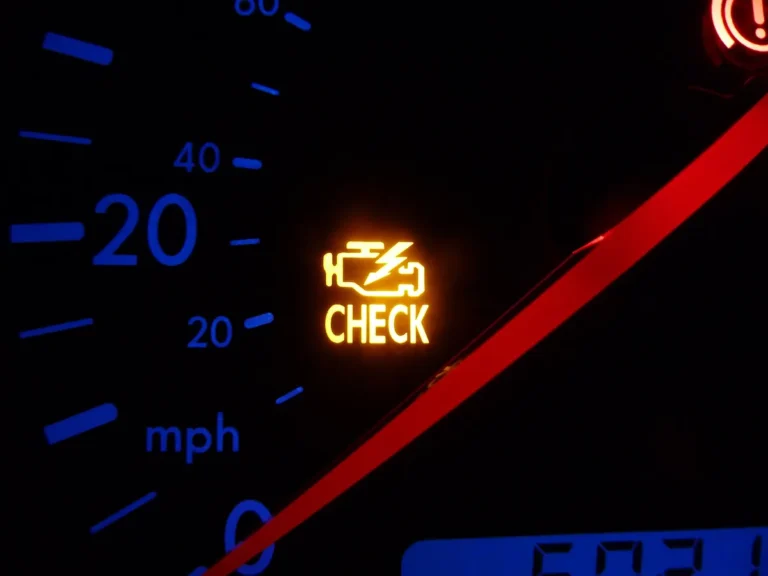
AutoZone will read your check engine light for free, and the next question is usually whether the store can make the light go away. Before you ask, it helps to know what AutoZone’s own pages say, and why clearing a code is rarely the shortcut it looks like.
Quick answer: AutoZone’s free Fix Finder service reads check engine light codes and gives you a report, but AutoZone’s published Fix Finder pages describe reading codes, not clearing them. Clearing doesn’t fix anything anyway: the light comes back if the fault is still there, and erasing codes resets the readiness monitors an emissions test checks.
What AutoZone’s Fix Finder Service Does
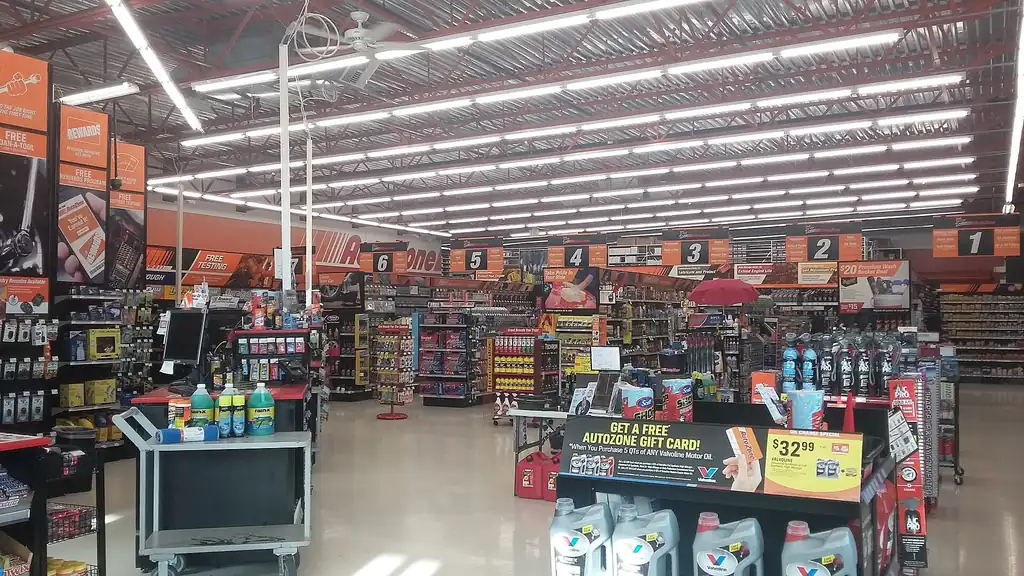
AutoZone’s Fix Finder page says the service reads the check engine, ABS and maintenance lights, that the test often takes less than a minute once the reader is plugged in, and that you get a printed and digital report with recommended solutions. The company’s fiscal 2026 annual report (Form 10-K) lists free check engine and ABS light readings through Fix Finder among the free services at its stores, which numbered 6,863 in the U.S. at the end of the fiscal year.
AutoZone’s how-to guide explains the self-service version. You borrow a scan tool at the counter, plug it into the diagnostic connector under the dash, turn the ignition on without starting the engine and let it read. The AutoZoner then downloads the data at a store terminal, explains the reading and prints a copy. The tool works only with AutoZone’s terminals.
The same 10-K describes Loan-A-Tool, a separate program that lets customers borrow a specialty tool for a job, such as a steering wheel puller.
Does AutoZone Clear Codes? What Its Own Pages Say
Neither the Fix Finder page nor the how-to guide describes AutoZone staff clearing codes or turning the light off. The only mention of clearing comes at the end of the guide: “for any parts you need to correct the codes and clear your Check Engine light, we’re here for you.” In other words, AutoZone frames clearing as something that follows a repair, not as part of the free scan.
AutoZone does not publish a chain-wide clearing policy on those pages, so ask at your store.
Why Clearing the Code Doesn’t Fix the Problem
A code is a record, not the fault itself. Under California’s OBD II regulation (13 CCR 1968.2), which spells out how onboard diagnostics must behave, the system stores a pending code when it first detects a malfunction and turns the light on with a confirmed code when the fault shows up again. Erase the record without fixing the fault and the monitor simply detects it again, and the light returns.
Some codes cannot be erased by a scan tool at all. California’s Bureau of Automotive Repair (BAR) explains that permanent diagnostic trouble codes cannot be cleared with a scan tool or by disconnecting the battery. Only the car’s OBD system removes them, once it has verified the fault is gone.
Clearing also throws away evidence. AutoZone’s guide notes that codes can be active, stored or pending, and all help pinpoint a cause. A misfire code such as P0300 or a catalyst code such as P0420 is far easier to diagnose while it is still in memory.
How Readiness Monitors Reset
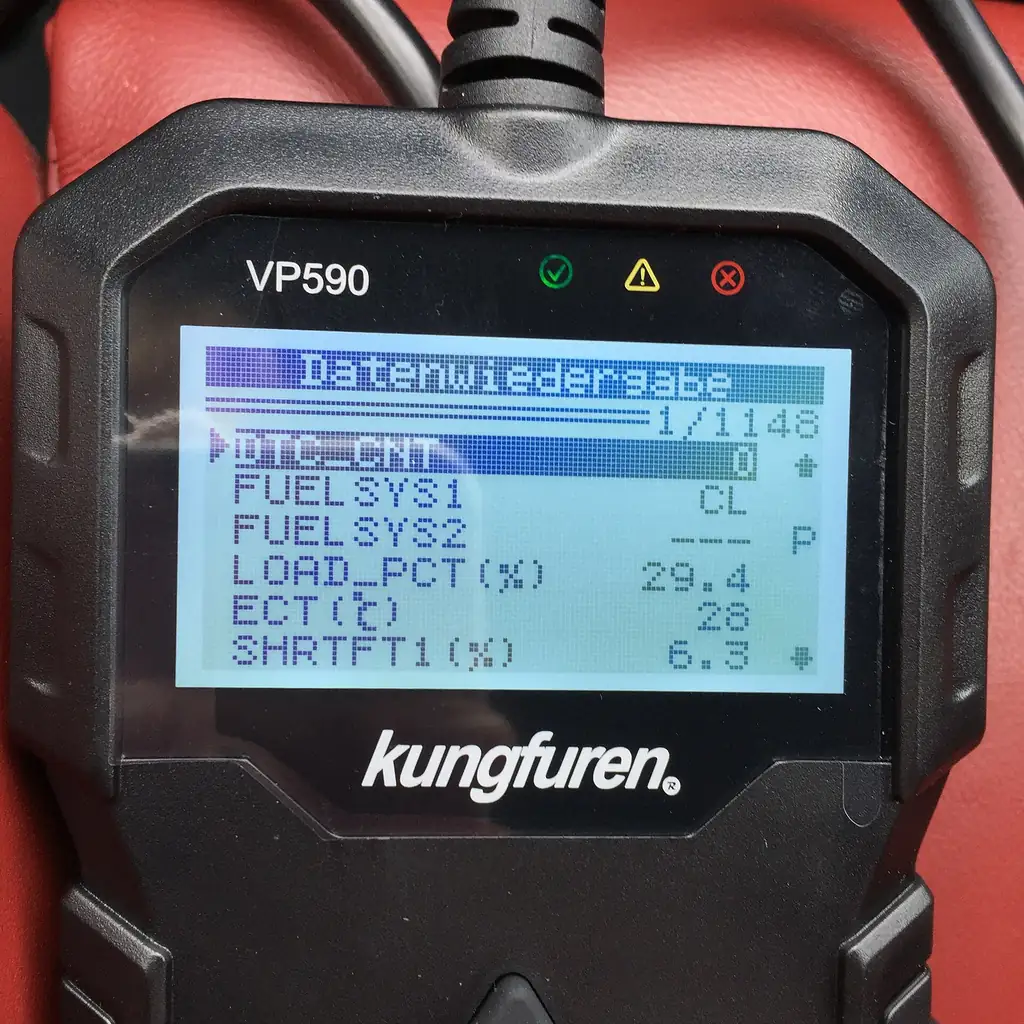
Readiness monitors are the self-tests the OBD system runs on parts such as the catalytic converter, oxygen sensors and evaporative system. The California regulation requires every monitor to show “not complete” whenever fault memory has been cleared, while a normal key-off does not reset them.
They only return to “complete” after the car has been driven under the right conditions. AutoZone’s guide says the Fix Finder tool shows a yellow light when some monitors have not finished or a pending code exists, and advises completing a full drive cycle before scanning again.
The Inspection Consequence
This is where clearing backfires. Federal OBD inspection rules (40 CFR 85.2207) fail a car whose light is commanded on for a stored code. Under the federal test procedure, a car with unfinished monitors is told to return after more driving and fails if they are still incomplete, with an allowance of two unset monitors for 1996 to 2000 models and one for 2001 and newer.
California is stricter: BAR fails 2010 and newer vehicles that support permanent codes if one is stored, even with the light off, unless the car has completed 15 warm-up cycles and 200 miles since its codes were last cleared. So a car cleared on the way to an inspection usually lands in one of two places: turned away as not ready, or failed when the fault returns.
When Clearing a Code Makes Sense
- After a verified repair. Clearing confirms the fix: if the light stays off through normal driving, the repair worked.
- After a loose gas cap. GM’s owner manual for the 1998 Chevrolet C/K 1500 says a few driving trips with the cap properly installed should turn the light off on its own. Our P0455 guide covers the large EVAP leak code a loose cap can set.
- Never with a flashing light. A flashing light means an active, severe misfire. Get it diagnosed, not erased.
If a repair might be covered, check before paying; see our guide to car warranty coverage.
Frequently Asked Questions About AutoZone and Check Engine Lights
Will AutoZone clear my check engine light for free?
Is AutoZone’s Fix Finder scan really free?
Will the check engine light come back after clearing?
Can I pass an emissions test right after clearing codes?
Data Sources and Verification
- AutoZone – Free Fix Finder Service page (live page bot-protected; read via Internet Archive copy)
- AutoZone – How to Read Your Own Check Engine Light With Our Free Fix Finder Service (Internet Archive copy, September 2026)
- AutoZone Inc. Form 10-K for fiscal 2026 (SEC)
- California Air Resources Board – 13 CCR 1968.2 OBD II regulation
- California Bureau of Automotive Repair – On-Board Diagnostic Test Reference
- 40 CFR 85.2207 – Onboard diagnostic test standards
- 40 CFR 85.2222 – Onboard diagnostic test procedures
- GM – 1998 Chevrolet C/K 1500 owner manual

Morgan Reyes is the founder and editor-in-chief of NextCarReview, which Morgan launched in August 2024. A 2022 graduate of Columbia University, Morgan is based in New York and writes and edits the site’s reviews, comparisons and buying guides. Morgan does not road-test vehicles. Every article is built from published primary data: EPA FuelEconomy.gov ratings, NHTSA crash ratings, recalls and owner complaints, IIHS results, and manufacturer specifications and pricing, with each figure cited and checked before publication. Contact: admin@nextcarreview.com