In this article 9 sections
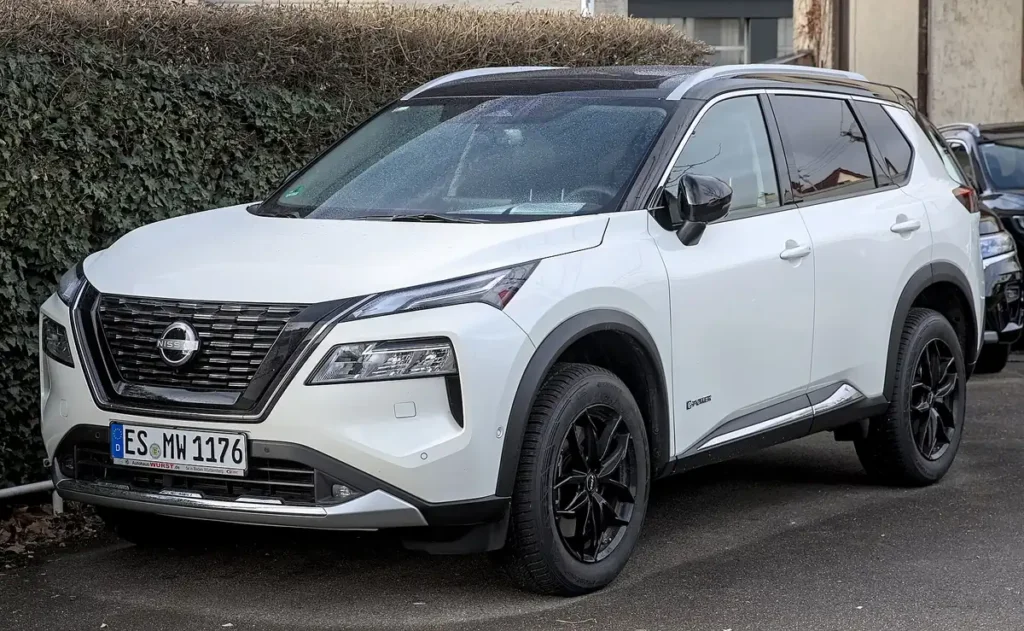
A new 2026 Nissan comes with 36 months/36,000 miles of basic coverage, 60 months/60,000 miles of powertrain coverage, 60 months/unlimited miles of corrosion perforation coverage, a 10-year seat belt warranty and Roadside Assistance for 36 months/36,000 miles (towing for 60 months/60,000 miles). Nissan EVs add an 8-year/100,000-mile battery warranty.
The warranty transfers automatically to later owners. Nissan’s optional Security+Plus plans extend coverage up to 8 years/120,000 miles.
Coverage terms come from Nissan North America’s 2026 Warranty Information Booklet and Nissan’s Warranty & Protection page. NextCarReview does not sell warranties or service contracts and has no affiliation with any manufacturer or warranty company; see our sourcing policy.
This is general information, not legal advice. Check your own warranty booklet: coverage can differ by model, model year, powertrain and state.
Nissan’s warranty matches the most common pattern among mainstream brands: 3 years of basic coverage and 5 years on the powertrain. What sets the booklet apart is in the details: airbags sit under the 5-year powertrain coverage, towing lasts longer than the rest of roadside assistance, and the warranty can be voided if a car is resold and exported soon after delivery.
What Does the 2026 Nissan Warranty Cover?
| Coverage | Term (whichever comes first) | Notes |
|---|---|---|
| Basic | 36 months / 36,000 miles | All Nissan-supplied parts and components, subject to exclusions |
| Powertrain | 60 months / 60,000 miles | Engine, transmission and transaxle, drivetrain, airbags and related controls |
| Seat belts | 10 years | From delivery to the first retail buyer |
| Corrosion (perforation) | 60 months / unlimited miles | Body sheet metal rust-through |
| EV battery and EV system (EVs) | 8 years / 100,000 miles | Plus lithium-ion battery capacity coverage |
| Roadside Assistance | 36 months / 36,000 miles | Towing covered 60 months / 60,000 miles |
| Adjustments (alignment, balancing) | 12 months / 12,000 miles | Refrigerant recharge 12 months |
| Federal emissions (long-term parts) | 96 months / 80,000 miles | Per booklet endnote |
| Scheduled maintenance | Not included | Owner’s responsibility |
The warranty period begins on the date the vehicle is delivered to the first retail buyer or put into use, whichever is earlier. Basic coverage pays for repairs needed to correct defects in materials or workmanship of all Nissan-supplied parts, subject to the booklet’s exclusions; towing to the nearest Nissan dealer is covered when a warranted part fails (Nissan 2026 booklet).
What Does Nissan’s Powertrain Warranty Cover?
- Engine: cylinder heads and block and all internal parts, rocker covers and oil pan, valve train and front cover, timing chain and tensioner, oil pump, water pump and fuel pump, fuel injectors, intake and exhaust manifolds and turbocharger, flywheel, seals and gaskets.
- Transmission and transaxle: case and all internal parts, torque converter and housing, automatic transmission control module, transfer case and internal parts, seals and gaskets, clutch cover and housing, A/T cooler and electronic transmission controls.
- Drivetrain: drive shafts, final drive housing and internal parts, propeller shafts, universal joints, bearings, seals and gaskets.
- Restraint system: airbags and related electronic control systems.
Many Nissans use continuously variable transmissions (CVTs), which fall under this 5-year/60,000-mile coverage. Nissan has issued separate warranty extensions for some CVTs in past model years; our guides to the P1778 CVT step motor code and P0744 torque converter code explain how to check whether one applies to your vehicle.
What Is Not Covered by the Nissan Warranty?
- Failure to operate the vehicle according to the Owner’s Manual, misuse, racing and competitive driving.
- Theft, vandalism, fire or flooding (including engine water ingestion), accidents, collisions and damage while being towed.
- Damage from repairs by anyone other than an authorized Nissan dealer, alteration, tampering, improper repair, or non-Nissan-approved accessories.
- Glass breakage not caused by a defect; normal wear and tear such as dings, dents, chips and scratches; car wash and pressure-washer damage.
- Environmental damage from stone chips, acid rain, tree sap, salt, hail, windstorm, lightning and flood.
- Vehicles with an altered odometer, and any vehicle ever issued a salvage, junk, scrap, rebuilt or flood title or declared a total loss by an insurer, which voids the warranty.
- Embedded software and firmware, which Nissan licenses rather than sells; maintenance and lack of maintenance.
Exhaust components and outer trim parts are excluded from the 60-month perforation coverage, although outer trim corrosion is covered for 12 months or 12,500 miles. Key fob batteries are covered for 12 months and original wiper blade inserts for 6 months (Nissan 2026 booklet).
Does the Nissan Warranty Transfer to a Second Owner?
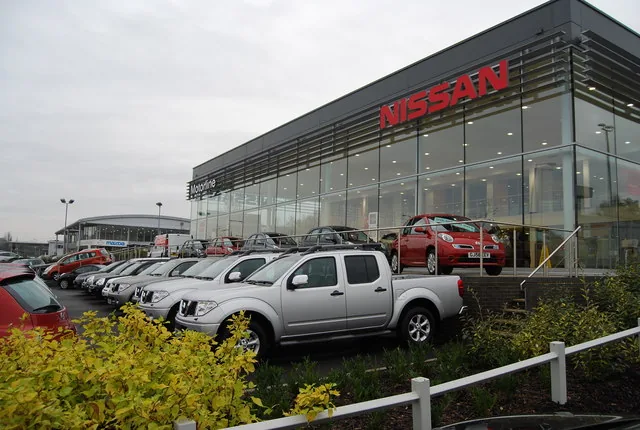
Yes, with one restriction. The 2026 booklet says the warranty is provided to the original and subsequent owners and is generally transferable to later owners at any time ownership changes, without any action on your part. It is not transferable, and is instead void, if during the first six months after delivery to the original owner the vehicle is both transferred to a new owner and registered outside the United States (Nissan 2026 booklet).
Roadside Assistance also transfers with the vehicle for the remaining coverage period. Before buying a used Nissan, check the in-service date, any CVT extensions and open recalls, decode the VIN with our free VIN decoder, and follow our used-car checklist.
What About Nissan EV and e-POWER Coverage?
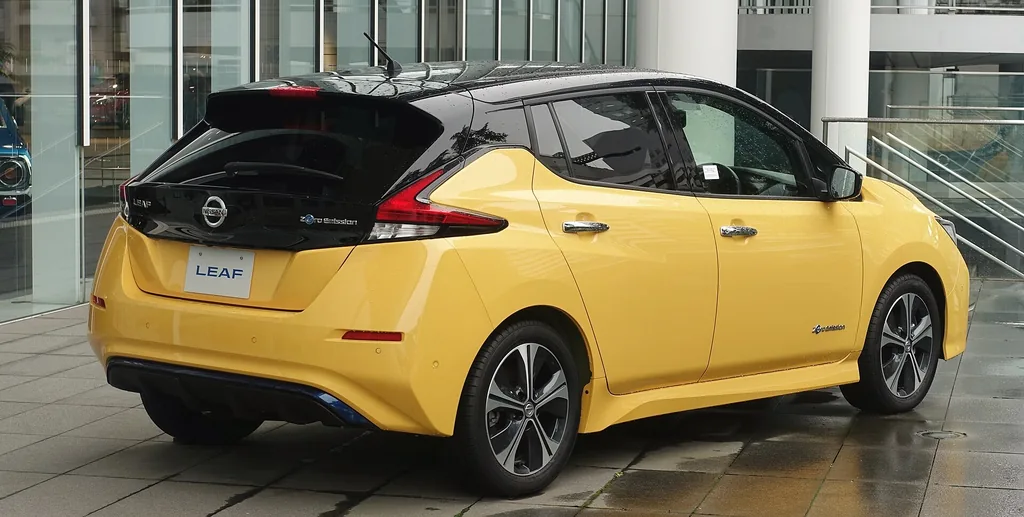
Nissan’s Warranty & Protection page says all new Nissan EVs include the same 3-year/36,000-mile basic and 5-year/60,000-mile powertrain coverage, plus an 8-year/100,000-mile battery warranty, EV system coverage and lithium-ion battery capacity coverage (Nissan). The specific components and capacity threshold are in each EV’s own warranty booklet; see our 2026 Nissan Leaf review.
For the e-POWER hybrid system coming to the Rogue (see our 2027 Nissan Rogue preview), check the warranty booklet delivered with the vehicle for electrified component terms; the 2026 booklet covers Nissan’s gasoline lineup.
Separately, federal law requires every automaker to provide emissions warranties. The EPA explains that emission-related defects are covered for 2 years or 24,000 miles, that specified major emission control components (the catalytic converters, the electronic emissions control unit and the onboard diagnostic device) are covered for 8 years or 80,000 miles, and that these warranties apply to used vehicles as well (EPA). Vehicles certified to California rules can carry longer emissions coverage in California and the states that follow its program.

What Does Nissan Roadside Assistance Include?
Nissan’s booklet provides Roadside Assistance from the date the vehicle is retailed for 36 months or 36,000 miles, 24 hours a day in all 50 states, for mechanical breakdowns, flat tires, accidents and collisions (loaner vehicle not included), dead batteries, emergency fuel delivery and lockouts. Towing service is provided for 60 months or 60,000 miles. If a mechanical breakdown happens more than 100 miles from your primary residence, trip interruption benefits can cover meals, lodging, substitute transportation and the cost of reuniting owner and vehicle; these are not available for accidents or non-warranty disablements (Nissan 2026 booklet).
Is Nissan Security+Plus Worth It?
Security+Plus is Nissan’s own extended protection plan. The 2026 booklet says plans let you choose coverage for up to 8 years/120,000 miles, are performed at participating Nissan dealers with Genuine Nissan or Nissan-approved parts, require no payment other than any deductible because Nissan pays dealers directly, include 24-hour roadside assistance, towing, car rental and trip interruption benefits, and are transferable to subsequent owners (Nissan 2026 booklet). Nissan’s site adds that you can buy a plan after purchase within time and mileage limits and that cost varies by vehicle and coverage level (Nissan).
With factory coverage ending at 3 years/36,000 miles for most parts and 5 years/60,000 miles for the powertrain, a plan’s value is concentrated in the years after that. Owners who keep vehicles long, drive many miles or want CVT and electronics protection beyond 60,000 miles are the ones most likely to use it.
Before buying any plan, the FTC suggests comparing the contract with the factory warranty you already have: when coverage starts, the deductible, which parts are excluded, whether repairs need pre-approval, and whether the plan can be transferred or cancelled (FTC). The CFPB notes that extended plans are optional add-ons whose price can be negotiated, and that you can cancel optional add-ons (CFPB). A plan backed by Nissan is honored through its dealer network; read the contract for where else repairs can be done.
Frequently Asked Questions
What is Nissan’s warranty on a new car?
Nissan’s 2026 Warranty Information Booklet lists basic coverage of 36 months or 36,000 miles, powertrain coverage of 60 months or 60,000 miles, corrosion perforation coverage of 60 months with unlimited miles and seat belt coverage for 10 years.
Does the Nissan warranty transfer to a new owner?
Generally yes. The 2026 booklet says the warranty transfers to subsequent owners automatically when ownership changes, unless, within the first six months after delivery to the original owner, ownership is transferred and the vehicle is registered outside the United States. In that case the warranty is void.
How long is Nissan roadside assistance?
Nissan’s booklet provides Roadside Assistance for 36 months or 36,000 miles from the date the vehicle is retailed, with towing for 60 months or 60,000 miles. Roadside benefits transfer with the vehicle for the remaining period.
What is the Nissan EV battery warranty?
Nissan says new Nissan EVs get the same 3-year/36,000-mile basic and 5-year/60,000-mile powertrain coverage, plus an 8-year/100,000-mile battery warranty, EV system coverage and lithium-ion battery capacity coverage. Details are in the EV warranty booklet for each model.
What is Nissan Security+Plus?
Security+Plus is Nissan’s own extended protection plan. Nissan’s 2026 booklet says plans offer coverage for up to 8 years or 120,000 miles, are honored at Nissan dealers nationwide, include roadside, towing, rental and trip interruption benefits, and can be transferred to later owners. Nissan says cost varies by vehicle and coverage level.
⚠️ Professional Notice:
Terms are from Nissan’s 2026 Warranty Information Booklet and nissanusa.com as of October 2026. EV terms are summarized from Nissan’s Warranty & Protection page; each EV’s booklet controls.
Warranty terms summarized here come from the manufacturer documents named in Data Sources. Your own vehicle’s warranty booklet controls. NextCarReview.com does not receive compensation from any manufacturer, dealer or service-contract company and does not rank third-party warranty companies.
Car Warranty Guides
More in this series:
Data Sources and Verification

Morgan Reyes is the founder and editor-in-chief of NextCarReview, which Morgan launched in August 2024. A 2022 graduate of Columbia University, Morgan is based in New York and writes and edits the site’s reviews, comparisons and buying guides. Morgan does not road-test vehicles. Every article is built from published primary data: EPA FuelEconomy.gov ratings, NHTSA crash ratings, recalls and owner complaints, IIHS results, and manufacturer specifications and pricing, with each figure cited and checked before publication. Contact: admin@nextcarreview.com