In this article 10 sections
Nissan just flipped the script. The old hatchback disappears, and a sleek electric crossover steps in. We break down the release date, range, NACS charging, pricing, and rivals. So if you want an affordable EV with real road presence, this guide answers every question first. Certainly, the new Leaf earns a fresh look before you buy anything.
Figures cross-checked against EPA, NHTSA, IIHS and manufacturer sources. See our sourcing policy.
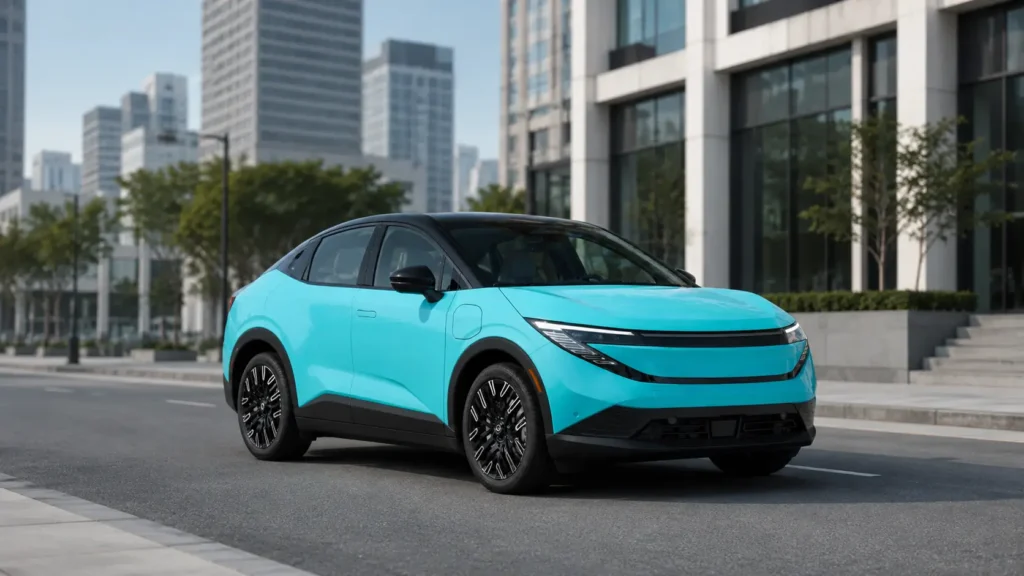
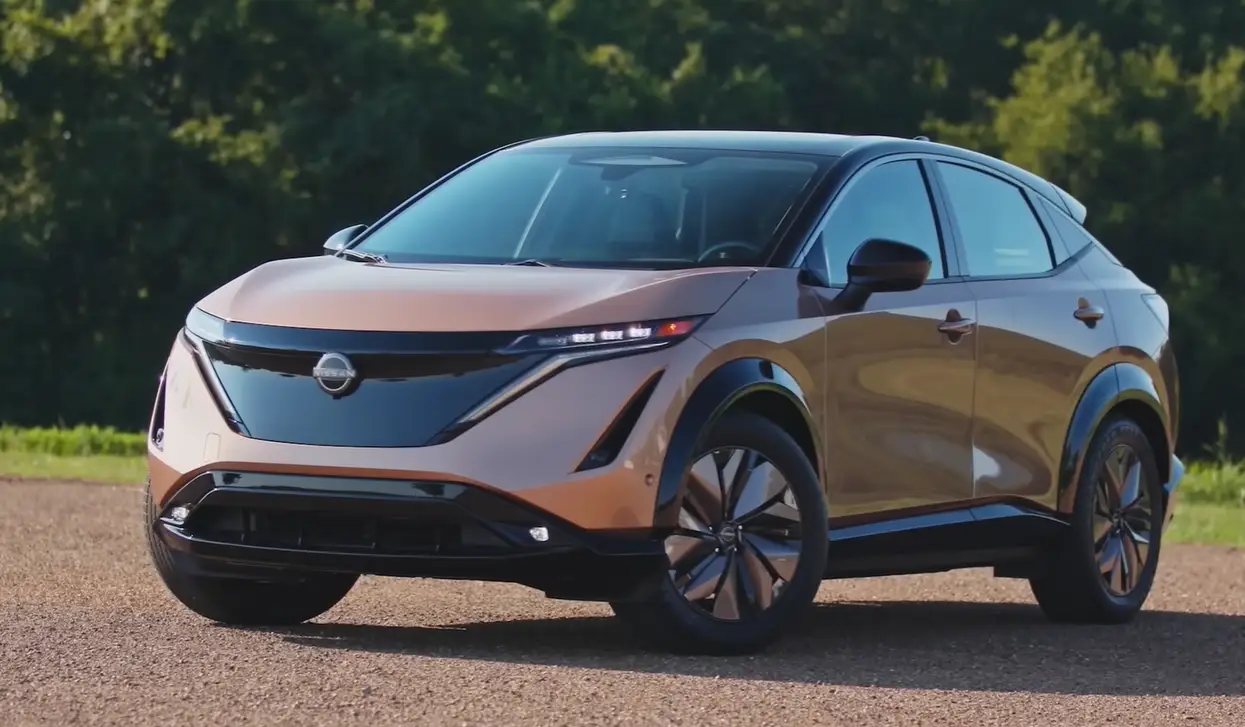
The 2026 Nissan Leaf crossover arrives as one of the biggest resets in electric car history. Nissan took its famous hatchback and rebuilt it from the tires up. So the boxy commuter shape leaves the stage for good. In its place sits a low, sculpted electric crossover with sharp lines and real presence.
This marks the third gen Nissan Leaf, and it feels nothing like the old car. But the changes run deeper than the body panels. Nissan added a native NACS port and a bigger battery. And the cabin finally feels modern. So drivers get quicker charging and longer trips without the old range worry.
We read Nissan’s official specs and the EPA ratings for this launch. And the picture reads clearly. The Leaf now chases shoppers who want an affordable EV that looks the part. Above all, it keeps the low price that made the first one a hit.
In this review, we cover the release date, specs, range, pricing, and rivals. So by the end, you will know if this battery electric vehicle fits your driveway. Most importantly, we use Nissan’s confirmed numbers.
2026 Nissan Leaf Release Date
2026 Nissan Leaf – Quick Market Intelligence
The 2026 Nissan Leaf went on sale in the US in fall 2025. So it has been in dealers for about a year, and all three trims are available.
When It Goes on Sale
Nissan put the first cars on sale in fall 2025. So North American shoppers can find cars on lots now. Meanwhile, stock varies by region. And dealers may have more of some trims than others.
Our 2025 Nissan Leaf review covers the outgoing hatchback in full so you can see exactly how far this generation leap goes.
Reservation Details
You can browse inventory online through Nissan’s site. So you can find the trim and color you want before visiting a dealer. And checking stock first saves time. Similarly, it helps you compare dealer pricing.
From Hatchback to Crossover
Nissan leaf crossover price talk means little without knowing why the car changed shape at all. So let us start there. Buyers wanted taller seats, more space, and a bolder look. And Nissan listened.
Why Nissan Reinvented the Leaf
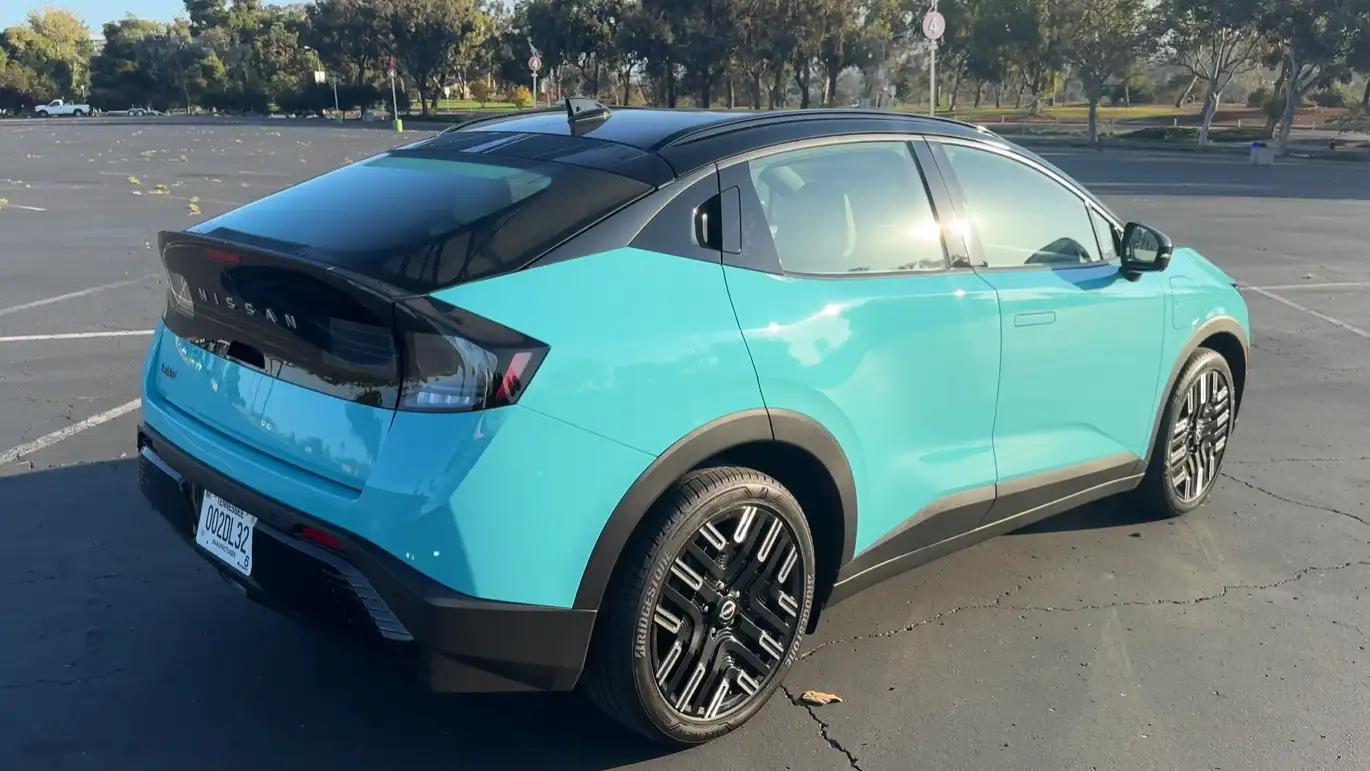
The old Leaf sold well, but the hatchback look aged fast. So Nissan chased a shape that buyers really want today. In short, crossovers rule the market. As a result, the Leaf grew a taller stance and a bolder face. This affordable electric crossover now goes where buyers shop.
Design Changes
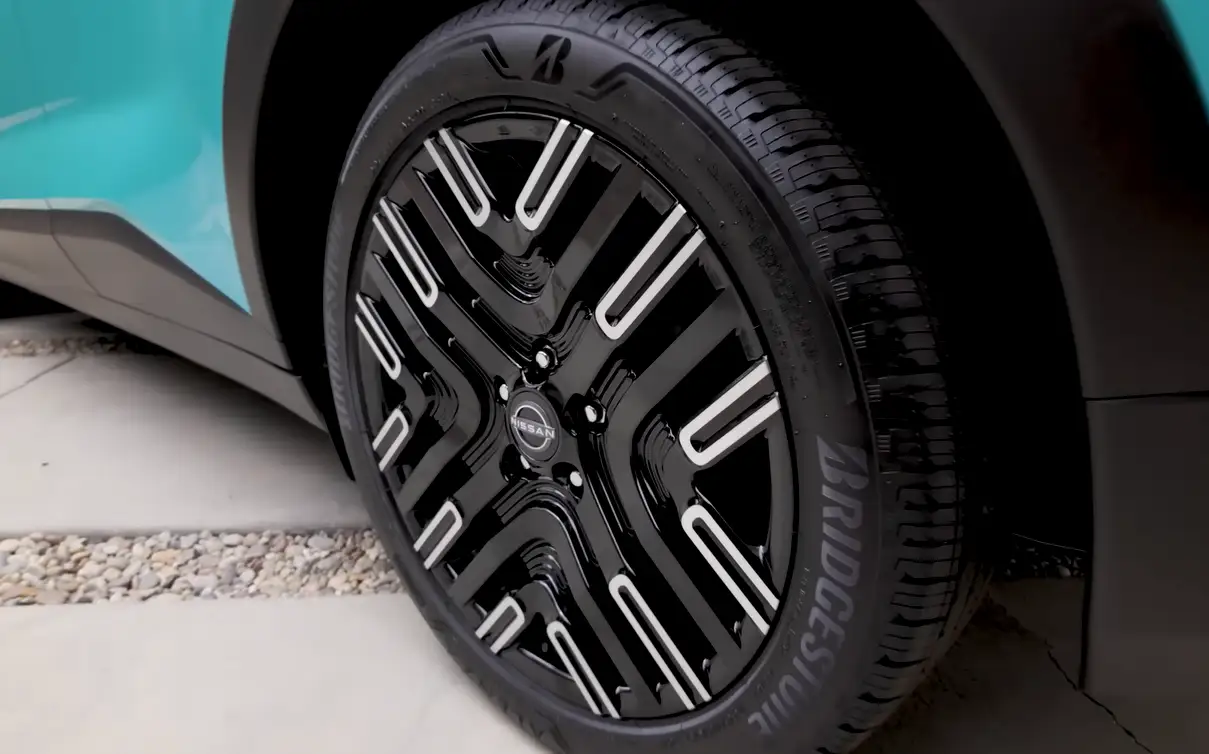
The new Leaf borrows cues from the Ariya, Nissan’s larger EV. So the front wears a smooth, closed grille and slim lights. And the roofline slopes like a coupe, not a box. Meanwhile, flush door handles and hidden seams cut drag. And it looks great for the price.
Powertrain, Range, and Charging
New nissan leaf specs bring the biggest news of all. Nissan reworked the whole car. So the car gains a bigger battery, faster charging, and smoother power. And every number moves in the right direction.
Battery and 2026 Leaf Range
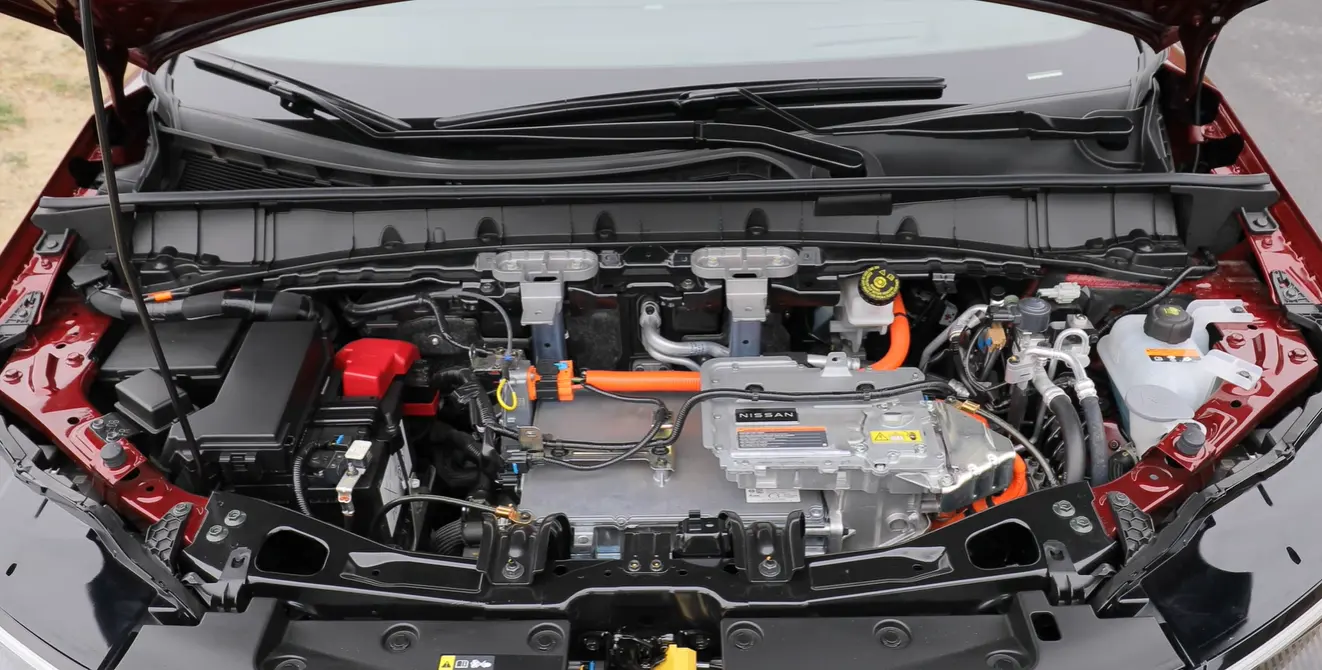
The 2026 leaf range is EPA-rated at 303 miles for the S+, 288 miles for the SV+ and 259 miles for the Platinum+. So daily commutes and weekend trips feel easy. The leaf crossover battery size is 75 kWh on every US trim. Bigger wheels cost range on the upper trims. To clarify, those are official EPA figures.
For a full deep-dive on the range numbers and how they compare across trims, our 2026 Nissan Leaf range guide breaks down every pack option in detail.
Motor and Performance
Nissan tunes the front motor for smooth, quiet power. So the Leaf feels quick off the line without drama. The S+ makes 174 hp and the SV+ and Platinum+ make 214 hp. And that output suits a commuter EV just fine. Likewise, the low battery keeps the ride planted in corners.
DC Fast Charging and NACS
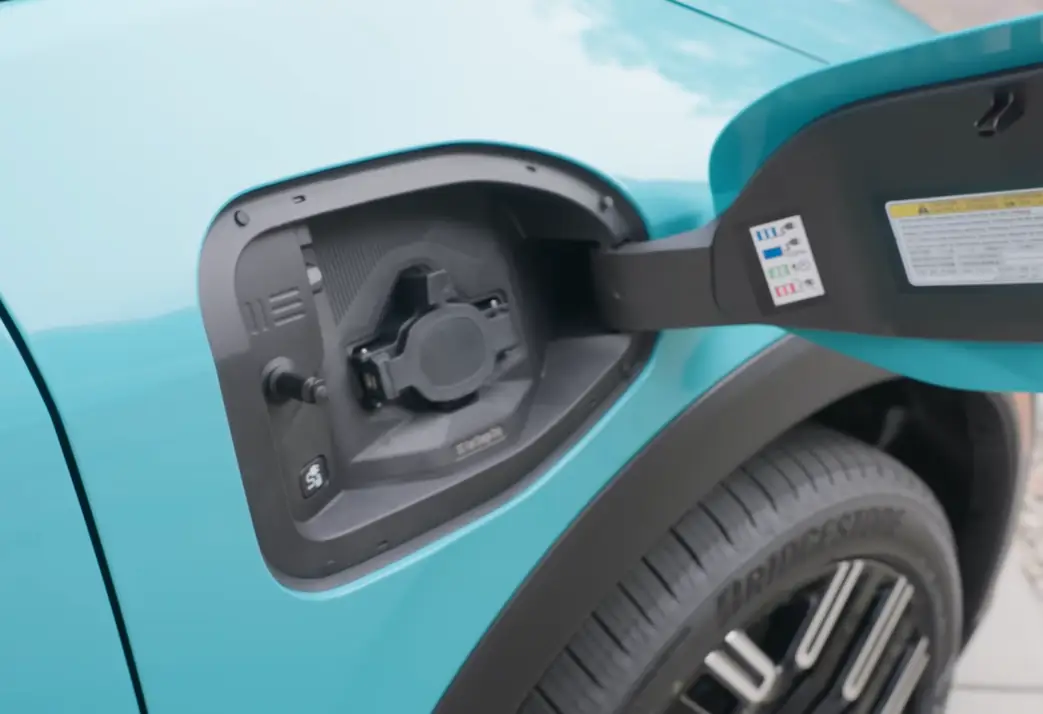
Nissan leaf nacs charging fixes the biggest gripe from old owners. The new Leaf ships with a native NACS charging port. So it plugs straight into Tesla fast chargers. And you skip the clunky adapter. And the leaf charging speed jumps to the 150 kW class. As a result, a 10 to 80 percent top-up should take about 35 minutes.
Interior and Tech
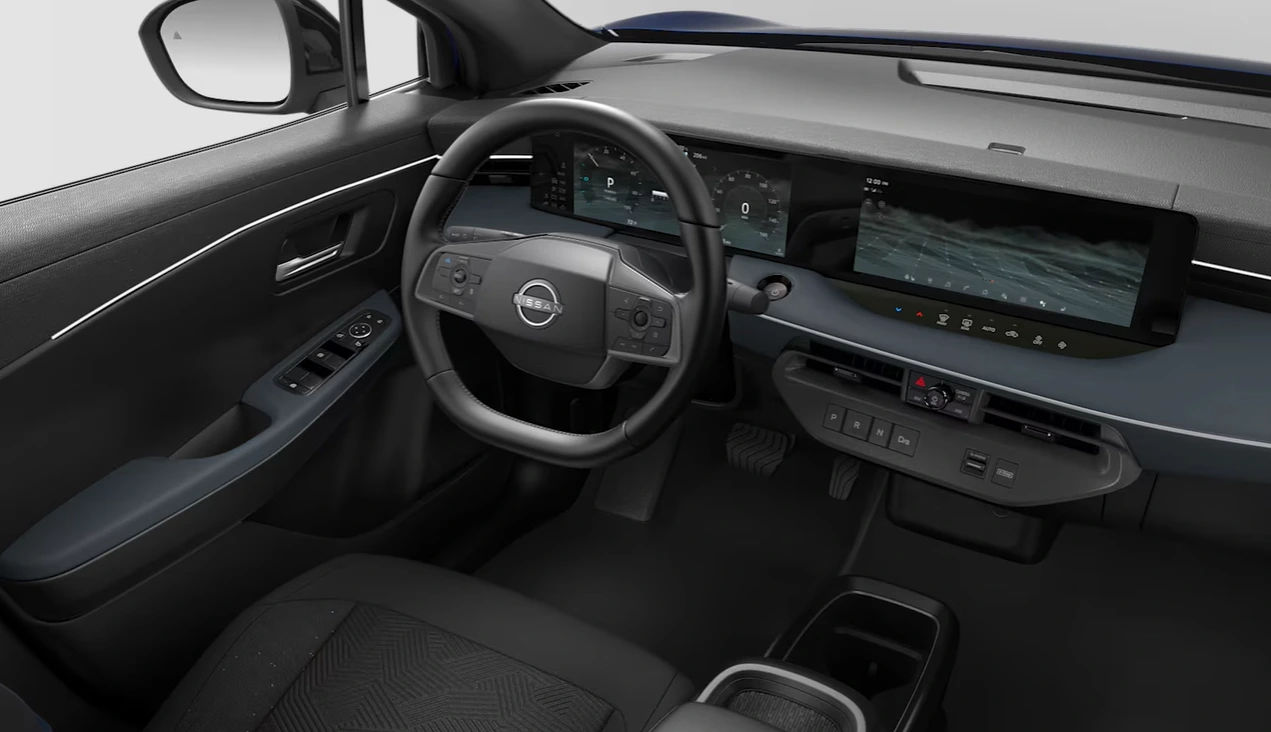
The cabin of the 2026 Nissan Leaf crossover finally matches its price tag. Nissan added softer trim, bigger screens, and smarter storage. So the inside feels like a step up, not a step sideways.
Cabin Materials
Nissan swapped cheap plastic for softer trim on the doors and dash. So the spots you touch most feel better. And recycled cloth covers the seats on greener trims. Meanwhile, higher trims add faux leather and soft mood light.
Infotainment
The S+ gets a 12.3-inch touchscreen, while the SV+ and Platinum+ get twin 14.3-inch screens. So the driver reads a crisp dash, and upper trims run Google built-in. And wireless Apple CarPlay comes standard. In addition, over-the-air updates keep the software fresh for years.
Cargo and Space
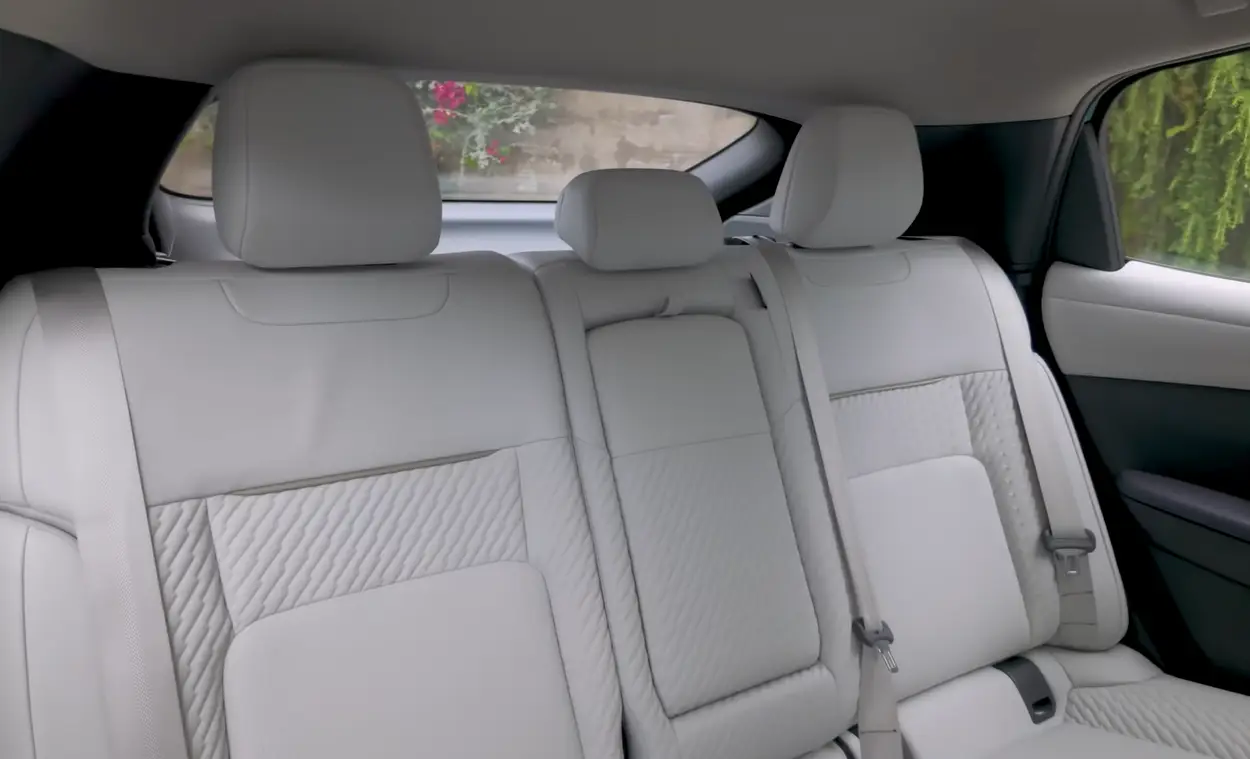
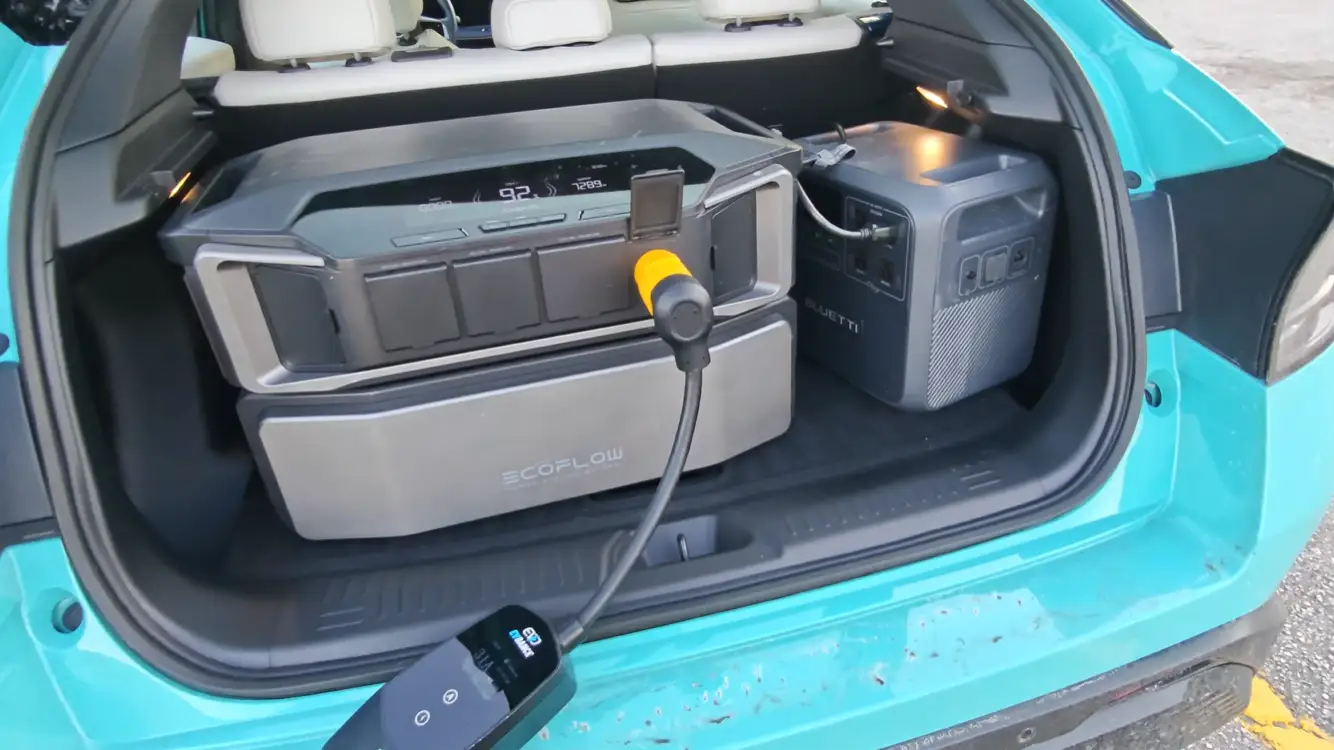
The crossover body opens up real room in back. So riders stretch out, and the trunk holds a big grocery run with ease. The rear seats fold for bulky loads. Likewise, cargo space grows from 20 to 55.5 cubic feet.
Nissan Leaf Crossover Price and Trims
Nissan leaf crossover price stays the headline reason to care. Nissan wants the Leaf to beat most rivals on price. So it keeps the price low while adding tech. And that combo is rare in 2026.
Expected MSRP
The base Leaf S+ starts at $29,990, plus $1,575 destination. So it sits near the bottom of the EV market. The SV+ costs $34,230 and the Platinum+ $38,990. To sum up, it stays a value pick across the lineup.
Tax-Credit Reality
Federal and state tax breaks shift often. So we urge care here. The $7,500 federal clean vehicle credit ended for vehicles acquired after September 30, 2025. So most buyers should expect no federal credit now. State and utility rebates may still apply. Certainly, you should check the current rules before you sign.
| 2026 Nissan Leaf Crossover | Estimated Spec |
|---|---|
| Body style | Electric crossover |
| EPA range | 259 to 303 miles |
| Battery size | 75 kWh (all US trims) |
| Charging port | Native NACS |
| DC fast charge | 150 kW class |
| Power | 174 to 214 hp |
| Starting price | $29,990 + $1,575 destination |
| On sale | Fall 2025 |
How the 2026 Nissan Leaf Crossover Compares
The 2026 Nissan Leaf crossover enters a crowded field. So we lined it up against the usual value rivals. And it holds its ground on price, range, and charging. Below, we break down the head-to-head fights.
Nissan Leaf vs Bolt
The nissan leaf vs bolt debate comes down to shape and charging. The 2027 Bolt also runs cheap, starts at $29,990 with destination, and now has a native NACS port and 150 kW charging. So the two are close on charging. And the crossover body gives the Leaf a more modern look. In the same vein, the Leaf feels newer inside.
vs Kona Electric and Niro EV
Hyundai’s Kona Electric and Kia’s Niro EV both fight in this class. So the Leaf must earn its spot. It matches their range and beats many on charging. And the Nissan Ariya vs Leaf gap shrinks too, since the Leaf now borrows Ariya style at a lower price. Compare current prices and range before you choose.
Should You Buy the 2026 Nissan Leaf Crossover?
The Leaf makes sense for a clear kind of buyer. So think about your daily miles first. Short trips, a home charger, and a tight budget all point to yes. And the NACS port removes the old road-trip headache.
Is the 2026 Nissan Leaf Crossover Worth It?
For most value shoppers, the answer leans yes. So if you want a fresh electric crossover without a high price, the Leaf delivers. But wait for final EPA numbers and credit rules before you commit. To clarify, the promise looks strong, yet the paperwork matters.
Conclusion
The 2026 Nissan Leaf crossover proves Nissan can still surprise us. So the plain old hatchback grows into a sleek, able EV. And with NACS charging, a bigger battery, and a low price, it fixes nearly every old flaw. In short, this is the Leaf we always wanted.
Ready to compare more budget EVs? Check our full affordable EV buying guide next, and we will help you pick the right one for your driveway.
Related guides: more electric car coverage and BMW iX3 Neue Klasse Review.
Frequently Asked Questions About the 2026 Nissan Leaf Crossover
Is the 2026 Nissan Leaf a crossover now?
What is the new Leaf’s range?
Does the new Leaf use a Tesla charging port?
How much will the 2026 Leaf cost?
Does the new Leaf finally support fast charging well?
Is the Leaf a good budget EV?
⚠️ Professional Notice:
All pricing, range, battery size, and specification figures in this article are based on Nissan press materials and EPA ratings. Prices and incentives can change. Verify against Nissan’s official announcements before any purchase or reservation decision.
Federal and state EV tax credit eligibility depends on manufacturing location, battery sourcing, buyer income limits, and vehicle price caps. Rules change frequently. Confirm current credit status with a qualified tax professional before purchase. NextCarReview.com does not receive compensation from any manufacturer, dealer, or charging network in exchange for rankings or editorial coverage.
Data Sources and Verification
- Nissan 2026 LEAF press kit – pricing, specifications and launch timing; EPA 2026 Nissan Leaf ratings; IRS clean vehicle credit
- NACS charging standard documentation – SAE International and Tesla North American Charging Standard specifications
- Chevrolet Bolt, Hyundai Kona Electric, and Kia Niro EV comparative specifications – OEM official 2026 model year documentation
- aggregated market pricing data – August 2026 market context and competitive pricing aggregation
- EPA range methodology – US Environmental Protection Agency EV range testing cycle documentation

Morgan Reyes is the founder and editor-in-chief of NextCarReview, which Morgan launched in August 2024. A 2022 graduate of Columbia University, Morgan is based in New York and writes and edits the site’s reviews, comparisons and buying guides. Morgan does not road-test vehicles. Every article is built from published primary data: EPA FuelEconomy.gov ratings, NHTSA crash ratings, recalls and owner complaints, IIHS results, and manufacturer specifications and pricing, with each figure cited and checked before publication. Contact: admin@nextcarreview.com