In this article 11 sections
The gap between EPA range and the miles you really get is what this guide is about. So you will see which trucks, SUVs, and sedans fall short, which models beat their rating, and the simple habits that win back lost miles fast.
Figures cross-checked against EPA, NHTSA, IIHS and manufacturer sources. See our sourcing policy.
A 300-mile EV can deliver far fewer miles on a fast, cold highway road trip than its window sticker suggests, and that gap is the heart of this guide. Owners see it in summer heat and winter frost alike. The numbers rarely match the window sticker. So the shock lands hardest on the open highway, where speed drains the pack fast.
EPA tests stay gentle. They lean on mild speeds and mild temperatures. Real driving does not play so nice. As a result, the rated figure turns into a best-case dream instead of a daily promise. Ev range anxiety grows from there.
The range gap stretches across trucks, SUVs, and even a few sedans. But a handful of 2026 models stay very close to their rating, and we will name them too. Above all, we want you to buy with clear eyes.
So we compiled the official EPA combined and highway range figures for ten popular EVs. Below, we break down the biggest gaps, the closest performers, and the small habits that recover lost miles. In short, this guide turns sticker shock into a smart shopping plan.
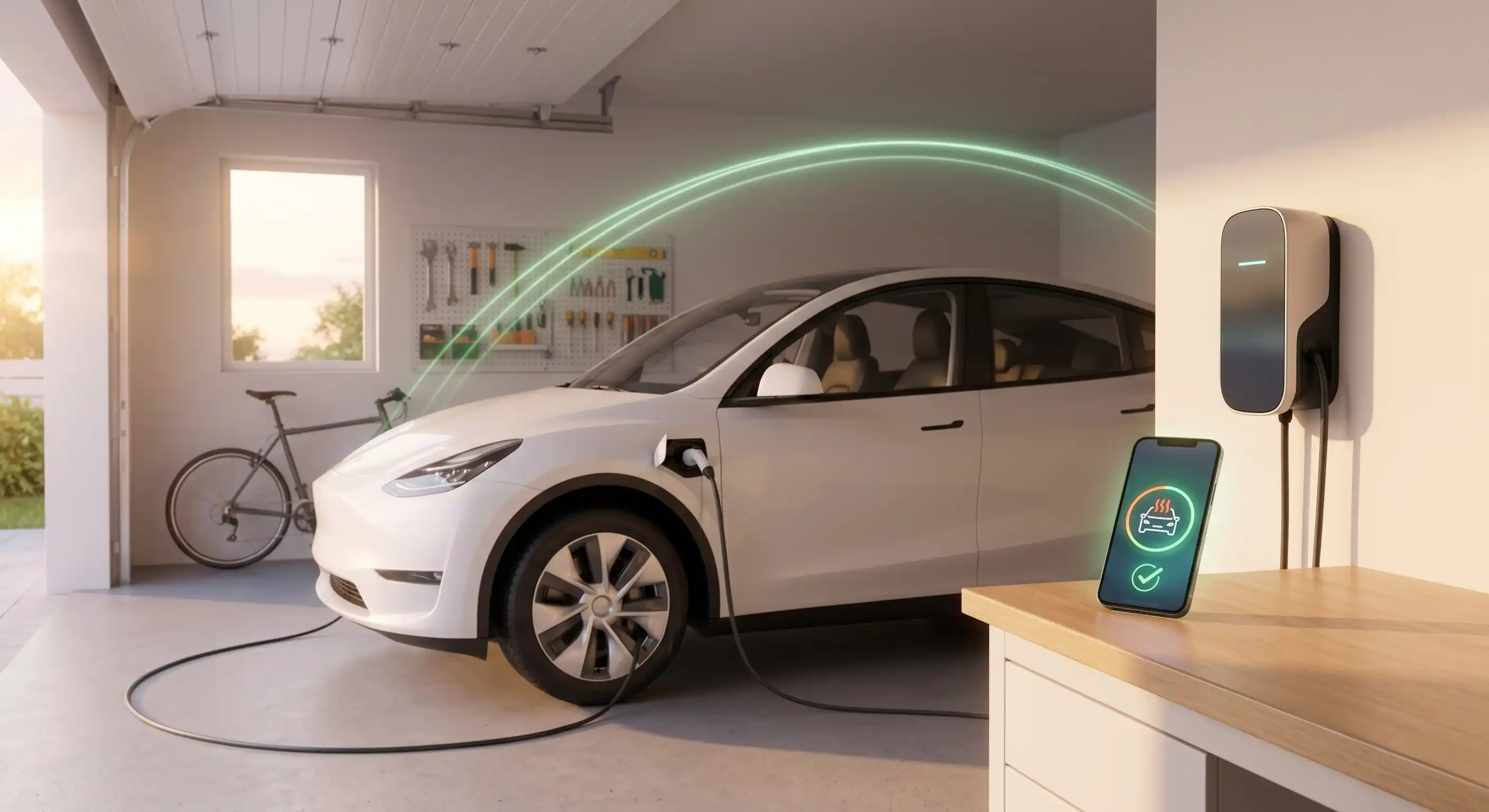
Why EVs Don’t Always Hit Their EPA Range
Electric Cars Worse Real World Range – Quick Market Intelligence
Cars that don’t hit EPA range share a few common traits, and most of them trace back to physics. So once you see the pattern, the gap stops feeling like a defect. Range testing in a lab simply cannot copy your daily commute.
How EPA Range Is Tested
EPA range comes from lab work on a rolling dynamometer, not a real road. So the cycle uses gentle acceleration and modest speeds. Testers run a city-and-highway blend, then apply an adjustment factor. The result looks great on paper. But it skips wind, hills, and cold air.
EPA vs Real-World Range: The Key Differences
The EPA number and the range you see on the road are measured in very different ways. This is where the gap comes from.
Short answer: EPA range is measured on a lab dynamometer using a city-and-highway blend whose highway portion tops out at 60 mph and averages about 48 mph, then adjusted. Real driving adds sustained 70 to 75 mph speeds, wind, hills, cargo and temperature. Even on the EPA’s own highway cycle, the ten EVs in this guide rate about 2% to 12% below their combined range, and FuelEconomy.gov says range at 20°F can drop about 12% without cabin heat and up to about 41% with the heater on (FuelEconomy.gov).
| Factor | EPA range test | Real-world driving |
|---|---|---|
| Where it runs | A lab dynamometer with no wind or hills | Real roads with wind, grades and traffic |
| Speed | A city and highway blend with gentle acceleration and modest speeds | Often a steady 70 to 75 mph on the highway |
| Temperature | Mild lab conditions | Summer heat and especially cold below 32F cut range |
| Climate control | Mostly covered by the adjustment factor | Heater or A/C running for the whole trip |
| Final number | The lab result multiplied by an adjustment factor | What your trip computer actually shows |
So the EPA figure works best as a way to compare one EV with another, not as a promise for your commute. On a mild day in mixed driving you may get close to it. But on a fast highway run, the loss is usually bigger than the EPA highway figure suggests, because the EPA highway test tops out at 60 mph and averages about 48 mph.
Electric Cars Worse Real World Range on the Highway
Highway ev range vs epa is where the gap grows widest. So at 75 mph, wind resistance climbs fast and highway efficiency drops hard. Even on the gentle EPA highway cycle, the ten EVs in our table rate about 2% to 12% below their combined figure, and a long 75 mph cruise usually costs more. That single fact explains most of the range loss on fast roads.
Cold Weather Penalty
Cold weather ev range loss surprises new owners every winter. So below 32F, the battery works harder while cabin heat steals energy. Department of Energy data on fueleconomy.gov shows range can drop by about 41% at 20F when the cabin heater runs. A quick pre-heat while plugged in helps a lot.
Electric Cars Worse Real World Range: 10 Big 2026 Offenders
Ev range disappointment usually peaks with big, heavy, boxy vehicles. So trucks show some of the biggest gaps between their combined and highway ratings. We list them with official EPA figures, not soft estimates.
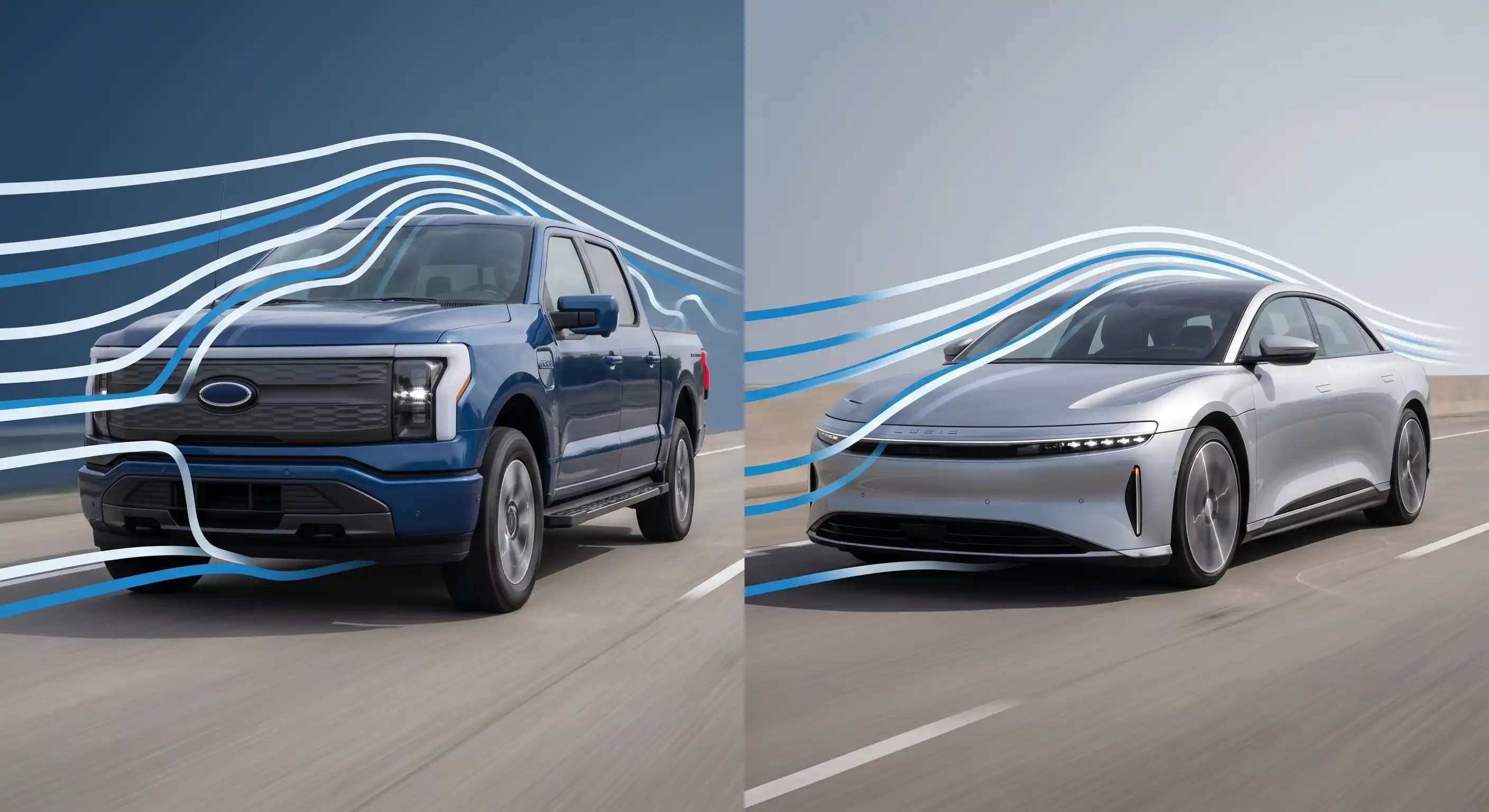
Quick-Reference Table (EPA vs Real-World)
The table below sets each model’s EPA highway-cycle range against its EPA combined rating. So you can spot the biggest range gaps at a glance. All figures come from fueleconomy.gov for the trim listed.
| Model | EPA Combined (mi) | EPA Highway (mi) | Gap |
|---|---|---|---|
| Ford F-150 Lightning ER (2025) | 320 | 283 | -12% |
| GMC Hummer EV Pickup 3X (2025) | 312 | 274 | -12% |
| Chevrolet Silverado EV Extended Range | 410 | 367 | -10% |
| Rivian R1T Quad Max (22 in) | 374 | 349 | -7% |
| Mercedes EQS SUV 4MATIC | 312 | 307 | -2% |
| Cadillac Lyriq AWD | 303 | 273 | -10% |
| VW ID.4 RWD | 291 | 264 | -9% |
| Hyundai Ioniq 6 RWD 18 in (2025) | 342 | 308 | -10% |
| Tesla Model 3 Premium RWD | 363 | 339 | -7% |
| Lucid Air Touring (19 in) | 431 | 424 | -2% |
Source: EPA ratings on fueleconomy.gov (2026 models; 2025 for the F-150 Lightning, Hummer EV and Ioniq 6). Sustained 70 mph-plus cruising and cold weather typically cut range further.
Trucks That Suffer the Most
Ev range less than advertised hits electric trucks the hardest, plain and simple. So a big battery still cannot beat a brick-shaped body at 70 mph. Every figure below comes from the EPA ratings in the table.
Ford F-150 Lightning
Ford lightning real range on the EPA highway cycle is 283 miles for the 2025 Extended Range truck, against its 320-mile combined rating. So a loaded bed or a trailer cuts it even more. It remains a capable truck, yet the math matters for road trips.
Rivian R1T
Rivian r1t real range for the 2026 Quad Max on 22-inch wheels is 349 miles on the EPA highway cycle, versus 374 combined. So the quad-motor setup trades some efficiency for thrills. Smaller wheels and the Conserve mode claw some of it back.
Chevrolet Silverado EV
The Silverado EV carries a giant pack, yet the Extended Range model still gives back about 10% on the EPA highway cycle. So its 410-mile combined rating becomes 367 highway miles before faster cruising takes more. That stays strong for a truck, but the gap is plain.
GMC Hummer EV
The Hummer EV looks unstoppable, then its weight and shape drink power fast. So the 2025 Pickup 3X rates 274 highway miles against 312 combined. Battery degradation can shave a touch more across the years.
SUVs With Big Range Gaps
Real world ev range 2026 data from the EPA shows the highway gap varies widely among electric SUVs. So height and weight team up against highway efficiency.
Cadillac Lyriq
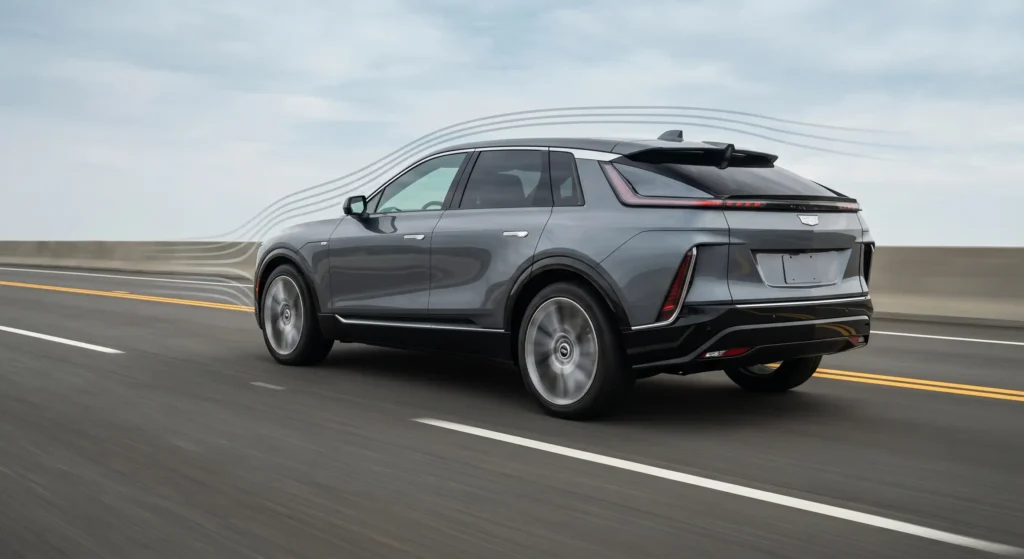
The 2026 Lyriq AWD rates 303 miles combined, yet 273 on the EPA highway cycle. So its smooth ride hides a thirsty highway habit. City driving stays much closer to the sticker.
Mercedes EQS SUV
The EQS SUV promises deep luxury and a 312-mile combined rating for the 2026 4MATIC model. So its 307-mile EPA highway figure shows one of the smallest gaps here. Its tall shape still costs more at sustained high speed.
VW ID.4 in Cold Climates
The 2026 ID.4 RWD rates 291 miles combined and 264 on the EPA highway cycle, then winter makes it worse. So cold weather ev range loss can push the drop much further. A heat pump, where fitted, eases that pain a bit.
Sedans With the Smallest and Largest Range Gaps
Electric car range data for 2026 holds a few happy surprises among sedans. So a slippery shape beats a tall body every single time. Aerodynamics rule the highway.
If you are shopping for efficient alternatives, our best hybrid sedans 2026 guide covers the top non-EV options that dodge the range gap problem entirely.
Tesla Model 3: Closer Than You Think
Tesla real world range shows one of the tighter gaps in the EPA data. So the 2026 Model 3 Premium RWD rates 339 highway miles against 363 combined. Strong ev efficiency mpge and clean aero explain the win.
Hyundai Ioniq 6: A Pleasant Surprise
The Ioniq 6 borrows that slippery shape and gets rewarded for it. The 2025 RWD model on 18-inch wheels rates 342 miles combined and 308 highway. Its very low drag does the heavy lifting.
2026 EVs That Come Closest to Their EPA Range
A short list of 2026 EVs flips the script and stays close to the sticker. So smart aero and efficient drivetrains make the difference. Their EPA highway figures sit within a few percent of the combined rating.
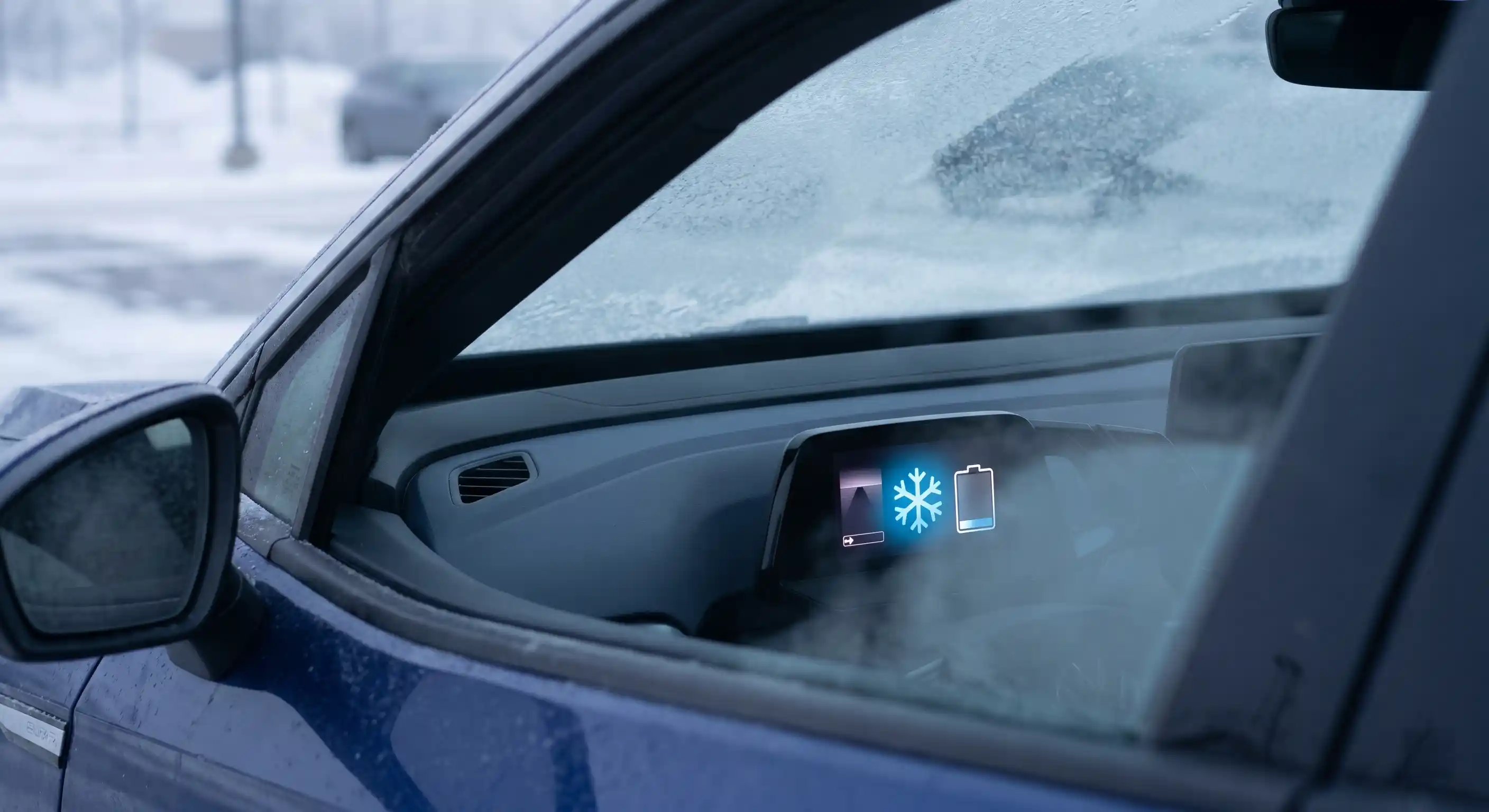
Lucid Air Touring
The 2026 Lucid Air Touring on 19-inch wheels rates 431 miles combined and 424 on the EPA highway cycle. So slippery aero and an efficient drivetrain keep the gap to about 2%. It ties the EQS SUV for the smallest gap in our table.
Tesla Model S Long Range
Tesla real world range shines again with the Model S. So the 2026 Model S rates 410 miles combined and 383 on the EPA highway cycle. Steady speed and warm weather help owners get close.
Hyundai Ioniq 5 N Trim
Hyundai ioniq 5 real range is modest with the sporty N badge: the 2026 Ioniq 5 N rates 221 miles combined and 202 highway. So gentle driving keeps it closer to the rating despite wide tires. Hard launches, of course, change that picture fast.
How to Maximize Real-World Range
Winning back real-world range comes down to a few easy moves. So small habits add up to big extra miles. Each one is easy to adopt on long trips.
Speed and Temperature Impact
Speed is the biggest lever you actually control. So dropping from 80 to 65 mph can add meaningful range, since aerodynamic drag rises sharply with speed. Warm the cabin while plugged in to dodge the worst winter losses.
Tire Pressure and Wheel Size
Tire pressure quietly shapes your range. So a few PSI low can cost real miles over a single week. Smaller wheels and low-rolling-resistance tires both lift highway efficiency.
Pre-Conditioning
Pre-conditioning warms or cools the cabin while you stay plugged in. So the battery starts at its happy temperature. That one step fights ev range anxiety on cold mornings.
What to Ask a Salesperson Before Buying
Smart questions expose a range gap before you ever sign. So treat the test drive like a real range test. Bring a short checklist every time.
First, ask for the highway rating, not just the combined EPA number. Secondly, request a consumer reports range test or another independent figure for that exact trim. Further, ask how wheel size and the heat pump change the estimate. And ask about battery degradation across five years. Likewise, ask how local driving conditions, like hills and heat, shift the result. Above all, confirm a real test loop, not a slow city demo.
For a broader shortlist of models worth asking about, our best electric and hybrid cars 2026 guide covers the top picks at every price point. And if your budget is tight, our best electric cars under $40,000 in 2026 page narrows the field fast.
The Bottom Line on Real-World Range
A real-world range gap is not a scandal, just plain physics meeting a friendly lab test. So shop with the highway number in mind, then add a 20% to 30% buffer for cold and speed. EPA data shows trucks giving up about 10% to 12% on the highway cycle alone, before faster speeds and cold take more, while a few aerodynamic models stay within about 2%.
As a result, the right pick depends on your trip, your climate, and your patience for charging stops. Most importantly, size up your battery if you drive far and fast. To sum up, the sticker starts the story, but the highway tells the truth. So read our 2026 EV buying guides next, then test drive with open eyes and a full checklist.
Frequently Asked Questions About Electric Cars Worse Real World Range
Do EVs hit their EPA range in real life?
Which 2026 EV has the worst real-world range vs EPA?
Why is my EV range less than advertised?
Do Teslas hit their EPA range?
Does cold weather really cut EV range?
Should I size up my battery for highway driving?
What are the differences between EPA range and real-world EV range?
Related guides: our electric vehicle hub and The 2025 Cadillac Optiq: Your New Favorite Electric SUV.
⚠️ Professional Notice:
All range figures in this article are official EPA combined and highway-cycle ratings from fueleconomy.gov; NextCarReview does not test vehicles. Results vary by driver behavior, ambient temperature, payload, terrain, and tire specification. The cold weather figure reflects DOE data at 20F with cabin heat and is not representative of all climates or seasons.
EPA range ratings are official figures published by the US Environmental Protection Agency and reflect standardized laboratory testing cycles. Real-world results will differ. Battery degradation figures are general estimates based on industry reporting and owner data. Actual degradation varies by charging habits, climate, and usage patterns. NextCarReview.com does not receive compensation from any manufacturer, dealer, or charging network in exchange for rankings or editorial coverage.
Data Sources and Verification
- EPA fuel economy and range ratings – US Environmental Protection Agency 2026 model year EV range data
- EPA highway-cycle range ratings for each trim listed – EPA test schedules
- OEM technical documentation – Ford, GM, Rivian, Mercedes-Benz, Cadillac, Volkswagen, Hyundai, Tesla, Lucid Motors official 2026 specifications
- Cold weather range data – fueleconomy.gov: Fuel Economy in Cold Weather
- Battery degradation data – industry owner reporting and third-party EV fleet tracking, 2024 to 2026

Morgan Reyes is the founder and editor-in-chief of NextCarReview, which Morgan launched in August 2024. A 2022 graduate of Columbia University, Morgan is based in New York and writes and edits the site’s reviews, comparisons and buying guides. Morgan does not road-test vehicles. Every article is built from published primary data: EPA FuelEconomy.gov ratings, NHTSA crash ratings, recalls and owner complaints, IIHS results, and manufacturer specifications and pricing, with each figure cited and checked before publication. Contact: admin@nextcarreview.com