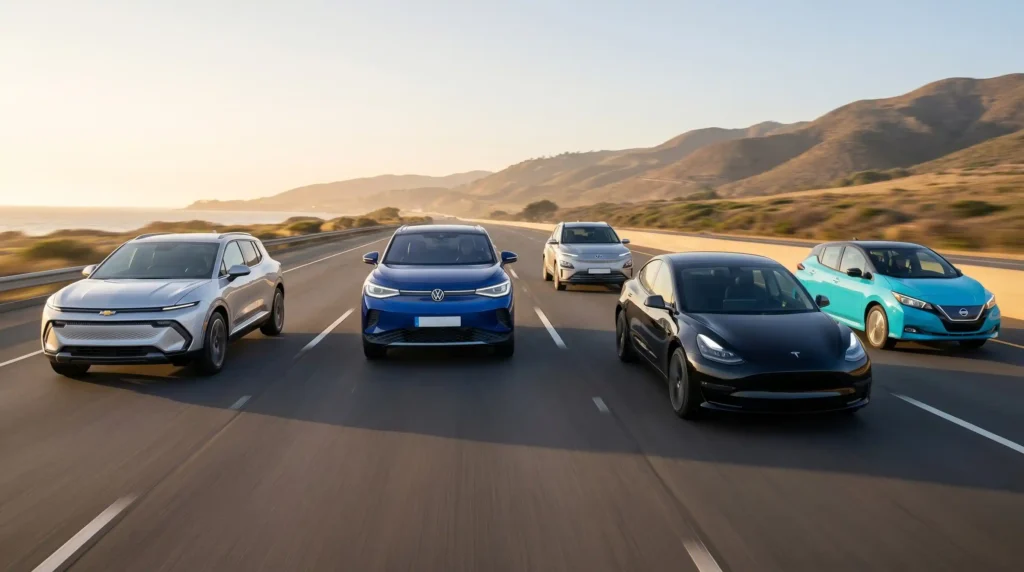
The best electric cars under $40000 2026 give US drivers real range, fast charging, and low running costs without a luxury price tag. So we ranked the top five for everyday buyers.
Top picks: Chevy Equinox EV ($34,995 | 319 mi | best overall SUV). Nissan Leaf S+ ($29,990 | 303 mi | most affordable EV). Tesla Model 3 RWD ($36,990 | 321 mi | best Supercharger access). Hyundai Kona Electric (check price | 261 mi | best compact EV). Important 2026 change: The $7,500 federal EV credit ended September 30, 2025. State and utility rebates still apply. The 30C home charger credit ended for property placed in service after June 30, 2026.
Figures cross-checked against EPA, NHTSA, IIHS and manufacturer sources. See our sourcing policy.
The best electric cars under $40000 2026 give US drivers real range, fast charging, and low running costs without a luxury price tag. So we ranked the top five for everyday buyers.
We checked sticker prices, EPA estimated range, charging speed, and the true EV total cost of ownership over 5 years. We also dug into one big change. The $7,500 federal EV credit is gone, so we explain what that means for you below.
Prices keep shifting in 2026. But the value is still there. Let us show you the winners.
Quick Verdict – Best EVs Under $40,000 (2026)
| Model | Starting MSRP | EPA Range | Federal Tax Credit (2026) | Best For |
|---|---|---|---|---|
| Chevy Equinox EV | $34,995 | 319 mi (FWD) | Ended Sept 2025 – state/utility only | Best overall SUV |
| Nissan Leaf (S+) | $29,990 | Up to 303 mi | Ended Sept 2025 – state/utility only | Most affordable EV |
| Tesla Model 3 (Standard RWD) | $36,990 | 321 mi | Ended Sept 2025 – state/utility only | Best Supercharger access |
| Hyundai Kona Electric | Check Hyundai | 261 mi | Ended Sept 2025 – state/utility only | Best compact EV |
| VW ID.4 (Pro) | ~$45,095 | 291 mi | Now above $40K – see notes | Roomy SUV via lease deals |
| Analysis | Editorial Standard Verified ✔️ | Sources: OEM press materials, EPA FuelEconomy.gov – June 2026. All prices exclude destination fees. Confirm current pricing with your dealer before purchase. | |||
The IRS clean vehicle tax credit for new EVs ended on September 30, 2025. The $7,500 federal EV credit no longer applies to cars bought in 2026. State and utility rebates still apply in many areas. Check the Department of Energy incentive database for your zip code. Source: IRS, U.S. Department of Energy, June 2026.
How We Ranked the Best Electric Cars Under $40000 2026
We did not just copy spec sheets. So we built a method to rank the best electric cars under $40000 2026 for real US buyers. We weighed five things: price after fees, real-world range, charging speed, running cost, and safety. Then we ranked each EV against the next.
We also focused on daily life. Most people charge at home and drive to work. So commuting value mattered more to us than 0-60 bragging rights.
Why Real-World Range Matters More Than EPA Range
EPA estimated range is the headline number. But it is a lab figure. Your real number depends on speed, heat, and cold. So expect real-world range to differ from the sticker claim.
Highway speed eats range fastest. Cold weather hurts too. However, EVs with a heat pump hold up better in winter, which protects EV winter range. So we reward cars that stay close to their EPA number on the road.
How the $7,500 IRS Tax Credit Works in 2026
Here is the news many buyers miss. The IRS clean vehicle tax credit for new EVs ended on September 30, 2025. So the $7,500 federal EV credit no longer applies to cars bought in 2026.
The old rules included an MSRP cap for EV credit eligibility and income limits. But those purchase credits are now closed for new buyers. So no new electric cars under $40k are tax credit eligible at the federal level this year. Still, you have options, and we cover them later.
What Level 2 Charging at Home Actually Costs
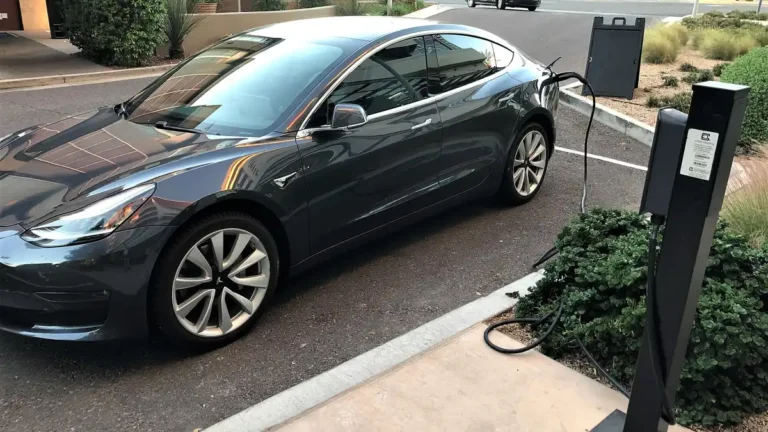
Most owners plug in at home. So Level 2 charging is the heart of EV life. A 240-volt home charger adds dozens of miles per hour overnight.
The home charging installation cost usually runs $1,000 to $2,000, plus the unit. The federal 30C charger credit ended for property placed in service after June 30, 2026, so look for utility rebates instead. So home charging stays the cheapest way to fuel any EV.
Chevy Equinox EV 2026 – Best Overall Under $40,000

The Chevy Equinox EV leads our list of the best electric cars under $40000 2026. It blends SUV space, long range, and a low price. So families get a lot for the money.
Equinox EV Price and Trim Levels
The Equinox EV starts at $34,995 for the LT trim. That price includes the 85 kWh battery capacity and the full range. Higher trims add comfort and tech. But even the base car feels well equipped.
Equinox EV Real-World Range Test Results
Chevy rates the FWD model at 319 miles of EPA range. The AWD version drops to 307 miles. Expect less at sustained 70 mph highway speeds. So this SUV easily covers a full week of commuting.
Equinox EV Charging Speed – Level 2 and DC Fast
At home, Level 2 charging adds about 34 miles per hour. On the road, DC fast charging speed peaks near 150 kW. That adds roughly 77 miles in 10 minutes. Check whether your build has a NACS port or uses an adapter for Tesla Supercharger access on trips.
Is the Equinox EV Tax Credit Eligible in 2026?
No federal purchase credit applies in 2026, since the program ended in 2025. However, several states and utilities still offer rebates. So check your local programs before you buy.
Nissan Leaf 2026 – Most Affordable EV in the US

The all-new 2026 Nissan Leaf is the cheapest way into a modern EV. It is also one of the cheapest EVs with good range 2026 shoppers can find. So budget buyers should start here.
For our in-depth Nissan Leaf range analysis covering highway, cold weather, and real-world tests by region, see our 2026 Nissan Leaf range full guide.
Nissan Leaf Price – Standard vs Plus Range
The Leaf S+ starts at $29,990, one of the lowest EV stickers on sale today. The SV+ lands near $34,230. Both use a 75 kWh pack and reach up to 303 miles. So this is a real long-range car, not a city runabout.
Nissan Leaf Range in Cold Weather – What US Buyers Need to Know
Cold weather cuts range on every EV. The Leaf is no exception. However, the new model adds active battery cooling and better thermal control. So winter range loss is far smaller than on the old Leaf, which helps northern US buyers.
Nissan Leaf vs Chevy Equinox EV – Which to Buy
This is the classic Chevy Equinox EV vs Nissan Leaf 2026 matchup. The Leaf wins on price and is easier to park. The Equinox EV wins on cargo space and SUV practicality. So pick the Leaf to save money, and pick the Equinox for room.
| Comparison | Nissan Leaf S+ | Chevy Equinox EV LT | Pick |
|---|---|---|---|
| Starting price | $29,990 | $34,995 | Leaf (saves $5,005) |
| EPA range | 303 miles | 319 miles (FWD) | Equinox (16 mi more) |
| Body style | Hatchback | SUV | Equinox (more cargo) |
| Parking | Easier – smaller | Larger | Leaf (city use) |
| Supercharger access | Check Nissan | Port or adapter, by build | Check both |
| verdict | Best value – lowest price | Best overall – SUV practicality | Depends on priority |
Source: Nissan and Chevrolet OEM press materials, EPA FuelEconomy.gov, June 2026.
Tesla Model 3 RWD 2026 – Strong Range Under $40,000

The Tesla Model 3 stays a smart buy in 2026. The Standard RWD trim sits right under budget. So it ranks high among the best electric cars under $40000 2026.
Tesla Model 3 Price and What You Actually Pay After Incentives
The Standard RWD lists at $36,990 before fees. The longer-range Premium RWD reaches 363 miles, but it costs $42,490. So that trim slips just over the $40K line.
Supercharger Network Advantage for US Road Trips
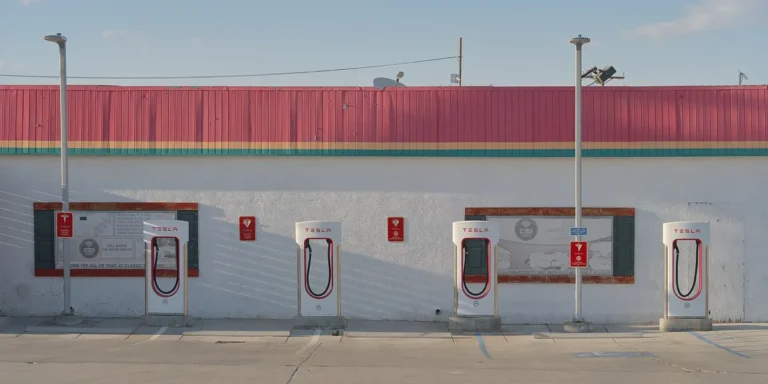
Tesla still runs one of the largest fast-charging networks in the country. So Tesla Supercharger access makes road trips simple and fast. You also get strong one-pedal driving through regenerative braking.
Tesla Model 3 vs Chevy Equinox EV
The Model 3 is a sporty sedan. The Equinox EV is a roomy SUV. The Tesla charges faster and drives sharper. However, the Chevy hauls more gear. So your body style and trip needs to decide this one.

For buyers interested in what Hyundai is planning beyond the Kona Electric, see our Hyundai Ioniq 6 N release date, price, and specs guide for the performance EV coming to the US market.
Volkswagen ID.4 2026 – The SUV That Slipped Past $40K

We need to be straight with you here. The 2026 VW ID.4 was meant to be a top pick among the best electric cars under $40000 2026. But VW dropped the entry trim, so the base Pro now starts near $45,095. So it no longer fits the budget on sticker price alone.
ID.4 Price and Federal Tax Credit Status
At $45,095, the ID.4 is above our cap. The federal credit is also gone. However, dealers may offer lease cash and cash-back deals, which vary by region. So a lease can still bring the monthly cost into budget range.
ID.4 Real-World Range vs EPA Rating
The RWD ID.4 carries an 82 kWh battery and an EPA rating of 291 miles. It also offers huge cargo space, more like a small wagon than a hatchback. So shoppers who need room may still want a look, just not at full price.
EV Total Cost of Ownership – What Each Model Costs Over 5 Years
Sticker price is only half the story. So we modeled the EV total cost of ownership 5 years out. Fuel and upkeep make the best electric cars under $40000 2026 cheaper than gas cars over time.
Electricity Cost vs Gas Cost Per Mile – US National Average
Home charging costs about 5 to 6 cents per mile at the US average rate near $0.17 per kWh. A gas SUV often costs 12 to 18 cents per mile. So the charging cost per mile vs gas gap saves most drivers $800 to $1,200 a year.
| Cost Category | EV (Home Charging) | Comparable Gas SUV | Annual EV Saving |
|---|---|---|---|
| Cost per mile (fuel) | 5-6 cents | 12-18 cents | $800-$1,200/yr |
| Oil changes | None | $120-$200/yr | $120-$200/yr |
| Belt and exhaust repairs | None | Varies | Significant over 5 yrs |
| Brake pads | Extended life (regen braking) | Standard replacement | Moderate saving |
| Home charger install | $1,000-$2,000 (one time) | N/A | Offset by fuel savings yr 2+ |
Source: US national average electricity rate $0.17/kWh, EV cost analysis, June 2026.
Why the Best Electric Cars Under $40000 2026 Cost Less to Maintain
EVs skip oil changes, belts, and exhaust repairs. Regenerative braking also saves your brake pads. So service bills drop sharply over five years.
Insurance Cost for EVs Under $40,000
Insurance can run a little higher on EVs. But affordable models like the Leaf and Equinox EV stay reasonable. So shop a few quotes before you sign.
EV Incentives in 2026 – What Replaced the Federal Credit
The big federal program is over. However, real savings still exist. So do not skip this step.
Where the Savings Live Now
State rebates, local programs, and utility discounts can knock thousands off your price. So check the Department of Energy incentive database for your zip code. Utilities often pay for chargers too.
The Home Charger Credit Still Counts
The 30C home charger credit covers part of your install cost. But it ended for chargers placed in service after June 30, 2026. Utility rebates may still help.
How to Get the Best Deal at the Dealership
Use market data as leverage. Bring up dealer cash, lease offers, and rival pricing. So you negotiate on real numbers, not on a credit that no longer exists.
- Federal purchase credit: Ended September 30, 2025 – no longer available for new purchases
- State rebates: Still active in many states – check your zip code at the DOE incentive database
- Utility discounts: Many utilities pay for chargers or offer EV rate plans – check your utility’s website
- 30C home charger credit: Ended for property placed in service after June 30, 2026
- Dealer cash and lease offers: VW ID.4 in particular may have cash deals
- Negotiation tip: Use rival pricing and dealer cash data – the $7,500 credit is gone, so leverage real market numbers instead
The bottom line: the best electric cars under $40000 2026 prove you no longer need a big budget to drive electric. So if you want the best overall pick, choose the Chevy Equinox EV. If you want the lowest price, grab the Nissan Leaf. Either way, run your local rebate numbers, book a test drive this week, and lock in your deal before model-year stock runs low.
For the full electric and hybrid car overview at every price point, see our best electric and hybrid cars 2026 guide.
Frequently Asked Questions – EVs Under $40,000
Which is the best value electric car 2026?
What is the best EV for US commuters 2026?
Are any electric cars under $40k tax credit eligible in 2026?
Do these EVs work with Apple CarPlay?
- Best EV SUVs Under $50,000 in 2026
- Nissan Leaf 2026 Range: Full Real-World Guide
- Hyundai Ioniq 6 N: Release Date, Price, and Specs
Cheapest EVs With the Longest Range | EV vs Hybrid – Which Saves More Money | Best Home EV Chargers for 2026
Related guides: more EV reviews and guides and Nissan Leaf Crossover Review: Release Date, Range, NACS Charging, P….
⚠️ Professional Notice:
All MSRP figures are from OEM press materials as of June 2026 and exclude destination fees unless noted – confirm current pricing with your local dealer before purchase. EPA range figures are produced under standardized lab test conditions – actual real-world range varies with driving speed (highway speed cuts range significantly), temperature, climate control use, and driving style.
Real-world highway range estimates provided (both are lower at sustained highway speed) are general assessments – your results will differ. Federal IRS clean vehicle tax credit ended September 30, 2025 – no $7,500 federal purchase credit is available for new EV purchases in 2026. State and utility rebate availability varies by location – always verify current programs at your local utility and the U.S.
DOE incentive database before purchase. The 30C home charger tax credit ended for property placed in service after June 30, 2026 – confirm with a tax professional. Home charging installation cost estimate ($1,000-$2,000) is a general market range – actual costs vary by home wiring, location, and installer. Charging cost estimate (5-6 cents/mile at $0.17/kWh national average) will vary with your local electricity rate. Annual fuel savings ($800-$1,200) are estimates at current national average rates – your savings depend on local electricity and gas prices, annual mileage, and driving habits.
VW ID.4 dealer cash and lease deal availability varies by region and dealer – confirm current offers before visiting. Insurance cost statements are general observations – your actual premium depends on driving record, location, and coverage. Safety ratings from IIHS.org and NHTSA.gov were current as of June 2026 – verify your specific trim before purchase. NextCarReview.com does not receive compensation from any manufacturer in exchange for rankings or editorial coverage.
Data Sources and Verification
- EPA FuelEconomy.gov – Official EPA range estimates: Equinox EV FWD (319 mi), Nissan Leaf S+ (303 mi), Tesla Model 3 RWD (300+ mi), Hyundai Kona Electric (261 mi), VW ID.4 Pro RWD (291 mi)
- IRS.gov – IRS clean vehicle tax credit end date confirmation (September 30, 2025); 30C home charger credit end date (property placed in service after June 30, 2026)
- U.S. Department of Energy – State and utility EV incentive database; home charging cost data at $0.17/kWh national average
- IIHS.org – Safety ratings reference for all five models
- NHTSA.gov/ratings – 5-Star Safety Ratings reference
- Chevrolet OEM Press Materials (June 2026) – Equinox EV: $34,995 MSRP LT, 85 kWh battery, 319 mi FWD / 307 mi AWD EPA, Level 2 ~34 mph add rate, DC fast 150 kW peak (~77 mi in 10 min), Supercharger access via NACS port or adapter
- Nissan OEM Press Materials (June 2026) – Leaf S+: $29,990 MSRP, SV+: ~$34,230, 75 kWh pack, 303 mi EPA, active battery cooling, improved thermal control vs old model
- Tesla OEM Press Materials (June 2026) – Model 3 Standard RWD: $36,990 MSRP, 321 mi EPA; Premium RWD: $42,490, 363 mi EPA
- Hyundai OEM Press Materials (June 2026) – Kona Electric: 261 mi EPA (2025 model), wireless CarPlay standard
- Volkswagen OEM Press Materials (June 2026) – ID.4 Pro: ~$45,095 MSRP (entry trim dropped for 2026), 82 kWh battery, 291 mi EPA, Pro RWD $45,095 MSRP
- EV Total Cost of Ownership Analysis (June 2026) – 5-cent/mile home charging vs 12-18 cent/mile gas SUV cost; $800-$1,200 annual fuel saving estimate; maintenance cost differential (no oil, belts, exhaust; extended brake life)

Morgan Reyes is the founder and editor-in-chief of NextCarReview, which Morgan launched in August 2024. A 2022 graduate of Columbia University, Morgan is based in New York and writes and edits the site’s reviews, comparisons and buying guides. Morgan does not road-test vehicles. Every article is built from published primary data: EPA FuelEconomy.gov ratings, NHTSA crash ratings, recalls and owner complaints, IIHS results, and manufacturer specifications and pricing, with each figure cited and checked before publication. Contact: admin@nextcarreview.com