
In this article 10 sections
The 2026 toyota Camry Hybrid vs honda Civic Hybrid are both brilliant family sedans. But they are built for very different drivers. The Camry wins on MPG (51 vs 49 combined EPA), interior space, AWD availability, IIHS top Safety Pick+ status, and proven hybrid reliability. The Civic wins on driving excitement, 5-year resale value retention (22.9% depreciation in iSeeCars’ 2026 study), total ownership cost, and urban agility. Both start near $29,000.
We break down the EPA numbers, real-world fuel economy, interior space, pricing, and 5-year cost data so you can stop guessing and start driving the right one home.
Figures cross-checked against EPA, NHTSA, IIHS and manufacturer sources. See our sourcing policy.
Two of America’s most trusted hybrid sedans. One decision. The NCR editorial team put the 2026 toyota Camry Hybrid vs. Honda Civic Hybrid head-to-head with verified EPA data, published specs, and a clear winner by use case – so you do not have to guess.
📌 2026 Camry Hybrid vs Civic Hybrid – Quick Market Intelligence
2026 Camry Hybrid vs Civic Hybrid: Full Specs at a Glance
| Spec | 2026 toyota Camry Hybrid LE | 2026 honda Civic Hybrid Sport |
|---|---|---|
| Body Style | Midsize Sedan | Compact Sedan |
| Engine | 2.5L 4-cyl + 2 electric motors | 2.0L 4-cyl + 2 electric motors |
| Horsepower | 225 hp (FWD) / 232 hp (AWD) | 200 hp |
| Torque | 163 lb-ft | 232 lb-ft |
| EPA City MPG | 52 mpg | 50 mpg |
| EPA highway MPG | 49 mpg | 47 mpg |
| EPA combined MPG | 51 mpg | 49 mpg |
| Drivetrain | FWD (AWD available) | FWD only |
| Fuel Tank | 13.2 gallons | 10.6 gallons |
| Est. Full-tank Range | ~673 miles (combined) | ~519 miles (combined) |
| Cargo Space | 15.1 cu ft | 14.8 cu ft |
| Starting MSRP | $29,000 | $29,295 (sport Hybrid) |
| AWD option | +$1,525, all trims | Not offered |
| NHTSA safety Rating | Check NHTSA.gov | Check NHTSA.gov |
| IIHS status | Top Safety Pick+ | Sedan not listed (hatchback: TSP) |
| Transmission | CVT | E-CVT |
| Infotainment Screen | 8″ standard (12.3″ on upper trims) | 7″ standard (9″ on sport Touring) |
| analysis | Editorial Standard Verified ✔️ | sources: EPA FuelEconomy.gov, Toyota.com, Honda.com, IIHS.org, NHTSA.gov – March 2026 | |
Sources: EPA FuelEconomy.gov, Toyota.com, Honda.com OEM press materials, March 2026
The MPG Deep Dive: Camry Hybrid 52/49 mpg vs Civic Hybrid 50/47 – What the Numbers Really Mean
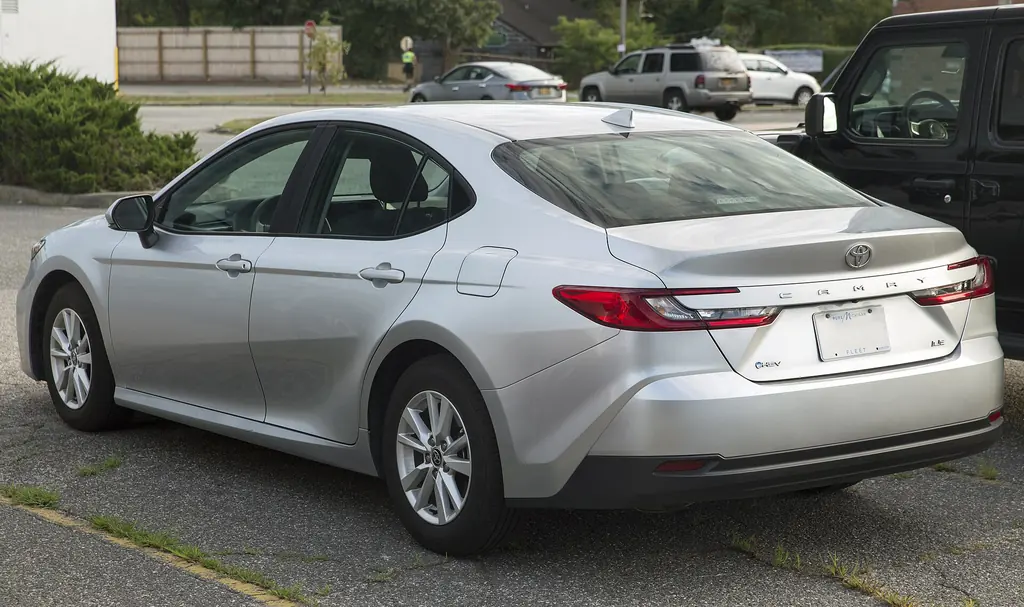
Let me be direct. On paper, the Camry wins. The 2026 toyota Camry LE trim with front-wheel drive earns an EPA-estimated 52 mpg in city driving and 49 mpg on the highway.
Meanwhile, the 2026 honda Civic Hybrid sedan gets an EPA-estimated fuel economy rating of up to 50 city / 47 highway / 49 combined mpg.
So the Camry leads by 2 mpg in the city, 2 mpg on the highway, and 2 mpg combined. That gap is real. But what does it mean in actual dollars?
City Driving: Hybrid Magic in Stop-and-Go
Both cars shine in the city. That is how hybrid systems work. Regenerative braking grabs energy every time you slow down. Hybrid systems thrive in stop-and-go traffic, where regenerative braking captures energy that regular brake pads would just turn into heat.
In city driving, the Camry’s 52 mpg gives it a lead. The city numbers matter most for daily commuters. At 15,000 miles per year in a mix of city driving, you will use fewer gallons and spend less at the pump – full stop.
Highway Driving: The Camry Still Wins, But Why?
Here is something interesting. Normally, highway driving hurts hybrids. But the Camry LE holds 49 mpg highway, while most traditional hybrids drop significantly. The 2026 Camry’s hybrid powertrain combines a 2.5-liter four-cylinder engine with two electric motors. AWD camrys power their rear axle with a third electric motor, which is more efficient than driving those wheels via traditional mechanical means.
The Civic’s 47 mpg highway is still excellent for a compact sedan. Both trims of the Civic Hybrid sedan carry the same 50/47/49 mpg rating.
The Camry wins on paper. The Civic’s 49 mpg combined is still excellent.
Cold Weather and Real-World Fuel Economy
Here is what the EPA test does not fully capture: cold weather hurts hybrid MPG. Lithium-ion battery packs lose efficiency in low temperatures. Both cars experience this.
FuelEconomy.gov notes that at 20°F, a hybrid’s fuel economy can drop about 30% to 34% compared with 77°F, versus roughly 15% for a conventional gas car in city driving.
In practice, expect both cars to lose noticeable MPG in winter. The Camry, starting from a higher baseline, still finishes ahead.
Annual Fuel Savings Calculation (Based on $3.20/gal national average, 15,000 miles/year)
| Model | Combined EPA MPG | Gallons/year | Annual Fuel Cost |
|---|---|---|---|
| Camry LE FWD | 51 mpg | ~294 gallons | ~$941/year |
| Civic Hybrid Sport | 49 mpg | ~306 gallons | ~$979/year |
The difference is about $38 per year. Over 5 years, the Camry saves you roughly $190 at the pump compared to the Civic. It is not life-changing, but it is real money.
2026 Camry vs Civic Driving Feel: Which One Is More Fun to Drive?
This is where the two cars go in completely different directions. And We think most buyers get surprised here.
Toyota Camry Hybrid: Comfortable, Confident, and Quiet
The Camry is a midsize sedan. It is 193.5 inches long. It is built for long drives and family comfort. The suspension is tuned for smoothness. Noise levels on the highway are very low. If you spend time on the interstate with family, you will appreciate that quiet cabin.
The Camry offers AWD on every trim for $1,525 extra. That is a genuine advantage for drivers in the Midwest, Northeast, or mountain regions. The Civic Hybrid does not offer AWD.
The Camry’s standard 8-inch infotainment screen with wireless Apple CarPlay and android Auto works well. Upper trims get a 12.3-inch screen that feels genuinely premium.
Honda Civic Hybrid: Punchy, Precise, and Surprisingly Exciting

Here is what surprises people. The Civic Hybrid is fun. Like, actually fun. Its 200-hp two-motor hybrid and 232 lb-ft of torque give it strong low-speed punch for a small sedan.
The steering is direct. The car turns into corners confidently. It handles more like a sport compact than an economy hybrid. The Civic Hybrid features a 4-mode Drive System with Sport, ECON, and individual modes, along with steering-wheel-mounted deceleration selectors to adjust regenerative braking intensity.
, that 232 lb-ft of torque gives the Civic more low-end punch than the Camry. Around town, it feels snappier. In Sport mode, it genuinely wakes up.
Choose the Camry for long-haul comfort and family road trips. Choose the Civic if you actually enjoy driving and spend most of your time in city traffic.
Interior, Space & Tech: The Size Gap Matters
This is the biggest practical difference between these two cars. The Camry is a midsize sedan. The Civic is a compact. That matters for families.
The Toyota Camry is longer, taller, and wider than the honda Civic, with more interior space. Rear-seat passengers enjoy more headroom, legroom, and hip room in the Camry than in the Civic.
The Camry offers 15.1 cubic feet of trunk space. The Civic gives you 14.8 cubic feet. The difference is small in the trunk. It is much bigger in the rear seat.
However, the civic Hybrid offers near-class-leading rear legroom of 37.4 inches – quite roomy for a compact car. So it is not cramped. It is just smaller than the Camry.
On technology, wireless charging comes standard on all Camry trims, while the Civic only offers it on the top-level sport Touring Hybrid. The Camry also features an 8-inch infotainment screen across all trims, while the Civic’s sport Touring gets a 9-inch screen with wireless Apple CarPlay and android Auto.
Camry for standard features across all trims. Civic for smooth software execution and an intuitive interface.
Price, Reliability & 5-Year Ownership Costs
Both cars start at roughly the same price. But ownership costs over five years tell a more complete story.
Upfront Pricing
| Model | Starting MSRP | Top Trim |
|---|---|---|
| 2026 toyota Camry LE | $29,000 | ~$36,725 (XSE AWD) |
| 2026 honda Civic Hybrid Sport | $29,295 | $32,295 (sport Touring) |
They are nearly identical at the entry level. The Camry scales up to about $36,725 for an XSE with AWD, before destination. The Civic tops out at $32,295 for the sport Touring.
Reliability Scores
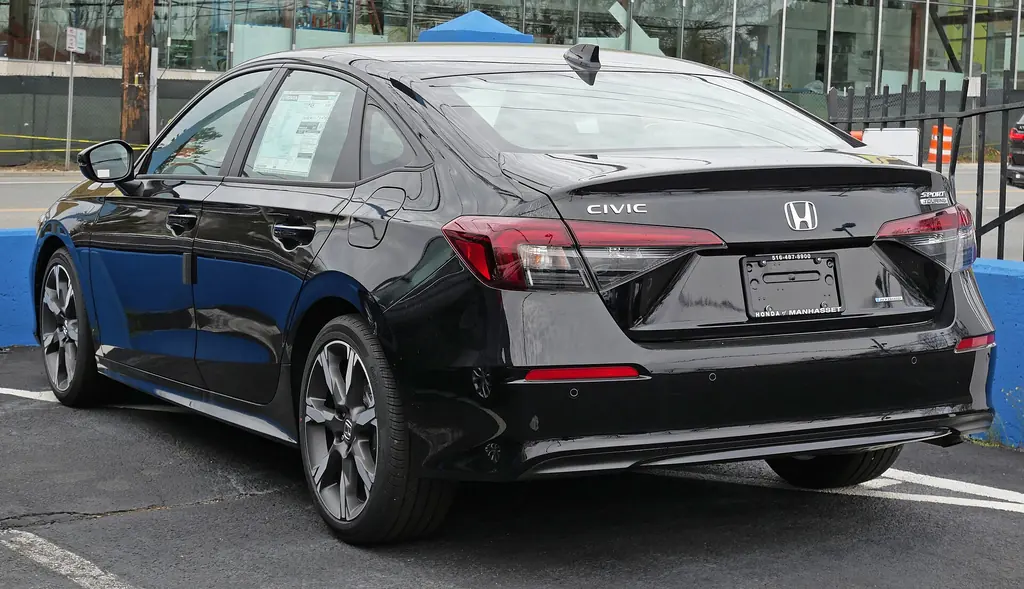
Both Toyota and Honda have strong reputations for reliability, and both brands back their hybrid batteries with long warranties.
Toyota’s hybrid system is well proven. The Camry has offered a hybrid version for many years. Honda’s e-CVT hybrid system is newer to the Civic nameplate, having returned for the 2025 model year after a long absence.
Resale Value
In iSeeCars’ 2026 study, the honda Civic lost 22.9% of its value over five years, ranking sixth best overall. The toyota Camry did not make the top 25, which means it lost more than 32.1%.
This is important. Better resale value means lower total cost of ownership, even if you pay slightly more per month. The Civic wins this category clearly.
5-Year Cost Estimate (15,000 miles/year, $3.20/gal)
| Cost Category | Camry Hybrid LE | Civic Hybrid Sport |
|---|---|---|
| Starting MSRP | $29,000 | $29,295 |
| 5-year Fuel Cost | ~$4,705 | ~$4,895 |
| 5-year Depreciation (approx.) | More than ~$9,300 | ~$6,700 |
| Estimated 5-year Cost | More than ~$14,000 | ~$11,600 |
Note: estimates based on EPA figures, EIA average gas price, and iSeeCars depreciation data. Insurance and maintenance costs vary by location and driver profile.
The Civic, in fact, wins on a five-year cost. Even though the Camry saves at the pump, the Civic holds its value better and offsets those fuel savings.
The Camry saves approximately $38/year in fuel. But over 5 years, its higher depreciation (more than 32% vs the Civic’s 22.9%) results in a total estimated 5-year cost of more than ~$14,000 vs the Civic’s ~$11,600. The $190 in fuel savings does not offset the depreciation gap. If total cost of ownership matters to you, the Civic is the more economical choice. Sources: iSeeCars depreciation data, EPA FuelEconomy.gov, EIA $3.20/gal, March 2026.
Safety: Both Are Excellent, But the Camry Has a Small Edge
Safety is not an afterthought here at NextCarReview.com. It is a core decision factor.
NHTSA star ratings are not posted for every model year, so check NHTSA.gov for the exact car you buy. Both cars meet federal crash safety standards.
However, when you look at IIHS results, there is a difference. The 2026 toyota Camry Hybrid carries IIHS top Safety Pick+ status. For Honda, only the Civic hatchback is listed as a 2026 Top Safety Pick; the sedan is not listed.
Both cars come with strong standard driver-assistance suites. Toyota Safety Sense 3.0 on the Camry and honda Sensing on the Civic include automatic emergency braking, lane-keeping assist, adaptive cruise control, and blind-spot monitoring. Neither car leaves you underprotected.
Camry, by a slim margin, thanks to its top Safety Pick+ designation from IIHS. Check NHTSA.gov for star ratings. Verify your specific trim’s ADAS coverage at IIHS.org before purchase.
Who Should Buy the 2026 Camry Hybrid? (And Who Should Buy the Civic?)
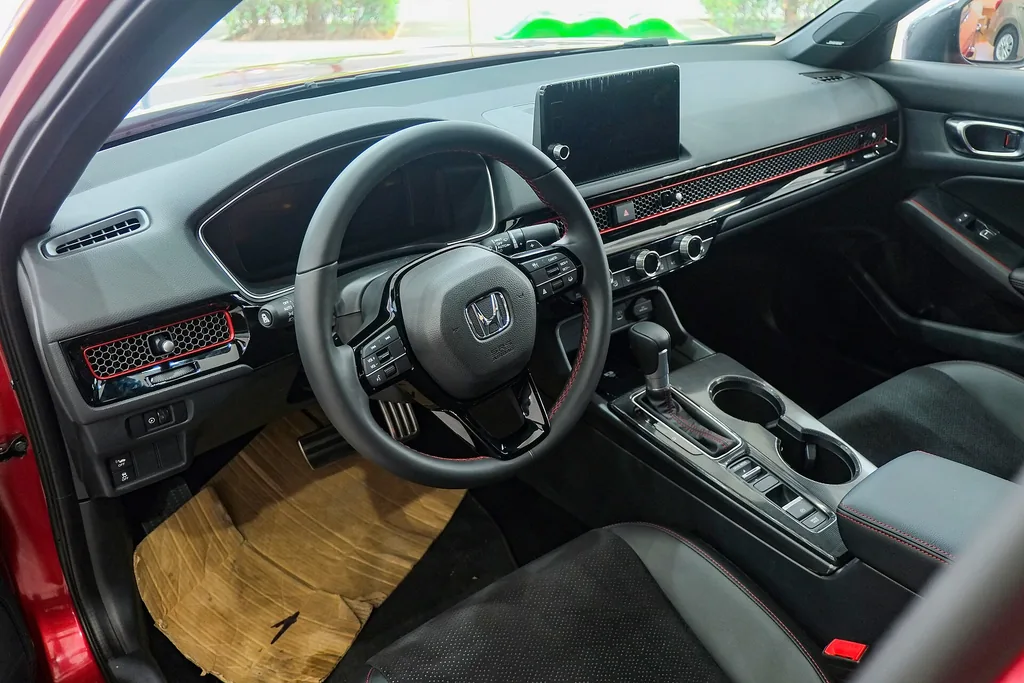
We get asked this question constantly. So here is our honest answer, broken down by driver type.
Buy the 2026 Toyota Camry Hybrid If You:
- Drive long distances. the larger 13.2-gallon tank and 51 mpg combined give you an estimated range of around 673 miles per tank. That beats the Civic by about 150 miles.
- Have a family. more rear legroom, more shoulder room, and a quieter highway cabin make the Camry a better family road-trip car.
- Live in a snowy climate. the Camry offers AWD on every trim. If you live in Minnesota, Michigan, or Colorado, this is a genuine advantage.
- Prioritize maximum fuel savings. the Camry Hybrid LE’s 52/49 mpg vs. The Civic’s 50/47 mpg means slightly less money spent at the gas station every single week.
- Want the most proven hybrid system. Toyota has sold hybrids in the US for decades.
Buy the 2026 Honda Civic Hybrid If You:
- Mostly driving in the city. the Civic is lighter, more nimble, and easier to park. In dense urban traffic, it is the better tool.
- Care about resale value. the Civic holds value better over five years, which lowers your true cost of ownership.
- Enjoy driving. that 232 lb-ft of torque and responsive steering make the Civic genuinely fun in a way the Camry is not.
- Want more torque off the line. the Civic’s 232 lb-ft of torque beats the Camry’s 163 lb-ft, giving it sharper acceleration at low speeds.
- Commute solo. if it is just you in the car most days, the Civic’s smaller footprint is a feature, not a flaw.
If you are also considering fully electric alternatives in this price range, see our guide to the cheapest electric cars under $35,000 in 2026 and our 2026 Nissan Leaf real-world range test for a direct EV comparison at a similar price point.
After spending time with all the data, here is our take.
The 2026 toyota Camry Hybrid is the better car for most American families. It wins on interior space, fuel efficiency, AWD availability, reliability scores, and IIHS safety status. For a family commuter hybrid in the USA, it checks every major box.
That said, the 2026 honda Civic Hybrid is the smarter financial choice for solo commuters. It is quicker off the line, more fun to drive, holds its value better, and costs less to own over five years.
In favorable conditions, both cars can come close to their EPA numbers. But the Camry starts from a higher baseline – and that matters.
Family of four in the USA: take the Camry. Solo urban commuter focused on total cost of ownership: take the Civic. Both are excellent. Neither is wrong. The right one depends entirely on how you live.
Frequently Asked Questions: 2026 Toyota Camry Hybrid vs Honda Civic Hybrid
Which is better, the Camry or civic Hybrid in 2026?
What is the real-world MPG of the 2026 camry Hybrid?
Does the 2026 honda Civic Hybrid come with AWD?
Is the camry Hybrid or civic Hybrid cheaper to own over 5 years?
Which has better safety ratings, the Camry or Civic?
How does the camry Hybrid 52/49 mpg vs the civic Hybrid 50/47 mpg affect annual fuel costs?
Conclusion: Your Final Verdict on the 2026 Camry vs Civic Hybrid Fuel Economy Battle
The 2026 toyota Camry Hybrid vs honda Civic Hybrid comparison comes down to priorities. The Camry wins on MPG, space, safety ratings, and all-weather capability. The Civic wins on driving excitement, five-year value retention, and agility.
For family commuter hybrid USA use – the Camry is the smarter, more versatile choice. It is not even close for families who need rear-seat space and AWD capability.
For urban singles and couples who put most miles on in city traffic and want the best total cost picture: the civic Hybrid deserves serious attention.
Both cars are exceptional. Both represent the best of what hybrid sedan technology looks like in 2026. We recommend test-driving both before you decide. The difference in driving feel alone might make up your mind.
For a deeper look at how these two stack up against other hybrid options, read our complete guide to the best electric and hybrid cars in 2026. For a full overview of the best new cars across every category this year, see our best new cars to watch in 2026 pillar guide.
Related guides: more head to head matchups and Best 7-Seater SUV 2026: Honda Pilot vs Kia Telluride Hybrid Compared.
⚠️ professional Notice:
All MSRP figures are based on Toyota.com and Honda.com OEM press materials as of March 2026 and are subject to change. Confirm current pricing and availability with your local dealer before making any purchase decision. EPA fuel economy figures are produced under standardized test conditions – real-world results vary based on driving habits, weather, load, and road conditions.
Fuel cost calculations use the U.S. Energy Information Administration’s national average gasoline price of $3.20/gallon and 15,000 annual miles as stated baseline assumptions; actual costs depend on local conditions.
Depreciation estimates are based on iSeeCars data and are approximate. Safety ratings were current as of March 2026 – verify at IIHS.org and NHTSA.gov before purchase. NextCarReview.com does not receive compensation from any manufacturer in exchange for rankings or editorial coverage.
Data Sources & Verification
- EPA FuelEconomy.gov – official 2026 Camry and civic Hybrid MPG ratings
- Toyota.com – official 2026 Camry product page: powertrain, pricing, and AWD specs
- Honda.com – official 2026 civic Hybrid page: powertrain, EPA ratings, MSRP
- NHTSA.gov/ratings – 5-star crash test ratings where posted
- IIHS.org – top Safety Pick and top Safety Pick+ designations
- Honda: 2026 Civic Sedan pricing and EPA ratings
- 2026 Toyota Camry pricing
- iSeeCars: cars that hold their value (2026)
- IIHS: 2026 Toyota awards
- iSeeCars.com – 5-year resale value and depreciation analysis
- U.S. Energy Information Administration (EIA) – national average gasoline price used for fuel cost calculations

Morgan Reyes is the founder and editor-in-chief of NextCarReview, which Morgan launched in August 2024. A 2022 graduate of Columbia University, Morgan is based in New York and writes and edits the site’s reviews, comparisons and buying guides. Morgan does not road-test vehicles. Every article is built from published primary data: EPA FuelEconomy.gov ratings, NHTSA crash ratings, recalls and owner complaints, IIHS results, and manufacturer specifications and pricing, with each figure cited and checked before publication. Contact: admin@nextcarreview.com