In this article 14 sections
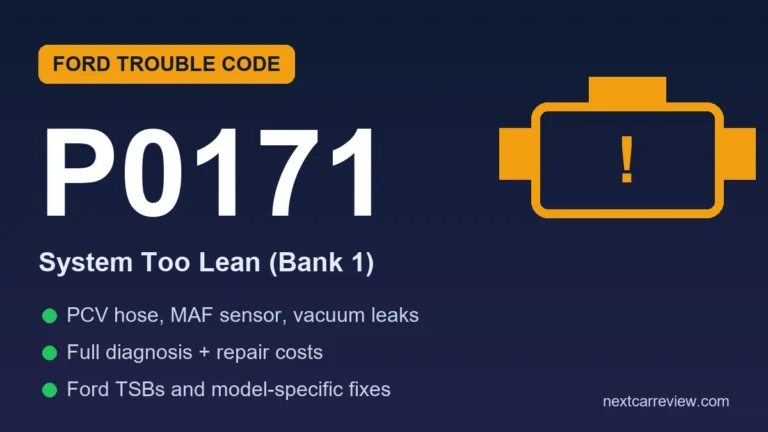
The P0171 code means your engine runs lean, with too much air and too little fuel. So the cause is often a cheap vacuum leak or a dirty MAF sensor, not a costly fuel pump. We break down the symptoms, the real repair costs, and a smart step-by-step way to fix it yourself at home.
Figures cross-checked against EPA, NHTSA, IIHS and manufacturer sources. See our sourcing policy.
The P0171 code usually means your engine runs lean, and the fix is often cheaper than you fear. So before you panic, take a breath. A P0171 code rarely ends your day. This guide walks you through what it means, why it happens, and how to repair it in the right order.
What Does P0171 Mean?
P0171 Code – Quick Diagnostic Intelligence
The P0171 code tells you the engine pulls in too much air and not enough fuel. So your air-fuel ratio drifts off balance. The car still runs, but the computer flags a problem.
System Too Lean (Bank 1)
P0171 system too lean is the plain meaning of this code. So Bank 1 points to the side of the engine that holds cylinder number one. So on a four-cylinder car, there is only one bank, which keeps things simple.
A lean fuel mixture means the fuel is spread too thin. As a result, combustion gets weak and uneven. To clarify, the engine wants a steady balance, and this code says that balance broke.
How the ECU Triggers It
The ECU watches your fuel trim through the oxygen sensors. So when it keeps adding fuel to fix a lean reading, it notices the pattern. After that, it logs the p0171 bank 1 fault and lights the dash.
What does p0171 mean for daily driving? Honestly, not much at first. But the warning matters, and engine diagnostics start here.
Symptoms of P0171
The p0171 code symptoms range from mild to annoying. So you may feel them before the light even appears. Here is what most drivers notice.
Rough Idle
A lean mix makes the engine shake at a stop. So the idle feels bumpy instead of smooth. You might even feel it through the steering wheel.
Hesitation on Acceleration
Press the gas, and the car stumbles for a second. However, it usually catches up. So this lag points straight to a lean condition.
Check Engine Light
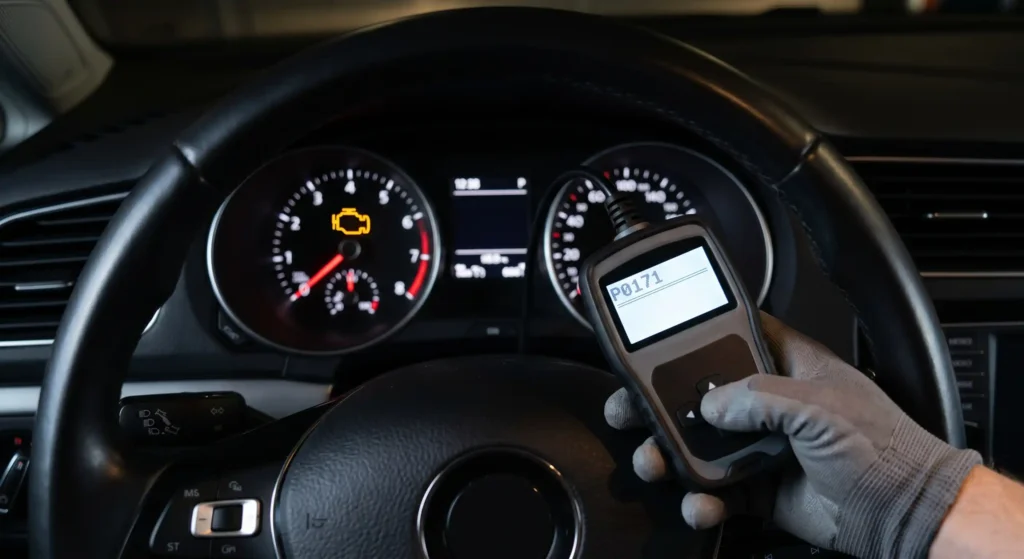
The check engine light is the most common sign. So when it glows steady, a scan often reveals this code. However, the light is your first real clue. So a quick scan confirms the P0171 code in seconds.
Reduced Fuel Economy
A lean engine can burn more fuel, not less. As a result, your trips to the pump come sooner. So your wallet feels it fast.
Most Common Causes (Cheapest First)
Most causes are cheap, and a few are not. So we list them from least to most expensive. Start at the top and work down.
Vacuum Leak (Hoses, Intake Gasket)
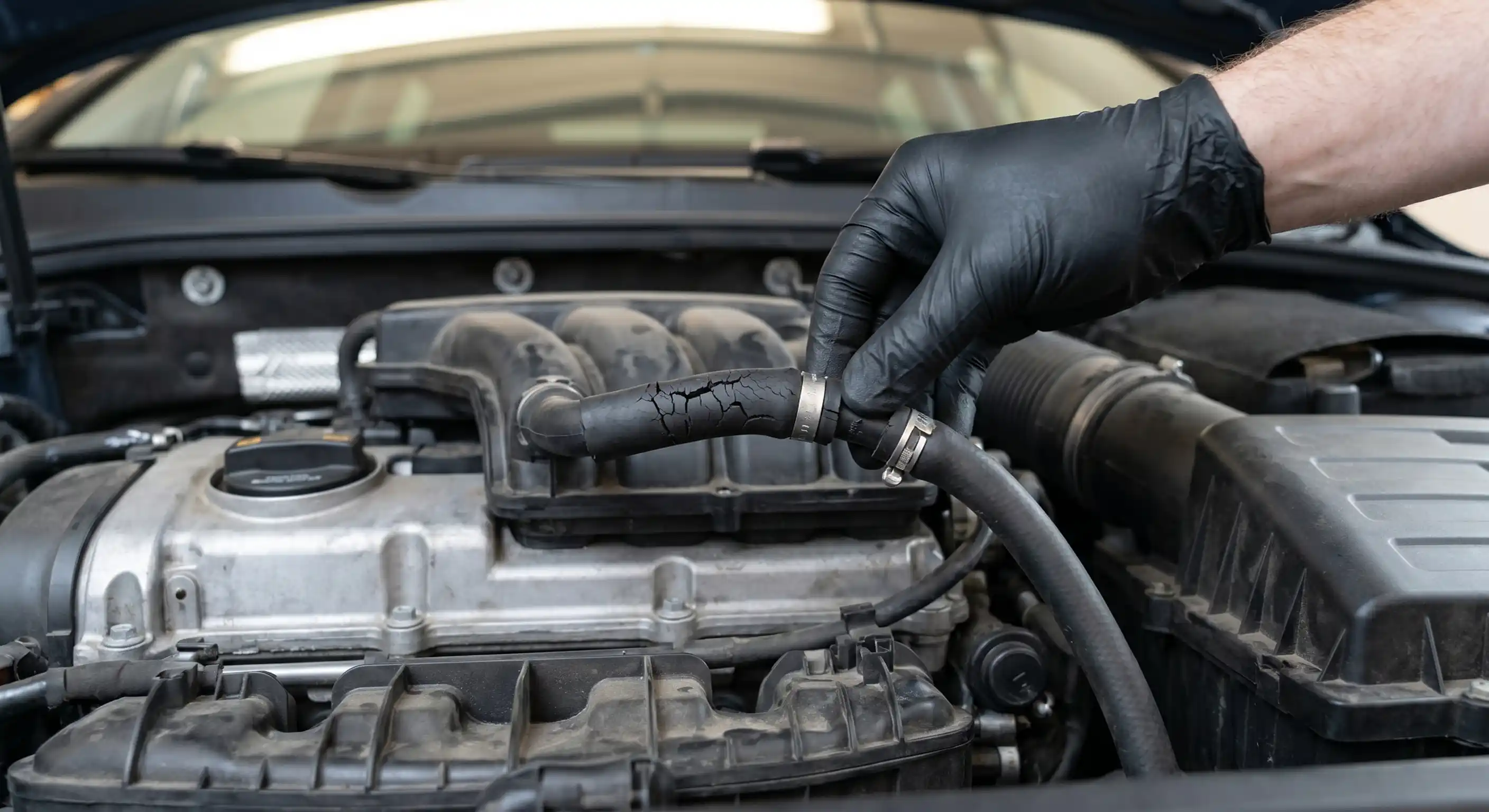
A p0171 vacuum leak sits at the top of the list. So a cracked hose or a worn intake gasket lets in extra air. That extra air is exactly what an intake leak adds.
Most importantly, a cracked vacuum hose is often a cheap fix. So you save big when you catch it early. So check every hose by hand.
Dirty MAF Sensor
The p0171 maf sensor reads how much air enters the engine. So when it gets dirty, it reads low and the engine adds less fuel. The mass air flow sensor then throws the numbers off.
Failing Fuel Pump or Filter
A weak pump cannot push enough fuel. So pressure drops and the mix runs lean. A clogged filter does the same thing.
Leaking Fuel Injectors
Worn injectors can spray poorly or leak. So fuel delivery turns uneven. This one is less common, but it happens.
Faulty O2 Sensor
A bad oxygen sensor sends wrong data to the ECU. So the computer trusts a false reading. So the fix is usually one sensor.
Dirty Throttle Body
Grime on the throttle body messes with airflow. So the engine struggles to hold a smooth idle. However, a simple clean often helps.
How to Diagnose P0171 Step by Step
Good engine diagnostics save you money. So follow this order and stop when you find the cause. So do not skip steps. As a result, you avoid paying for parts you never needed to fix a P0171 code.
Dealing with a different Nissan-specific lean code? Our P1148 Nissan code fix guide covers that fault in the same step-by-step format.
Step 1 – Smoke Test for Vacuum Leaks
A smoke test fills the intake with safe smoke. So any leak shows up as a thin trail. This is the fastest way to spot an intake leak.
Step 2 – Clean MAF Sensor
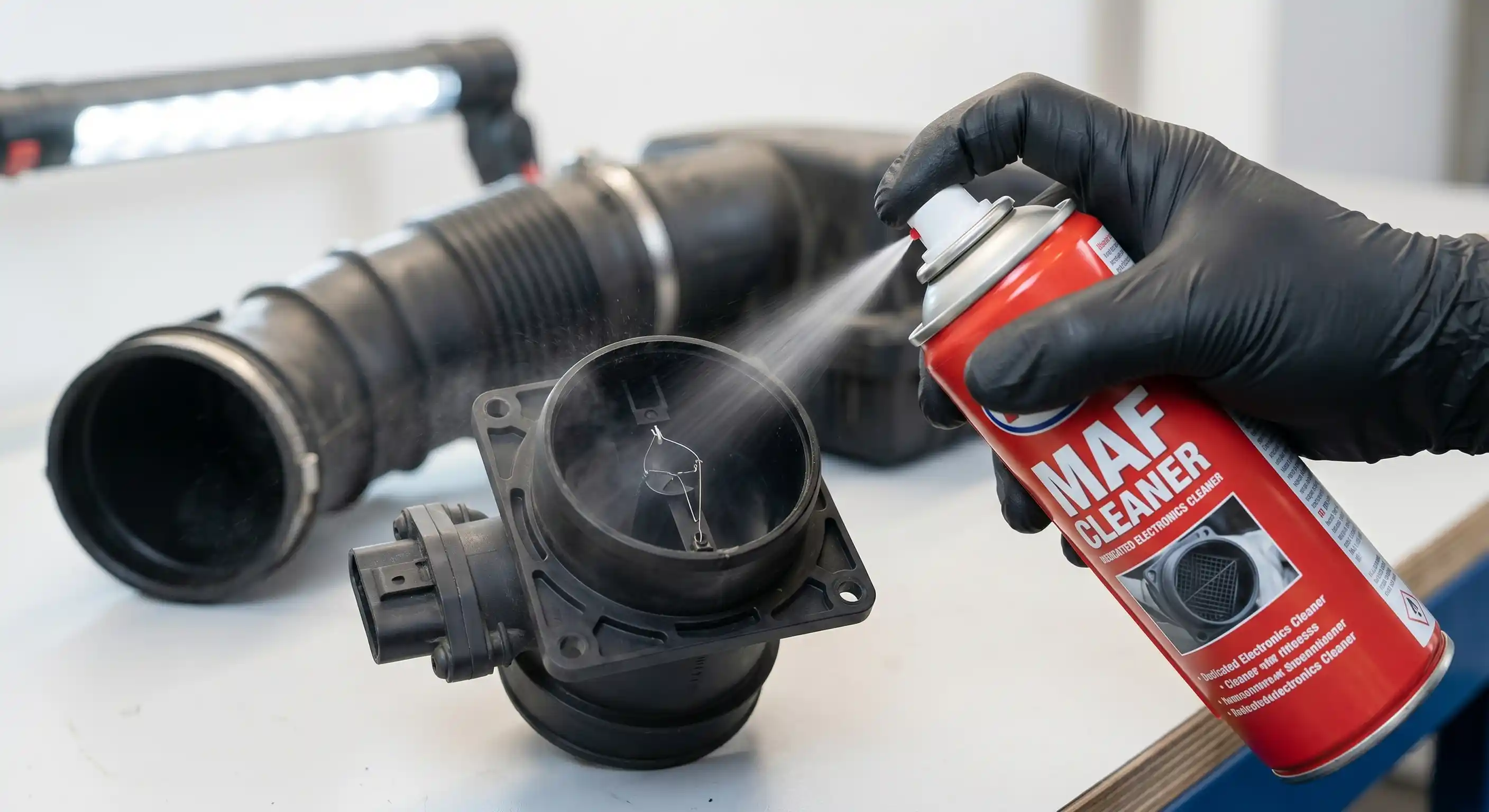
Spray the sensor with proper MAF cleaner. So the dirty wire reads correctly again. So never touch it with your fingers.
Step 3 – Check Fuel Pressure
Hook up a gauge and read the pressure. So you confirm the pump pushes enough fuel. Low numbers point to the pump or filter.
Step 4 – Inspect Fuel Trims
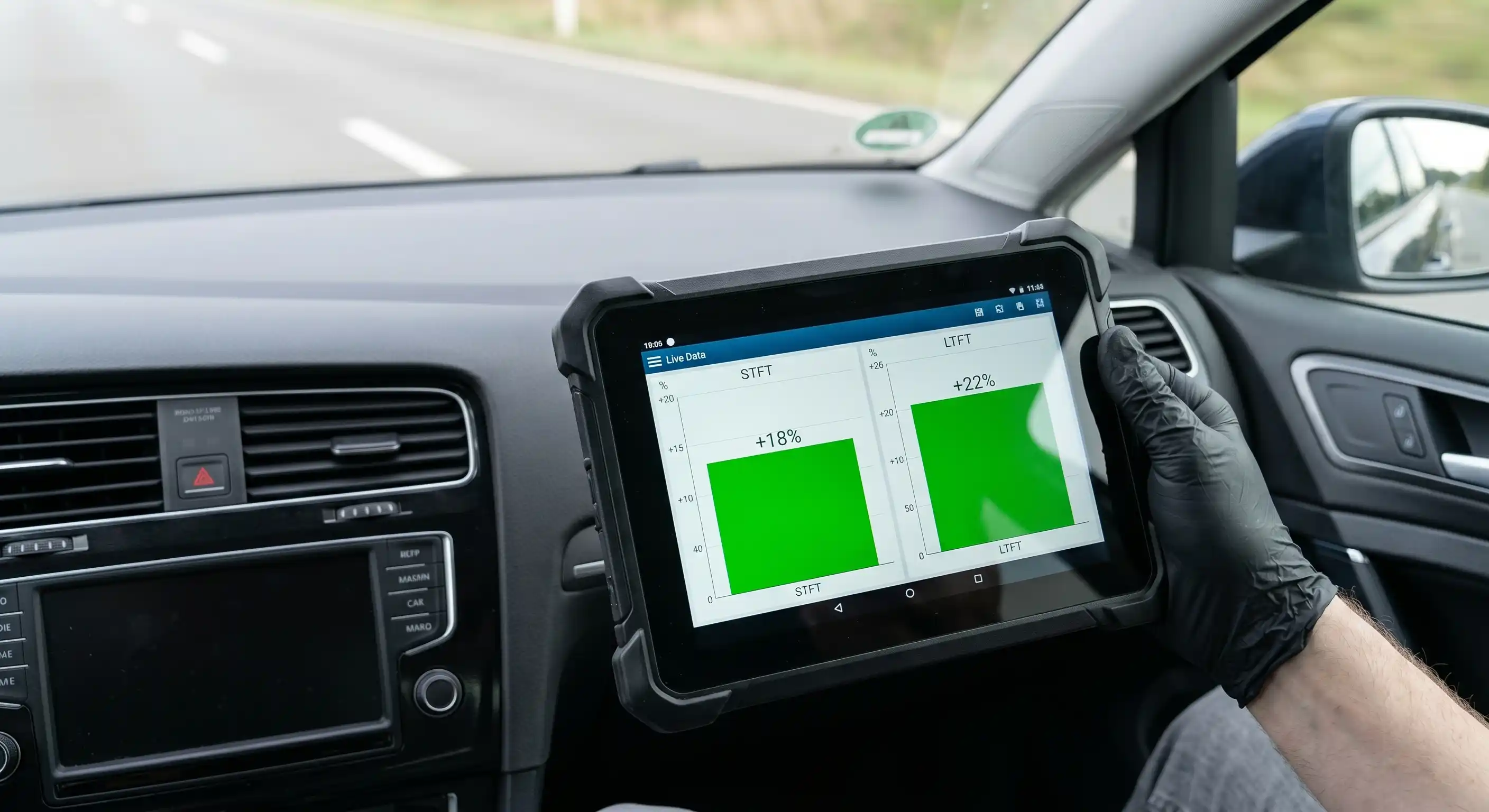
Read your short and long term fuel trim on a scanner. So you see how hard the ECU works to add fuel. High positive numbers confirm the lean condition.
How Much Does It Cost to Fix P0171?
The p0171 repair cost depends fully on the cause. So a hose costs almost nothing, while a pump costs real money. Here is a clear 2026 breakdown.
DIY Vacuum Hose ($10 to $30)
A new hose or clamp runs ten to thirty dollars. So this is the cheapest p0171 code fix by far. Most drivers can do it at home.
MAF Sensor Clean or Replace ($15 to $400)
Cleaner costs about fifteen dollars. However, a new sensor can hit four hundred. So try cleaning first, then replace only if needed.
Fuel Pump Replacement ($500 to $1,000)
A pump job is the big one. So labor and parts push it toward a thousand dollars. So this repair is rare, but real.
| Repair Option | 2026 Cost Range | DIY Friendly |
|---|---|---|
| Vacuum hose or clamp | $10 to $30 | Yes |
| MAF sensor clean | $15 to $25 | Yes |
| MAF sensor replace | $150 to $400 | Yes |
| Fuel filter | $60 to $200 | Sometimes |
| O2 sensor | $150 to $350 | Sometimes |
| Fuel pump | $500 to $1,000 | No |
Vehicle-Specific P0171 Notes
The same code can act differently across brands. So a quick brand note helps you aim your search. Here are three common ones.
P0171 on Ford F-150
The p0171 ford f150 case can trace to software, not parts. Ford bulletin 25-2342 tells dealers to reprogram the PCM on 2021-2023 F-150s with the 3.3L V6 that set P0171. On older trucks, check for vacuum and intake leaks first.
P0171 on Toyota
A p0171 toyota issue often points to a dirty MAF sensor or an air leak. On 2009-2019 Tundra and 2009-2018 Sequoia 5.7L flex-fuel models, Toyota bulletin T-SB-0166-19 fixes P0171 with an ECM reflash.
P0171 on Honda
A p0171 honda fault frequently ties to a vacuum leak. So inspect the PCV hose and brake booster line. So these crack with age.
Can You Drive With a P0171 Code?
You can drive short trips with this code. But the lean mix slowly harms your engine. So treat it as a soon-to-fix job, not a someday job.
Risks of Ignoring It
A long lean condition burns hot inside the cylinders. As a result, pistons and valves can take damage over time. That turns a cheap fix into a costly one.
A bad lean mix can also cause stalling. So the car may die at idle or in traffic. That alone makes the repair urgent.
How to Prevent P0171
Good habits keep this code away. So a few small steps go a long way. None of them cost much.
Replace your air filter on schedule. In addition, clean the MAF sensor during routine service. Likewise, inspect vacuum hoses each year for cracks.
Use quality fuel and change it as recommended. Meanwhile, fix small leaks before they grow. These habits protect your air-fuel ratio for the long haul.
Final Thoughts
The P0171 code sounds scary, but it rarely is. So start cheap, test in order, and fix the real cause. Many causes are cheap, but test before you buy parts. So a P0171 code is rarely the disaster it sounds like.
We have walked you through every step, from the first symptom to the final repair. So you now know how to read it, chase it, and beat it. Ready for your next dashboard mystery? Browse our full library of DTC code guides and keep more cash in your pocket.
Frequently Asked Questions About the P0171 Code
What does code P0171 mean?
Can I drive with a P0171 code?
How much does it cost to fix P0171?
Will cleaning the MAF sensor fix P0171?
Is P0171 a vacuum leak?
Will P0171 cause stalling?
Related guides: our trouble code reference hub.
⚠️ Professional Notice:
All 2026 repair cost figures in this article are based on US parts pricing aggregation and labor rate data compiled from published industry sources as of June 2026. Real costs vary by vehicle make, model year, geographic region, and whether work is performed at a dealership, independent shop, or at home. Obtain multiple quotes before authorizing any repair.
Diagnostic steps outlined in this guide are general procedures and may not apply to every vehicle configuration. Always consult your vehicle’s factory service manual before performing repairs. Improper repairs can cause additional damage or safety hazards. NextCarReview.com does not receive compensation from any parts manufacturer, retailer, or repair chain in exchange for rankings or editorial coverage.
Data Sources and Verification
- OBD-II DTC definitions – Society of Automotive Engineers (SAE) J2012 standard fault code database
- 2026 US parts pricing – aggregated pricing across major US parts retailers, June 2026
- Labor rate data – 2026 US independent shop and dealership labor rate benchmarks
- Vehicle-specific technical service bulletins: Ford TSB 25-2342 and Toyota T-SB-0166-19 (via NHTSA); Identifix P0171 diagnostic overview
- MAF sensor and vacuum leak diagnostic procedures – OEM factory service manual references, multiple makes and model years

Morgan Reyes is the founder and editor-in-chief of NextCarReview, which Morgan launched in August 2024. A 2022 graduate of Columbia University, Morgan is based in New York and writes and edits the site’s reviews, comparisons and buying guides. Morgan does not road-test vehicles. Every article is built from published primary data: EPA FuelEconomy.gov ratings, NHTSA crash ratings, recalls and owner complaints, IIHS results, and manufacturer specifications and pricing, with each figure cited and checked before publication. Contact: admin@nextcarreview.com