
In this article 11 sections
A P0455 code means your car’s EVAP self-test found a large fuel-vapor leak, most often a loose, missing or worn gas cap, then a cracked hose, a stuck purge or vent valve, or a damaged charcoal canister. The car is usually safe to drive, but with the check engine light on it will fail an OBD emissions test. Start by tightening or replacing the cap, then smoke-test the system if the code returns.
Figures cross-checked against EPA, NHTSA, IIHS and manufacturer sources. See our sourcing policy.
The P0455 code means your car found a large leak in its evaporative emissions system. Sometimes the fix is as simple as tightening a loose gas cap. So before you picture a huge repair bill, take a breath. Oregon’s DEQ notes that simply retightening a loose cap can fix the fault, and the light can go out on its own after several drive cycles.
P0455 in short: P0455 is the generic OBD-II code for “Evaporative Emission System Leak Detected (Large Leak)” under the SAE J2012 code definitions. The EVAP system is the sealed fuel-vapor circuit, and P0455 means the car’s self-test could not hold pressure or vacuum in it. Check the gas cap first: Oregon DEQ says a broken or loose cap can turn on the check engine light, and the system can turn the light off once the cause is fixed. If the code returns, look at the hoses, purge valve, vent valve and charcoal canister.
In this guide, we walk you through the cheapest-first path. Firstly, we explain what the code means. After that, we cover the symptoms, the common causes, and the real repair numbers for 2026. In addition, we share how to test the system at home.
But here is the good news. P0455 rarely leaves you stranded. And your engine still runs fine.
However, the check engine light stays on until you seal the leak. So you will also fail an emissions test while it stays active.
So let us start cheap and work up from there. And most drivers fix this without a shop visit. Meanwhile, the ones who need parts usually spend far less than they feared.
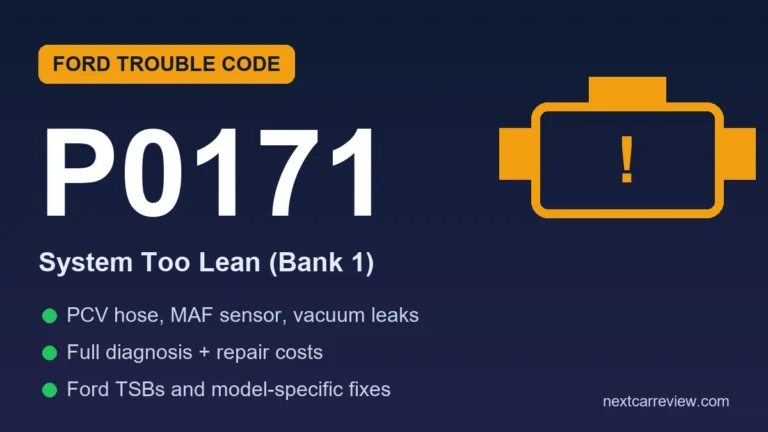
If your scan returned a fuel-side lean code alongside P0455, our P0171 code guide covers the vacuum and fuel delivery diagnosis that frequently runs parallel to an EVAP fault. And if you have a Nissan with a companion air-fuel sensor code, our P1148 Nissan fix guide walks the related diagnostic path step by step.
What Does P0455 Mean?
P0455 Code – Quick Diagnostic Intelligence
So what does p0455 mean in plain terms? It flags a large leak in your fuel vapor system. And that system traps gas fumes and stops them from reaching the open air. But when a big gap opens, the sensor trips and logs the code.
Large EVAP System Leak Detected
An evap system large leak sets this code apart from the smaller ones. So the computer watches for pressure loss. And a large gap drops that pressure fast. So the code usually points to a loose cap, a cracked hose, or a stuck valve.
P0455 Evap System Large Leak: Code Definition
The full wording for P0455 is “Evaporative Emission System Leak Detected (Large Leak).” Scan tools and repair manuals may phrase it as “EVAP system large leak” or “EVAP large leak detected,” but they describe the same fault. It sits next to the smaller-leak code P0456 in the same family. The code is stored when the vehicle’s own leak check fails, so the first step is always to confirm the cap is on and sealed before replacing parts.
How the System Tests for Leaks
Your car runs a self-check using onboard diagnostics. Firstly, it seals the system. Subsequently, it pulls a slight vacuum or pressure.
After that, it watches the reading closely. But if pressure falls too quickly, it logs the fault. So the test runs on its own, with no help from you.
Symptoms of a P0455 Code

The p0455 code symptoms are usually mild. In fact, most drivers notice just one warning light. But a few small clues can still point you toward the leak.
Check Engine Light
So the check engine light is the first sign. It switches on and then stays on. So you will not see it flash or blink. Meanwhile, the car keeps driving as normal.
Faint Fuel Smell
Sometimes you catch a faint whiff of fuel vapor near the tank. And that smell hints at escaping gas fumes. However, many leaks give off no smell at all. So do not trust your nose alone here.
Usually No Drivability Change
Most of the time, nothing feels different. And the engine idles fine. And power stays steady. So P0455 rarely changes how the car feels on the road.
Common Causes (Cheapest First)
A p0455 evap leak almost always starts small and cheap. So we list the causes from the least costly to the most costly. That way, you check the easy stuff first.
Loose or Faulty Gas Cap
A p0455 gas cap problem is the top cause by far. A loose cap breaks the seal. And a cracked one does the same thing. So tighten it first, then replace it if the code comes back.
Cracked EVAP Hoses
Old rubber hoses dry out and split with age. And a small crack lets fuel vapor slip out. So inspect the lines near the tank and the engine. But cracks often hide right at the bends.
Failed Purge or Vent Valve
A stuck p0455 purge valve can hold the system open during a test. Likewise, a bad p0455 vent valve fails to seal when it should. So both valves are very common culprits here.
Damaged Charcoal Canister
A cracked p0455 charcoal canister leaks vapor too. It sits low under the car and takes road hits. However, this failure shows up less often than a bad cap.
How to Diagnose P0455 Yourself

A p0455 code fix often starts right in your own driveway. So grab a cheap scan tool and a few minutes. And good evap leak diagnosis always follows a simple order.
Tighten and Inspect the Gas Cap
Firstly, remove the cap and check the rubber seal. Secondly, screw it back on until it clicks. After that, clear the code and drive for a day. So the cheapest test comes first, every time.
Smoke Test the EVAP System
A smoke test finds hidden leaks fast. A shop pushes light smoke into the lines. After that, a tech watches where it seeps out. So this method spots cracks you cannot see by eye.
Test Purge and Vent Valves
You can test each valve with a scan tool. Command them open, then command them closed. Meanwhile, listen closely for a soft click. But a silent valve likely needs replacing.
How Much Does It Cost to Fix P0455?
Your p0455 repair cost depends on the exact part that failed. So the range is wide but rarely scary. And most fixes land on the low end. But you will not need to guess for long.
| Part or Repair | Typical 2026 Cost | DIY Friendly? |
|---|---|---|
| Gas cap replacement | $15 to $60 | Yes |
| EVAP hose repair | $60 to $180 | Sometimes |
| Purge valve | $100 to $250 | Sometimes |
| Vent valve | $120 to $300 | Sometimes |
| Charcoal canister | $250 to $600 | No |
Source: Prices above are 2026 shop estimates and vary by model. Verify current figures with your local shop before authorizing any repair.
Gas Cap ($15 to $60)
A new gas cap is the cheapest fix around. And most caps run $15 to $60 in 2026. So this is where we always tell drivers to start. In addition, a quality cap seals tighter and lasts far longer.
Valves and Hoses ($100 to $400)
Valves and hoses cost more, but they still stay modest. A purge valve runs about $100 to $250 with labor. A charcoal canister job can run higher, so get a written quote first.
Vehicle-Specific Notes
Certain brands throw this code more often than others. So a few quick model notes can help. And below, we cover two of the most common.
P0455 on Ford
A p0455 ford case often traces back to the cap or the canister vent valve, which closes to seal the system during the leak test. So check the cap seal first on F-150 and Escape models too. Likewise, a bad seal can trip the code after a fill-up.
Our 2024 Ford F-150 Platinum full guide covers the F-150’s maintenance patterns and known service intervals that keep the EVAP system in shape on high-mileage trucks.
P0455 on Chevy
A p0455 chevy case often points to the purge valve, the vent valve or a cracked hose, once the cap checks out. So a smoke test saves real time here.
Our 2025 Chevrolet Malibu review and our 2025 Chevy Trax review cover service context for buyers tracking EVAP codes on these Chevrolet platforms.
Can You Drive With a P0455 Code?
So can you keep driving with this fault? Yes, in almost every single case. But the leak affects fumes, not engine power. So most owners keep driving while they plan the fix.
Safe to Drive With a P0455 Code but Will Fail Emissions
Your car stays safe to drive for daily trips. But you will fail an emissions test while the light is on. So fix the leak before any state inspection. Meanwhile, watch for that faint fuel smell near the tank.
How to Prevent P0455
Prevention is simple, and it is free. Firstly, always click the gas cap tight after every fill-up. Secondly, replace a worn cap early, before it fails.
In addition, glance at the hoses during each oil change. Similarly, check the cap seal for cracks now and then. So these small habits keep P0455 away for good.
The Bottom Line
A P0455 code sounds serious, but it rarely is. Most of the time, a snug gas cap solves the whole thing. So start cheap, test in order, and move up only if you must.
And we keep our onboard diagnostics guides current for 2026. So read our related DTC and emissions articles next. Ready to clear that light? Then grab a scan tool, check the cap, and start today.
Frequently Asked Questions About the P0455 Code
What does code P0455 mean?
Can a loose gas cap cause P0455?
Can I still drive with P0455?
How much does it cost to fix P0455?
Will P0455 clear itself?
What is the difference between P0455 and P0456?
What causes the P0455 code?
Is P0455 serious?
Will tightening the gas cap fix P0455?
Related guides: our OBD-II code library.
⚠️ Professional Notice:
All repair cost figures in this article are based on 2026 US shop rate averages and retail parts pricing aggregated from published industry sources. Real costs vary by vehicle make, model year, geographic region, parts brand, and whether work is performed at a dealership, independent shop, or at home. Always obtain multiple quotes before authorizing any repair. Treat every figure here as a rough range, not a quote.
Diagnostic steps and specifications outlined in this guide are general procedures and may not apply to every vehicle make or model. Consult your vehicle’s factory service manual for model-specific EVAP diagnostic procedures. EVAP system repairs may affect emissions compliance. Have the repair verified by a certified technician before your next emissions inspection. NextCarReview.com does not receive compensation from any parts manufacturer, retailer, or repair chain in exchange for rankings or editorial coverage.
Data Sources and Verification
- OBD-II DTC definitions – Society of Automotive Engineers (SAE) J2012 standard P0455 EVAP large leak documentation
- Oregon DEQ: On-Board Diagnostics FAQ (check engine light and emissions tests)
- CarParts.com: P0455 meaning, causes and fixes (repair reference)
- Identifix: P0456 EVAP leak guide (repair reference)
- RepairPal: P0456 very small leak definition (repair reference)

Morgan Reyes is the founder and editor-in-chief of NextCarReview, which Morgan launched in August 2024. A 2022 graduate of Columbia University, Morgan is based in New York and writes and edits the site’s reviews, comparisons and buying guides. Morgan does not road-test vehicles. Every article is built from published primary data: EPA FuelEconomy.gov ratings, NHTSA crash ratings, recalls and owner complaints, IIHS results, and manufacturer specifications and pricing, with each figure cited and checked before publication. Contact: admin@nextcarreview.com