In this article 17 sections
Shopping for a 2026 model? This page covers the 2025 model year. For current prices and rankings, see Plug-In Hybrid vs Full EV 2026 Cost of Ownership Calculator: Gas Savings, Incentives and Real Results.
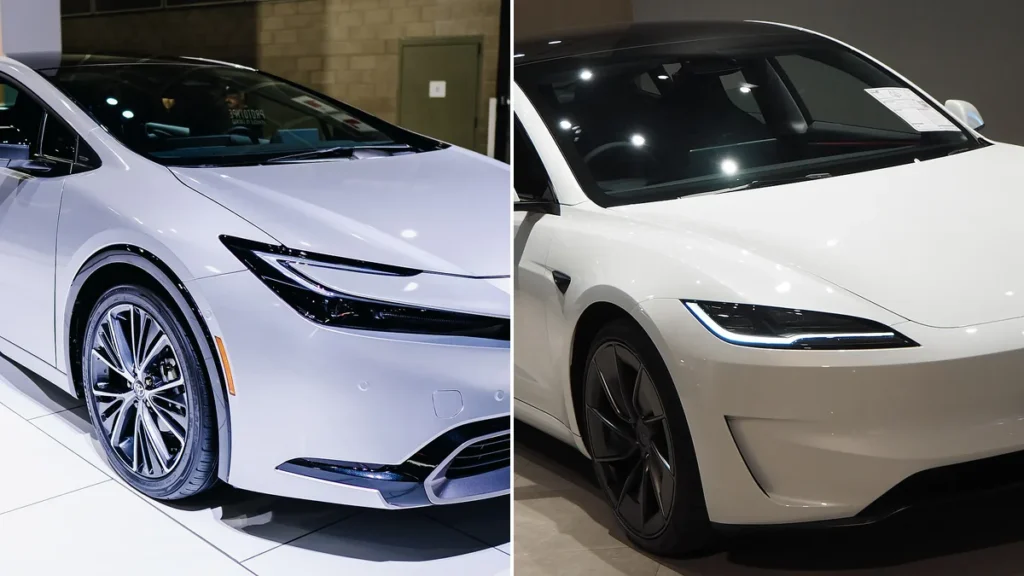
Choosing between hybrid and electric cars in 2025 is a big decision. This guide makes it simple. We look at gas prices, charging times, and maintenance. You will also learn about plug-in options. As a result, you will know exactly which car is right for your home and wallet.
Buying a new car is exciting. However, it can also be confusing. In the past, you just bought a gas car. But now, the market is full of new technology. You see advertisements everywhere for hybrid cars vs electric cars.
As a result, you might feel overwhelmed. You are not alone. Many drivers ask the same questions. Should you stick with gas? Or, should you switch to battery power?
In 2025, the options are better than ever. Electric vs hybrid vehicles are both excellent choices. Yet, they are very different. One uses a mix of fuel and power. On the other hand, the other uses only electricity.
To clarify, this guide will help you decide. We will explore hybrid cars vs electric cars in deep detail. We will use simple language. So, a student can understand it easily. Let us get started.
Electric Car vs Hybrid Car: Which Is Better?
Short answer: an electric car is usually the better choice if you can charge at home and most of your driving is a predictable daily commute, because it has the lowest running and maintenance costs and zero tailpipe emissions. A hybrid is usually better if you cannot charge at home, regularly drive long distances, or live somewhere with harsh winters, because it refuels in minutes and loses less efficiency in the cold. A plug-in hybrid sits in between: electric for short commutes, gas for road trips.
Understanding the Basics
First, we need to know how these cars work. Therefore, let’s look under the hood.
What is a Hybrid Car?
A hybrid car is a mixture. It uses two power sources. Specifically, it has a gasoline engine and an electric motor.
Specifically, the car uses the electric motor at low speeds. This happens when you drive in a city or a parking lot. Then, the gas engine kicks in for high speeds.
Most importantly, you do not plug in a standard hybrid. It charges its own battery. When you press the brake, the energy goes back into the battery. In other words, it recycles its own power.
What is an Electric Car?
An electric car (EV) is different. It has no gas engine at all. Also, it has no tailpipe. Instead, it relies on a large battery pack.
As a result, you must plug it in to charge. You can do this at home. Or, you can visit a public station. When comparing hybrid cars vs electric cars, this is the biggest difference.
Certainly, EVs are very clean. They produce zero smoke. But, you must plan your trips carefully. You cannot simply stop at any gas station for a quick fill-up.

Deep Dive: Electric Vehicle vs Hybrid Performance
How do they feel when you drive? This is a major factor for many buyers.
The Electric Experience
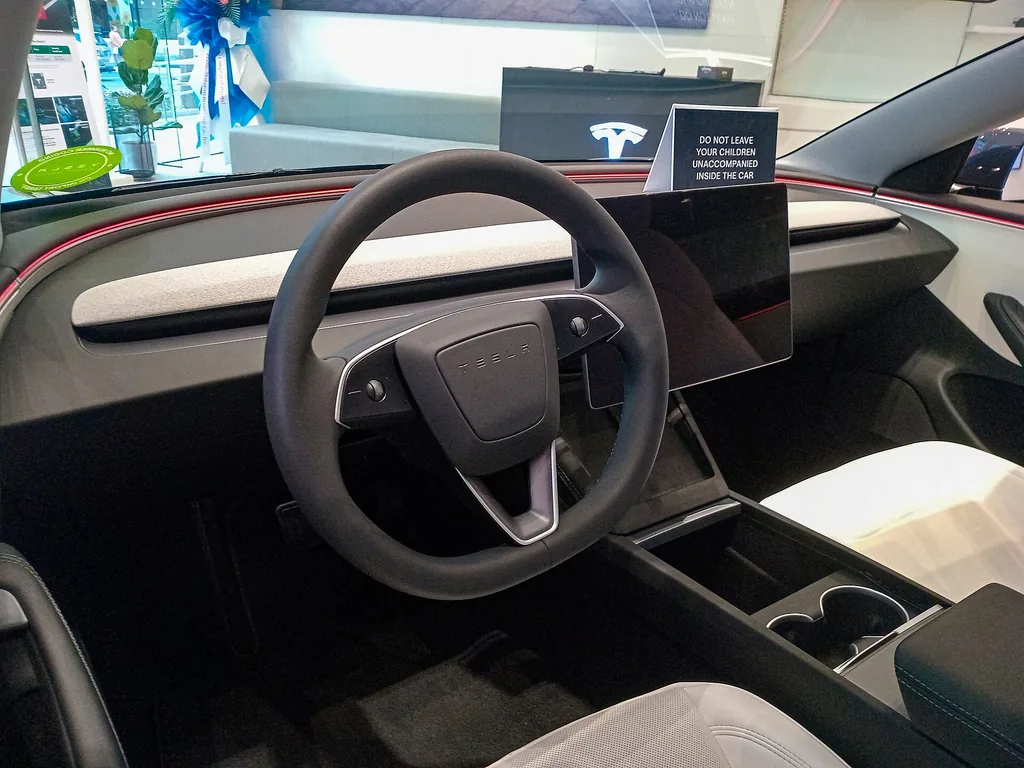
Electric cars are surprisingly fast. When you step on the pedal, the power is instant. There is no delay.
, they are very quiet. You do not hear an engine roaring. It feels smooth, almost like gliding. Many drivers love this modern feeling.
The Hybrid Experience
In contrast, a hybrid feels more like a traditional car. You can hear the engine running. Many hybrids use a continuously variable transmission, so the engine sound can rise and fall as you accelerate.
However, it is smoother than a regular gas car. The electric motor helps it accelerate. As a result, you save gas during stop-and-go traffic. But, in the hybrid cars vs electric cars race, the full electric car is usually faster.
The Middle Ground: Electric vs Plug In Hybrid
There is a third option. It acts as a bridge between the two. This is called the Plug-In Hybrid (PHEV).
How a Plug-In Hybrid Works
A PHEV has a bigger battery than a normal hybrid. Therefore, you can plug it in. It can drive on electricity alone for a limited distance, often about 20 to 50 miles depending on the model. Check each model’s EPA electric range.
After the battery is empty, the gas engine turns on. Then, it drives just like a standard hybrid.
Who is it for?
This is perfect for short daily trips. For example, you can drive to work using only electricity. You use zero gas during the week.
Meanwhile, on weekends, you can take a long road trip. You just use the gas engine. Thus, you do not need to worry about finding a charger.
In the battery electric vs plug in hybrid debate, the plug-in offers peace of mind. It eliminates “range anxiety.”
Cost Breakdown: Hybrid Cars vs Electric Cars
Money is always important. You want to know the real cost. Let us break down the price tags.
Upfront Purchase Price
Usually, hybrid cars are cheaper to buy initially. They cost a little more than gas cars. But, they are generally less expensive than full electric cars.
On the other hand, electric cars often have a higher sticker price. The batteries are expensive to make. However, prices are dropping in 2025.
In addition, the federal government offered a tax credit of up to $7,500 during most of 2025. However, that credit ended for vehicles acquired after September 30, 2025. So today, only state or local incentives may help close the gap.
Fuel Savings
This is where hybrid cars vs electric cars differ the most. Electricity is cheap. It costs much less than gasoline.
Therefore, if you drive an electric car, you save money on every mile. A hybrid saves money too, but not as much. You still have to visit the gas pump.
Total Cost of Ownership
You must look at the long term. An electric car costs more to buy. But, it costs less to run.
As a result, after five years, an electric car might be cheaper overall. You save thousands on fuel.
Maintenance: Electric Car vs Hybrid Car
Nobody likes going to the mechanic. Which car is easier to fix?
Electric Car Maintenance
Electric cars have very few moving parts. To clarify, they have no spark plugs. They have no oil to change. They have no multi-speed transmission, just a simple single-speed gear reduction.
As a result, they need fewer routine maintenance visits. You spend less time in the repair shop. This is a huge advantage.
Hybrid Car Maintenance
Hybrids have two complex systems. They have a gas engine and an electric motor.
Therefore, you still need oil changes. You have more parts that can wear out. In electric car vs hybrid car maintenance check, the electric car wins.
Charging vs Refueling: A Lifestyle Change
This is the biggest change to your daily habits.
The Gas Station Habit
With a hybrid, you keep your current habits. You drive until the tank is low. Then, you stop at a gas station. It takes five minutes.
This is easy and familiar. Everyone knows how to do it.
The Charging Lifestyle
With an electric car, you must change your routine. You plug in at home at night. You wake up with a full battery.
Most importantly, this is very convenient. You never have to visit a smelly gas station again.
However, long trips are harder. You must find public chargers. Sometimes, they are broken. Sometimes, there is a line. This requires planning.
Winter Driving: A Crucial Factor
Do you live in a cold place? Weather affects these cars differently.
Cold Weather and Batteries
Batteries do not like the cold. Therefore, an electric car loses range in winter. EPA data shows that at 20°F, EV range can drop by about 41% when the cabin heater is used, and about 12% without it.
Also, charging is slower when it is freezing. You must be prepared for this.
Hybrids in the Cold
Hybrids are less affected by cold weather. The gas engine creates heat. This warms up the battery and the cabin.
So, in the hybrid cars vs electric cars comparison for winter, hybrids are often more reliable.
Environmental Impact
You likely want to help the planet. Which car is greener?
Zero Tailpipe Emissions
Electric cars are the cleanest on the road. They produce zero smoke. This helps clean up the air in our cities.
However, the electricity must come from somewhere. If the power plant burns coal, it is not perfectly clean. But, the U.S. Department of Energy says EVs typically still produce lower lifecycle emissions than gas cars, depending on the local power mix.
Lower Emissions
Hybrids burn gasoline. So, they do pollute the air. But, they burn much less gas than a normal car.
Therefore, they are a step in the right direction. Yet, when comparing hybrid cars vs electric cars, the electric option is the true green winner.
SUV Options: Electric vs Hybrid SUV
Do you have a big family? You probably need extra space.
The Hybrid SUV
The electric vs hybrid suv market is booming. Hybrid SUVs are very popular. They offer great mileage for their size.
Specifically, many hybrid SUVs can drive 500 miles or more on one tank. This is great for family vacations.
The Electric SUV
Electric SUVs are getting better every year. In 2025, they have more space and range.
But, they are very heavy. The big batteries add a lot of weight. Also, charging a large battery takes longer.
Hybrid vs Electric Cars for Daily Commuting
For a typical daily commute, the deciding factor is where you will charge. If you can plug in at home or at work, an electric car covers a normal commute on overnight charging and never needs a gas station on weekdays; this is where it saves the most. If you would rely on public fast chargers for every top-up, the time and higher public charging prices erode that advantage, and a hybrid is often the simpler choice.
Stop-and-go traffic favors both: electric cars use no energy while stopped, and hybrids recover energy when braking and run on electric power at low speeds. Long highway commutes narrow the hybrid’s advantage over a gas car, while cold-weather commutes cut EV range the most, as covered in the winter section below.
How to Compare Electric Cars vs Hybrids Side by Side
- Compare EPA ratings for the exact models you are considering on FuelEconomy.gov’s Find and Compare Cars tool: mpg for the hybrid, MPGe and kWh per 100 miles plus EPA range for the electric car, and the estimated annual fuel cost for each.
- Enter your own commute distance, local gas price and electricity rate in the Department of Energy’s AFDC Vehicle Cost Calculator to estimate the cost per mile and the total cost of ownership.
- Check your charging access: home Level 2, workplace charging, or public chargers only.
- Compare purchase price after any state or utility incentives (the federal EV credit ended for vehicles acquired after September 30, 2025).
- Compare battery warranties and how much range or efficiency you would lose in your winter climate.
For ranked models in both categories, see our best electric and hybrid cars of 2026 and our best hybrid sedans of 2026.
Comparison Table
Here is a simple summary to help you compare.
| Feature | Hybrid (HEV) | Plug-In Hybrid (PHEV) | Electric (BEV) |
| Fuel Source | Gas + Electric | Gas + Electric | Electricity Only |
| Plug In? | No | Yes | Yes |
| Range Anxiety | None | None | Possible |
| Gas Savings | Good | Better | Best |
| Maintenance | Medium | Medium | Low |
| Best For | Long trips | Commutes + Trips | City/Home charging |
Resale Value in 2025
You should think about selling the car later.
Electric Car Value
Used electric cars can be tricky. Buyers worry about battery health. If the battery is old, the car is worth less.
However, batteries are lasting longer now. So, resale values are stabilizing.
Hybrid Car Value
Hybrids hold their value very well. People trust them. Used hybrids are often in strong demand.
Therefore, if you plan to sell in a few years, a hybrid is a safe bet.

Making Your Decision
So, who wins the hybrid cars vs electric cars battle? It depends on your life.
Choose a Hybrid If:
- You drive very long distances regularly.
- You live in an apartment without a charger.
- You are on a strict budget.
- You want a car that feels familiar.
In short, a hybrid is the safe and easy choice.
Choose an Electric Car If:
- You have a garage to charge at night.
- You mostly drive around town.
- You want to save the most money on fuel.
- You want the latest technology.
To sum up, an electric car is the future of driving.
Choose a Plug-In Hybrid If:
- You have a short commute.
- You also take long road trips.
- You want the best of both worlds.
This addresses the electric car vs plug in hybrid question perfectly.
Conclusion
Deciding between hybrid cars vs electric cars is a personal choice. There is no wrong answer. Both are better than standard gas cars.
If you want convenience and range, pick a hybrid. However, if you want low running costs and a quiet ride, pick an electric car.
Most importantly, look at your daily habits. Count your miles. Then, test drive both. You will know which one feels right.
Related guides: our car comparison hub and 2026 Tesla Model Y vs Hyundai Ioniq 5.
FAQs
Which car is cheaper to own?
How long do the batteries last?
Do electric cars work in the cold?
How long does it take to charge?
Is maintenance expensive for electric cars?
Is a hybrid or electric car better for daily commuting?
How do I compare an electric car and a hybrid?
For official rules, ratings and consumer guidance on this topic, see:
Sources
- IRS: clean vehicle credit (ended for vehicles acquired after Sept 30, 2025)
- FuelEconomy.gov: cold weather effects on EV range
- FuelEconomy.gov: how electric vehicles work
- FuelEconomy.gov: Find and Compare Cars
- AFDC: Vehicle Cost Calculator
- AFDC: emissions from electric vehicles

Morgan Reyes is the founder and editor-in-chief of NextCarReview, which Morgan launched in August 2024. A 2022 graduate of Columbia University, Morgan is based in New York and writes and edits the site’s reviews, comparisons and buying guides. Morgan does not road-test vehicles. Every article is built from published primary data: EPA FuelEconomy.gov ratings, NHTSA crash ratings, recalls and owner complaints, IIHS results, and manufacturer specifications and pricing, with each figure cited and checked before publication. Contact: admin@nextcarreview.com