In this article 10 sections
P17F0 is not a generic OBD-II code. It is a Nissan-defined transmission code that reads CVT_JUDDER [T/M INSPECTION] on Nissan’s CONSULT scan tool, and Nissan created it to catch the shake, shudder and bumping that its continuously variable transmissions (CVTs) produced on several 2013 to 2017 models. If your Altima, Rogue, Sentra, Versa or Pathfinder has stored it, Nissan’s own service bulletins treat it as a transmission problem, not a sensor glitch.
Quick answer: P17F0 means Nissan’s transmission control module detected CVT judder (shake or shudder) on repeated drives. It is logged on 2013-2017 Altima, Rogue, Sentra, Versa, Pathfinder and other CVT models. For 2013-2014 Altima 4-cylinder and 2014-2016 Rogue, Nissan bulletin NTB15-084 calls for a CVT assembly replacement once P17F0 is confirmed. Check your VIN for Nissan’s 84-month/84,000-mile CVT warranty extension before paying.
Can you keep driving? Usually for a short time, but judder tends to get worse, and owners have filed NHTSA complaints describing hesitation and sudden loss of power on the highway with P17F0 stored. The cost ranges from a dealer software update (TCM reprogramming) to a full CVT replacement, and on many of the affected model years Nissan’s extended CVT warranty pays for the repair if the vehicle is still inside 84 months or 84,000 miles. For other Nissan transmission codes, see our P0744 Nissan code guide (torque converter clutch) and P1778 Nissan code guide (CVT step motor).
What Does P17F0 Mean on a Nissan?
Nissan introduced P17F0 and its sister code P17F1 through a set of “Enhanced Diagnostic Logic” technical service bulletins. Each one says the same thing: a new diagnostic logic was added to the transmission control module (TCM) so that it stores a trouble code when the customer reports judder, described by Nissan as “shake, shudder, single or multiple bumps or vibration.” The two codes are:
- P17F0 – CVT_JUDDER [T/M INSPECTION], where T/M is the transmission itself.
- P17F1 – CVT_JUDDER [C/U INSPECTION], which Nissan’s repair bulletin routes to a control valve (valve body) and belt inspection.
The logic does not set the code on one bad shift. Nissan bulletin NTB15-014C states that the detection logic “will require three events before storing a DTC.” The same bulletin describes the conditions that reproduce judder: a slow, light-throttle launch (0 to 10% throttle) from a stop to 40 mph, with the torque converter locking up between roughly 20 and 35 mph, and gentle lifting and reapplying of the pedal before lock-up. A slight uphill grade can help reproduce it.
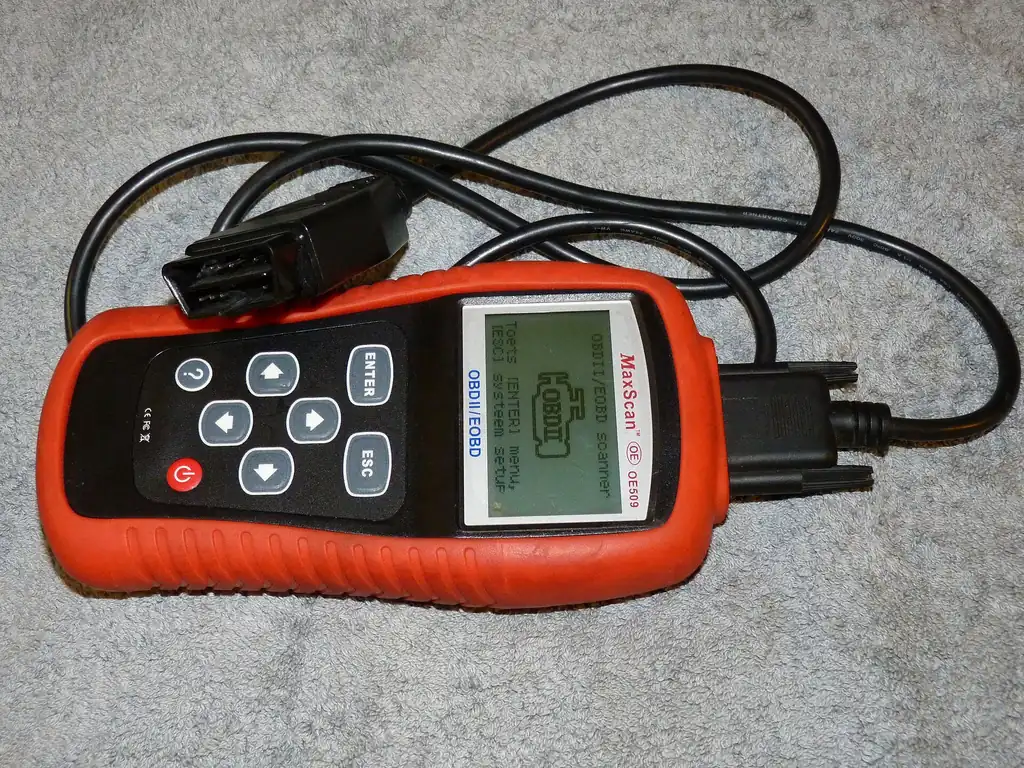
On the Sentra and Versa family, Nissan bulletin NTB18-058 adds an important detail: P17F0 “will not turn the MIL ON.” In other words, the code can sit in the TCM with no check engine light, and a basic engine-only scanner may not show it. You need a scan tool that reads the transmission module.
Which Nissan Models and Years Set P17F0?
These are the vehicles named in the Nissan bulletins that create or repair P17F0, all published through NHTSA (see Data Sources).
| Model (Nissan chassis code) | Model years | Bulletin(s) | What the bulletin does |
|---|---|---|---|
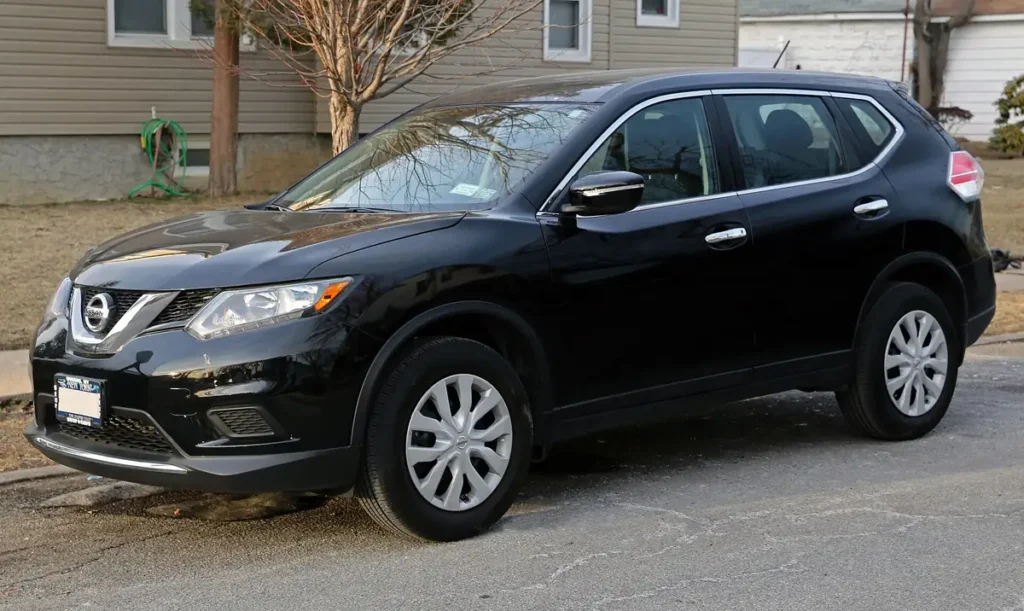
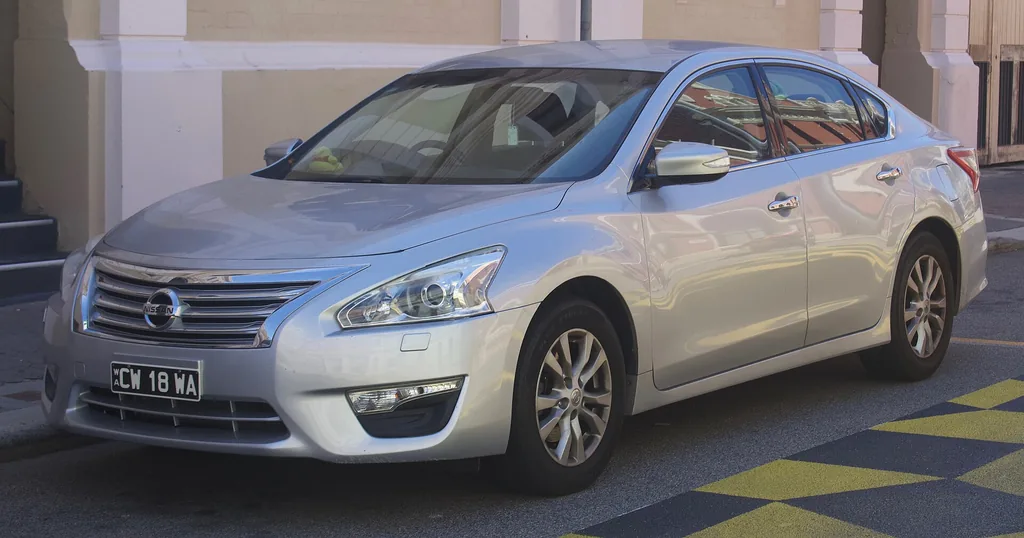
| Altima 4-cylinder (L33) | 2013-2015 | NTB15-083 | TCM reprogram adds P17F0/P17F1 |
| Rogue (T32) | 2014-2016 | NTB15-083 | TCM reprogram adds P17F0/P17F1 |
| Altima 4-cylinder (L33) and Rogue (T32) | 2013-2014 Altima, 2014-2016 Rogue | NTB15-084d | Repair: CVT replacement for P17F0, valve body or CVT for P17F1 |
| Pathfinder V6 (R52), Altima V6 (L33) | 2013-2015 | NTB15-014 | TCM reprogram adds P17F0/P17F1 (2015 Pathfinder built before April 14, 2015) |
| Quest (E52), Murano (Z52), Maxima (A36) | Early-build 2015 Quest and Murano, 2016 Maxima | NTB15-014 | TCM reprogram adds P17F0/P17F1 |
| Pathfinder V6, Altima V6, Quest, Murano, Maxima | 2015-2017 (Maxima 2016-2017) | NTB16-085a | TCM reprogram adds P17F0/P17F1 |
| Sentra (B17), Versa Sedan (N17) | 2013-2017 | NTB18-058 | TCM reprogram adds P17F0 (no MIL) |
| Versa Note (E12) | 2014-2017 | NTB18-058 | TCM reprogram adds P17F0 (no MIL) |
| Versa Sedan, Versa Note (and Sentra in earlier revisions) | 2013-2017 (Note 2014-2017) | NTB17-034 | Repair procedure for judder and P17F0 on the RE0F11A CVT |
NTB15-084d specifically excludes the Rogue Select (S35), and an earlier revision of NTB17-034 notes it does not apply to the 2017 Sentra with the MR16DDT turbo engine. A 2019 revision listed the HR16DE and MRA8DE non-turbo engines. If your model is not in the table, P17F0 may still appear on a generic scanner, but the Nissan bulletin path above does not formally apply, and a dealer should confirm by VIN.
Symptoms of P17F0 CVT Judder
Nissan’s bulletins list the customer complaints that qualify: transmission judder (shake, shudder, single or multiple bumps or vibration) and, on the Sentra and Versa family, hesitation on acceleration, lack of power or RPM flare. Owner complaints filed with NHTSA describe the same pattern. Owners report:
- A shudder or rumble at low speed, often during gentle acceleration from a stop (a 2013 Altima owner described “a heavy vibration/rumbling noise coming from the front,” NHTSA complaint 11398138).
- Bucking at 10 to 20 mph and vibration at highway speed (2015 Murano, complaint 11271208).
- Hesitation, jerking and RPM that jumps around (2018 Altima, complaint 11588998; 2014 Sentra, complaint 11415255).
- Sudden loss of drive on the highway, with the engine revving but the car slowing (2014 Pathfinder, complaint 11615998; 2018 Altima, complaint 11740728).
What Causes P17F0 on a Nissan CVT?
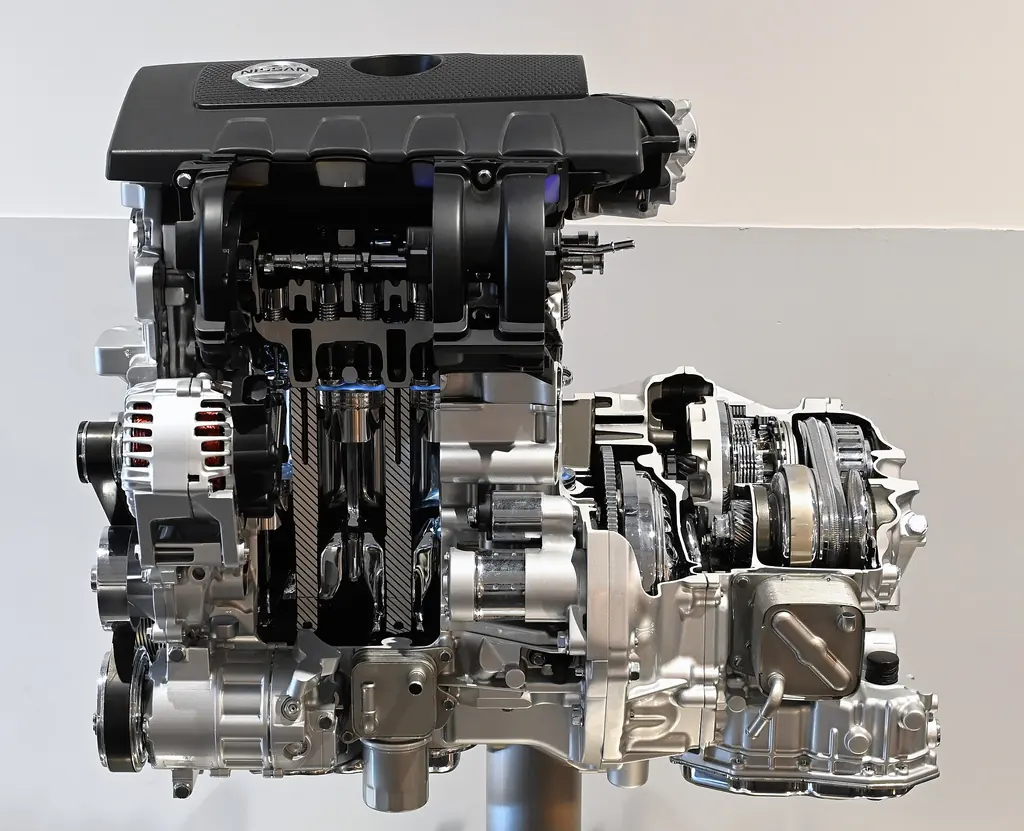
Nissan does not publish a single root cause in the bulletins, but its repair procedures show where it looks. In NTB15-084d (Altima 4-cylinder and Rogue, RE0F10D transmission), a stored P17F1 sends the technician to remove the control valve and inspect both sides of the CVT belt with a borescope (Nissan tool J-51951) for evidence of belt slippage on the pulleys. If the belt is clean, only the valve body is replaced; if it shows slippage, the whole CVT is replaced. A stored P17F0 goes straight to CVT assembly replacement, which tells you Nissan treats it as an internal transmission fault.
On the smaller RE0F11A CVT in the Versa and Versa Note, NTB17-034 checks for abnormal noise, debris in the CVT pan, input shaft bearing condition, CVT belt slippage and a loose pulse rotor. Depending on what is found, the fix is a control valve, a belt-and-pulley sub-assembly with control valve and oil pump, or a complete CVT.
Outdated TCM software is the other factor. Every “Enhanced Diagnostic Logic” bulletin starts with a TCM reprogram, and a Nissan dealer confirms whether a newer calibration is available for the specific VIN.
How Nissan Diagnoses and Fixes P17F0
Nissan states that its bulletins are “intended for use by qualified technicians, not ‘do-it-yourselfers’.” The sequence below summarizes the published procedure so you know what a dealer or transmission shop should be doing.
- Read the TCM, not just the engine. Use a scan tool with Nissan transmission access (Nissan uses CONSULT III plus) and record the VIN and every stored code. NTB15-084d requires a printout showing both.
- Confirm the complaint. NTB15-084d applies only if the customer reports judder and P17F0 or P17F1 is stored. Without both, Nissan sends the technician back to standard diagnosis.
- Reprogram the TCM if a newer part number exists. This is the action in NTB15-083, NTB15-014, NTB16-085 and NTB18-058.
- Follow the model’s repair bulletin. Altima 4-cylinder and Rogue: NTB15-084d (P17F0 means CVT replacement after pre-approval; P17F1 means valve body removal and belt inspection). Versa and Versa Note: NTB17-034. Sentra: NTB18-058e points to NTB19-075.
- Flush the cooler. NTB15-084d says a CVT cooler flush (bulletin NTB15-013) is required after a valve body or CVT replacement, and only NS-3 CVT fluid or equivalent may enter the transmission.
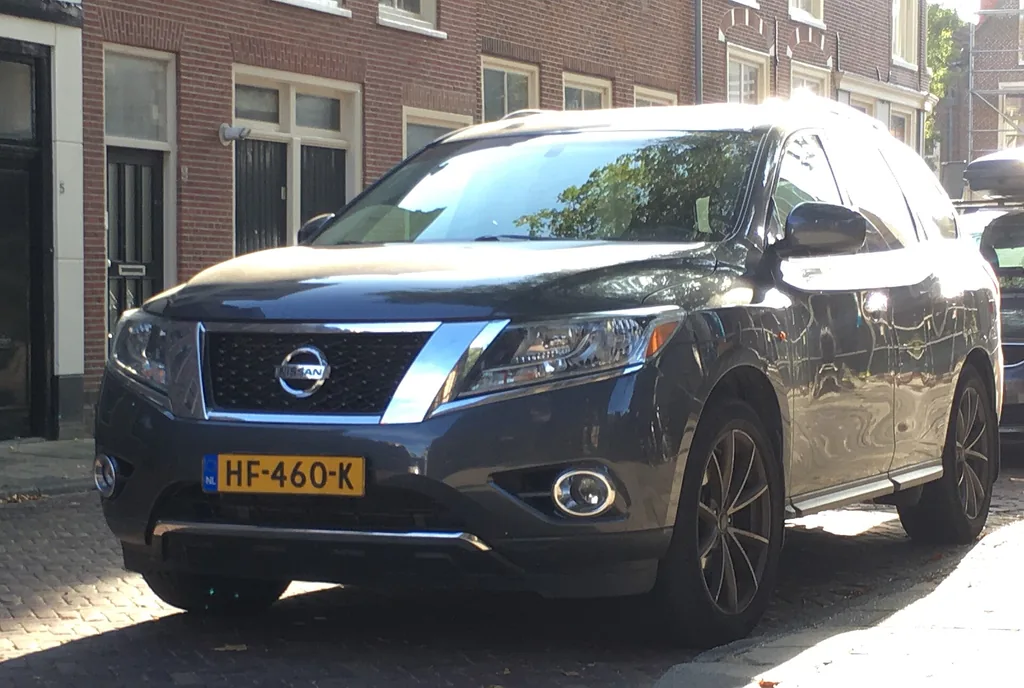
Nissan CVT Warranty Extensions That May Cover P17F0
Following class action settlements, Nissan extended the CVT portion of the powertrain warranty from 60 months/60,000 miles to 84 months/84,000 miles (whichever occurs first) on these vehicles, according to Nissan dealer announcements filed with NHTSA:
| Vehicles | Extension | Nissan announcement date |
|---|---|---|
| 2012-2017 Versa Sedan, 2014-2017 Versa Note, 2013-2017 Sentra, 2013-2016 Altima, 2013-2017 Juke | 84 months/84,000 miles, includes rental during CVT repairs | May 11, 2020 |
| 2014-2018 Rogue, 2015 Rogue Select, 2015-2018 Pathfinder | 84 months/84,000 miles | June 1, 2022 |
| 2017-2018 Altima, 2018-2019 Sentra, 2018-2019 Versa Sedan, 2018-2019 Versa Note | 84 months/84,000 miles | May 23, 2023 (revised Nov 2, 2023) |
Nissan says the extension covers the CVT assembly and internal components, gaskets and seals, the CVT control valve body, torque converter, cooler kit (if applicable) and TCM reprogramming. Nissan’s 2020 notice adds that coverage was extended earlier on the 2013-2014 Pathfinder, 2013 Infiniti JX35 and 2014 QX60 non-hybrid. Owners who opted out of the class action are excluded.
The catch is time. The extension runs for 84 months, so the newest covered vehicles (2018-2019 model years) reach seven years of service around 2025 to 2027, and most older ones have already passed it. Ask a Nissan dealer to check coverage by VIN, and if coverage was wrongly excluded, Nissan directs owners to nissanassist.com or Nissan Consumer Affairs at 1-800-647-7261. A VIN lookup with our VIN decoder confirms model year and trim first.
How Much Does It Cost to Fix P17F0?
Nissan’s bulletins describe three repair levels, and the bill depends on which one your car needs:
- TCM reprogramming – the lowest-cost step, billed as dealer labor when not under warranty.
- Valve body (control valve) replacement – an in-car repair plus cooler flush, used when the belt passes inspection.
- CVT sub-assembly or complete CVT – the most expensive outcome, and the bulletin result for a confirmed P17F0 on 2013-2014 Altima 4-cylinder and 2014-2016 Rogue.
Replacement CVT prices vary by model, region and unit type (new, remanufactured or used), and no named repair-cost estimate for this job could be verified, so no figure is quoted here. Get a written quote that names the part (valve body, sub-assembly or CVT assembly), and first confirm whether the 84-month extension applies, because a covered repair costs nothing for parts and labor. Nissan’s notices also say replaced parts carry a 12-month/12,000-mile parts warranty if that runs past the extension.
Can You Drive With a P17F0 Code?
Short trips to a dealer are usually possible if the car still drives normally between judder events. But NHTSA complaints describe P17F0 vehicles that hesitated or lost drive in traffic, and judder that comes from belt slip can progress. If it slips, flares or loses drive, have it towed. Avoid hard acceleration and towing, do not clear the code before a technician records it (NTB15-084d needs the printout), and book the inspection before the warranty clock runs out. Related Nissan codes that can show up alongside engine complaints are covered in our P1148 Nissan code guide.
Frequently Asked Questions About the P17F0 Nissan Code
What does P17F0 mean on a Nissan?
Does P17F0 turn on the check engine light?
Does P17F0 mean the CVT must be replaced?
Is P17F0 covered by Nissan’s extended CVT warranty?
What is the difference between P17F0 and P17F1?
Will a CVT fluid change fix P17F0?
Data Sources and Verification
- Nissan NTB15-014C (May 17, 2022) – Enhanced diagnostic logic for CVT judder, V6 Pathfinder/Altima, Quest, Murano, Maxima; P17F0/P17F1 definitions, three-event logic, judder drive pattern
- Nissan NTB16-085a (March 31, 2017) – 2015-2017 V6 Pathfinder/Altima, Quest, Murano, 2016-2017 Maxima
- Nissan NTB15-083A (May 17, 2022) – 2013-2015 Altima 4-cylinder, 2014-2016 Rogue TCM reprogram
- Nissan NTB15-084d (August 29, 2017) – CVT judder with P17F0 or P17F1 stored, 2013-2014 Altima 4-cylinder and 2014-2016 Rogue
- Nissan NTB18-058e (March 5, 2020) – Sentra, Versa, Versa Note enhanced diagnostic logic; P17F0 does not turn MIL on
- Nissan NTB17-034L (March 5, 2020) and NTB17-034e – Versa/Versa Note (RE0F11A) CVT judder repair
- Nissan CVT warranty extension, May 11, 2020, June 1, 2022 and May 23, 2023 (rev. Nov 2, 2023)
- NHTSA owner complaints – Altima, Rogue, Sentra, Versa, Pathfinder and Murano complaints that mention P17F0

Morgan Reyes is the founder and editor-in-chief of NextCarReview, which Morgan launched in August 2024. A 2022 graduate of Columbia University, Morgan is based in New York and writes and edits the site’s reviews, comparisons and buying guides. Morgan does not road-test vehicles. Every article is built from published primary data: EPA FuelEconomy.gov ratings, NHTSA crash ratings, recalls and owner complaints, IIHS results, and manufacturer specifications and pricing, with each figure cited and checked before publication. Contact: admin@nextcarreview.com