In this article 9 sections
Liability insurance pays for injuries and property damage you cause to others; it is what states require. "Full coverage" is not a legal term or an official policy type; it is commonly used to mean liability plus collision and comprehensive, which pay for damage to your own car.
Lenders and leasing companies generally require collision and comprehensive. If your car is paid off and worth little compared with the yearly cost of those coverages, liability-only can make sense, but the NAIC warns that state minimum liability limits are usually too low to protect your assets.
Coverage definitions come from the NAIC and the Insurance Information Institute; minimum limits from state DMV and insurance department pages. NextCarReview does not sell insurance, lend money or test financial products; see our sourcing policy.
This is general information, not financial or legal advice; rules vary by state.
The choice between full coverage and liability-only is one of the biggest levers on what you pay for car insurance. It is also one of the most misunderstood, because "full coverage" sounds like it covers everything. It does not. This guide uses regulator definitions to explain what each option pays for, what your state and lender require, and how to decide when collision and comprehensive coverage are worth keeping.
What Is the Difference Between Full Coverage and Liability Insurance?
Liability coverage protects other people from you. The NAIC describes bodily injury liability as coverage for injuries you cause to someone else, and property damage liability as coverage for damage you cause to someone else’s car or to objects and structures your car hits. Liability insurance also pays for an attorney if you are sued (NAIC consumer guide).
Full coverage adds protection for your own vehicle. The term is commonly used to mean a combination of liability, collision and comprehensive coverage. The Insurance Information Institute lists collision and comprehensive among the parts of a basic auto policy, and the NAIC lists them as coverages required by your lender if you have an auto loan, rather than by state law (Triple-I).
| Coverage | What it pays for | Liability-only policy | Typical "full coverage" policy |
|---|---|---|---|
| Bodily injury liability | Injuries you cause to others | Yes | Yes |
| Property damage liability | Damage you cause to others’ cars and property | Yes | Yes |
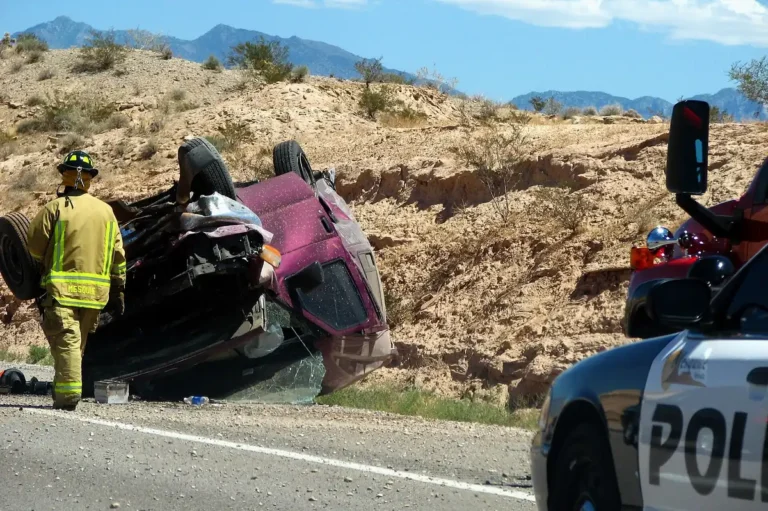
| Collision | Damage to your car from hitting another car or object, a pothole or flipping over | No | Yes |
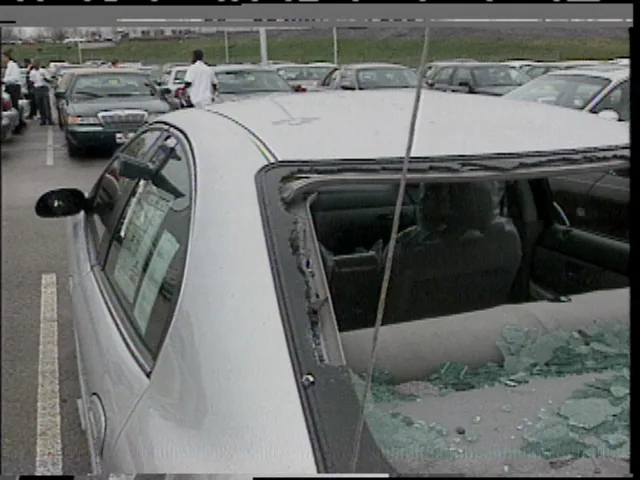
| Comprehensive | Theft, hail, windstorm, flood, fire, hitting animals, glass damage | No | Yes |
| Uninsured/underinsured motorist | Your injuries when the at-fault driver has no or too little insurance | Only if required or added | Often included; required in some states |
| PIP or medical payments | Medical bills for you and your passengers | Required in no-fault states | Same |
What Does Full Coverage Not Cover?
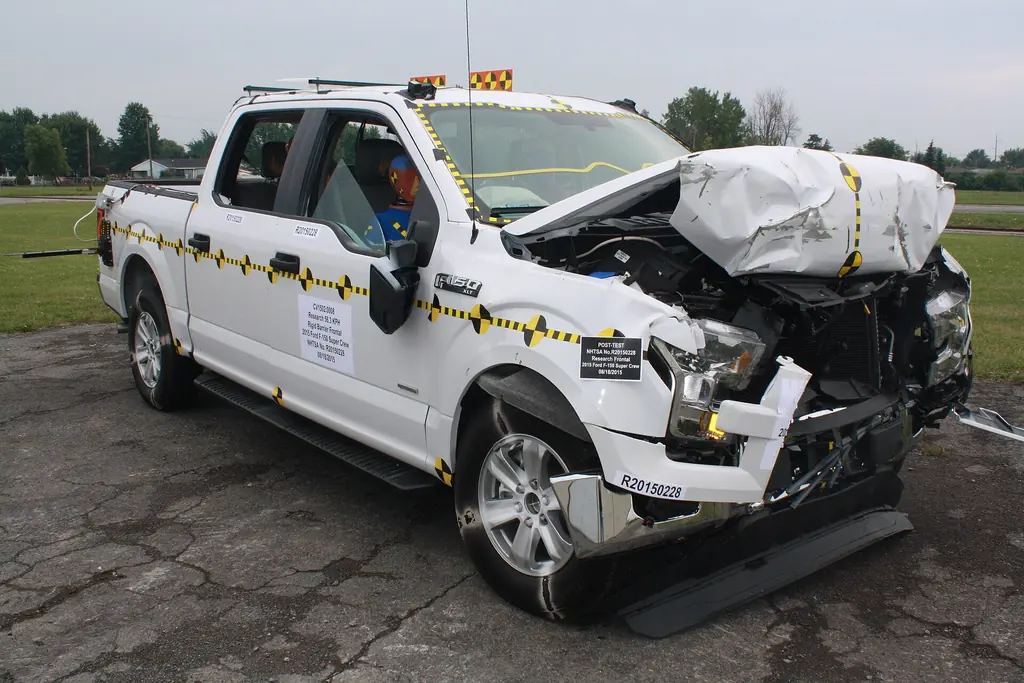
Even a policy with every major coverage has gaps. The NAIC lists several common ones:
- Equipment not permanently installed in the car, such as phones and portable navigation units.
- Routine maintenance.
- Paying off your loan when the car’s market value is less than what you owe. That is what GAP coverage is for.
- Driving in Mexico, which requires a separate Mexican auto policy.
- Your deductible, which you pay before collision or comprehensive coverage kicks in.
Collision and comprehensive also pay only up to the car’s value at the time of the loss, minus the deductible, not the price you originally paid.
What Are the Minimum Liability Requirements by State?
Most states require liability insurance, and each sets its own minimum limits, written as bodily injury per person / per accident / property damage. These examples come straight from state agencies:
| State | Minimum required | Notes | Source |
|---|---|---|---|
| California | $30,000 / $60,000 / $15,000 | Raised from $15,000/$30,000/$5,000 for policies starting or renewing on or after January 1, 2025 | California DOI |
| Texas | $30,000 / $60,000 / $25,000 | Same limits an SR-22 must certify | Texas Department of Insurance |
| Virginia | $50,000 / $100,000 / $25,000 | Effective January 1, 2025 | Virginia DMV |
| New York | $25,000 / $50,000 / $10,000 | Plus $50,000 no-fault coverage and uninsured motorist coverage at the same bodily injury minimums | NY DFS |
| Florida | $10,000 PIP and $10,000 property damage liability | Bodily injury liability is not part of the basic registration requirement | FLHSMV |
The NAIC is blunt about these numbers: state minimum coverages are usually not enough to fully protect you and your assets if you cause a serious accident, and most insurers let you buy higher limits, often without much increase in premium (NAIC). A crash with several injured people or a newer vehicle can easily exceed a $15,000 or $25,000 property damage limit, and you are responsible for the rest.
When Is Full Coverage Required?
The state does not require collision or comprehensive, but other parties can. The NAIC lists both as coverages required by your lender if you have an auto loan, and it warns that if you let your insurance lapse, your lender will likely insure the car itself; that premium may be much higher, and the coverage much less, than a policy you would buy (NAIC). Leasing companies set similar requirements in the lease contract.
If you are financing, read the insurance clause in your contract for required deductibles and any requirement to name the lender as loss payee. Budget for these coverages before you choose a car; our auto loan calculator handles the loan side, and the auto insurance calculator estimates the insurance side.
When Does It Make Sense to Drop to Liability-Only?
No regulator sets a cutoff, and the popular rules of thumb you may see are not official. The NAIC’s guidance is to compare the premium for collision and comprehensive with what your car is worth. A simple way to frame it:
| Example (illustration only) | Car A | Car B |
|---|---|---|
| Current market value | $18,000 | $3,500 |
| Deductible | $1,000 | $1,000 |
| Most a total-loss claim could pay | $17,000 | $2,500 |
| Yearly cost of collision + comprehensive (your quote) | Ask your insurer | Ask your insurer |
| Loan or lease on the car? | Often yes: coverage required | Usually no |
For Car B, the most the coverages could ever pay is $2,500 after the deductible. If the yearly cost of collision and comprehensive is a meaningful share of that, and you could replace the car from savings, liability-only is a reasonable choice. For Car A, the potential payout is large, and a lender likely requires the coverages anyway.
Before dropping coverage, ask three questions: Is the car paid off? Could you afford to repair or replace it tomorrow? Does your area have high theft, hail or flood risk that comprehensive would cover? If the answers are yes, yes and no, liability-only deserves a look.

How Do Deductibles and Limits Change the Price?
Within a full coverage policy you have two main dials. The NAIC notes that a higher deductible lowers your premium: a policy with a $1,000 deductible costs less than the same policy with a $500 deductible, as long as you can afford the deductible after a loss. Liability limits work the other way: higher limits cost more, but the NAIC says the increase is often modest.
- To save money with less risk: raise collision and comprehensive deductibles to a level your emergency fund can cover.
- To protect assets: buy liability limits above your state minimum, especially if you own a home or have savings.
- To compare quotes fairly: the NAIC says to ask every insurer for the same coverages, limits and deductibles.
Our guide to comparing auto insurance quotes shows how to set up a like-for-like comparison, and this overview of getting car insurance quotes covers the information insurers ask for.
Which Option Fits Your Situation?
| Your situation | Usually a better fit |
|---|---|
| Financed or leased car | Full coverage (lender or lessor requirement) |
| Newer car you could not afford to replace out of pocket | Full coverage |
| Older, paid-off car with low market value and savings to replace it | Liability-only, with strong liability limits |
| High theft, hail or flood risk area but low-value car | Consider comprehensive only, if your insurer offers it |
| Any situation with significant personal assets | Higher liability limits than the state minimum |
Frequently Asked Questions
What does full coverage car insurance mean?
It is not an official policy type. The term is commonly used to mean a combination of liability, collision and comprehensive coverage. Even a full coverage policy has limits, deductibles and exclusions, so check the declarations page.
Is liability-only insurance enough?
It meets the legal requirement in most states, but it does not pay to repair or replace your own car. The NAIC also warns that state minimum liability limits are usually not enough to fully protect your assets if you cause a serious accident.
Do I need full coverage if I have a car loan?
Usually yes. The NAIC lists collision and comprehensive as coverages required by your lender if you have an auto loan. If you let coverage lapse, the lender will likely insure the car itself at a higher premium for less coverage and charge you for it.
When should I drop collision and comprehensive coverage?
There is no official cutoff. The NAIC suggests comparing the premium for these coverages with what your car is worth. Once the car is paid off and its value is low relative to the yearly cost plus your deductible, liability-only may make sense if you could replace the car yourself.
What are the minimum liability limits in my state?
They vary. Examples from state agencies: California $30,000/$60,000/$15,000 since January 1, 2025; Texas $30,000/$60,000/$25,000; Virginia $50,000/$100,000/$25,000 since January 1, 2025; New York $25,000/$50,000/$10,000 plus no-fault and uninsured motorist coverage; Florida $10,000 PIP and $10,000 property damage.
⚠️ Professional Notice:
Minimum limits shown were taken from state agency websites as of October 2026 and can change by law. Coverage definitions follow the NAIC consumer guide; your policy’s wording controls what is covered.
This is general information, not financial, insurance or legal advice. NextCarReview.com does not receive compensation from any lender, insurer, dealer or warranty company for editorial coverage, and does not rank or recommend specific companies.
Car Money Guides
More in this series:
Data Sources and Verification
- NAIC: A Consumer’s Guide to Auto Insurance (PDF)
- Insurance Information Institute: What is covered by a basic auto insurance policy?
- California Department of Insurance: New year means new changes for insurance (2025)
- California DMV Driver Handbook: Financial responsibility and insurance requirements
- Texas DPS: SR-22 FAQ (minimum liability limits)
- Virginia DMV: Insurance requirements
- New York DFS: How much auto insurance must I carry?
- Florida HSMV: Florida insurance requirements

Morgan Reyes is the founder and editor-in-chief of NextCarReview, which Morgan launched in August 2024. A 2022 graduate of Columbia University, Morgan is based in New York and writes and edits the site’s reviews, comparisons and buying guides. Morgan does not road-test vehicles. Every article is built from published primary data: EPA FuelEconomy.gov ratings, NHTSA crash ratings, recalls and owner complaints, IIHS results, and manufacturer specifications and pricing, with each figure cited and checked before publication. Contact: admin@nextcarreview.com