In this article 9 sections
Teen drivers cost more to insure because they crash more: IIHS says drivers ages 16 to 19 have a fatal crash rate per mile just over 3 times that of drivers 20 and older. The Insurance Information Institute says adding a teen can raise a parent’s premium by 50% or even 100%, though there is no official average.
The NAIC and Triple-I agree that adding the teen to the family policy is generally cheaper than a separate policy. The biggest levers are the car the teen drives, good student and driver training discounts, multi-car discounts, telematics programs and your deductibles.
Crash data come from IIHS; insurance guidance from the NAIC and the Insurance Information Institute. NextCarReview does not sell insurance, lend money or test financial products; see our sourcing policy.
This is general information, not financial or legal advice; rules vary by state.
Few household expenses jump as quickly as car insurance on the day a teenager gets a license. The increase is not arbitrary: insurers price on expected claims, and teen drivers have the highest crash rates of any age group. The good news is that much of the cost is in your control, through the vehicle you choose, the coverage you buy and the discounts you ask for. This guide sticks to what regulators and safety researchers publish, and avoids the "average teen premium" numbers that circulate online without a clear source.
Why Is Car Insurance for Teen Drivers So Expensive?
The answer is in the crash data. According to the Insurance Institute for Highway Safety, 2,899 teenagers ages 13 to 19 died in motor vehicle crashes in 2024, and the fatal crash rate per mile driven for drivers ages 16 to 19 is just over three times the rate for drivers ages 20 and over. Risk is highest for the youngest drivers, ages 16 and 17 (IIHS teenager fatality facts).
| IIHS teen crash fact (2024 data) | Figure |
|---|---|
| Teens ages 13-19 killed in motor vehicle crashes | 2,899 |
| Fatal crash rate per mile, drivers 16-19 vs. 20 and older | Just over 3 times higher |
| Share of teens killed in crashes who were male | About 3 of every 4 |
| Teen passenger deaths in vehicles driven by another teen | 58% |
| Teen crash deaths on Friday, Saturday or Sunday | 51% |
| Most common time of teen crash deaths | 9 p.m. to midnight (18%) and 6 p.m. to 9 p.m. (18%) |
Insurers translate that higher claim risk into higher rates for young, inexperienced drivers. Each company sets its own rating plan within state law, which is why quotes for the same family can differ widely from one insurer to the next.

How Much Does Adding a Teen Driver Raise Your Premium?
No regulator publishes a national average premium for teen drivers. The most widely cited estimate from an industry source is the Insurance Information Institute’s: adding a teenager to a policy can mean a 50% or even a 100% increase in the parents’ premium (Triple-I).
To see what that range means in dollars, apply it to your own bill. The figures below are a simple illustration, not quotes or averages:
| Your current annual premium | +50% | +100% |
|---|---|---|
| $1,500 | $2,250 | $3,000 |
| $2,000 | $3,000 | $4,000 |
| $2,500 | $3,750 | $5,000 |
The only way to know your real number is to ask. Call your current insurer before your teen is licensed, then compare at least two other companies using identical coverage limits; our guide to comparing auto insurance quotes walks through that process. You can also model the effect of adding a young driver with the NextCarReview auto insurance calculator.
Should You Add Your Teen to Your Policy or Buy a Separate One?
For most families, adding the teen to the existing policy is the cheaper route. The NAIC says adding another driver can be costly but that it is generally cheaper to add a teenager to the family auto policy than to buy a separate policy (NAIC). Triple-I adds that insuring the teen’s car with the same company may qualify the household for a multi-vehicle discount.
| Option | Typical advantages | Things to weigh |
|---|---|---|
| Add teen to parents’ policy | Generally lower total cost (NAIC, Triple-I); multi-car and bundling discounts; teen shares the parents’ liability limits | A teen’s crash or ticket can affect the household policy |
| Separate policy for the teen | Keeps the teen’s record separate from the parents’ policy | Generally more expensive; the teen loses household discounts |
| Teen listed only as an occasional driver | May lower cost where the insurer allows it | Must match reality; misstating who drives which car can cause claim problems |
Whatever you choose, the NAIC stresses giving complete and correct information, including the make, model and year of the car the teen will drive, because the quote depends on it.

Which Discounts Can Lower Insurance for Teen Drivers?
Discount names and amounts are set by each insurer, but these are the categories that state regulators and Triple-I point to:
- Good student: generally for a B average or higher (Triple-I; the NAIC lists good student drivers under 25).
- Driver education: for completing a recognized driver training course.
- Student away at school: for college students who attend school at least 100 miles from home and do not take a car (Triple-I).
- Multi-car and bundling: two or more cars on a policy, or auto and home with the same company (NAIC).
- Safety and anti-theft equipment: airbags, other safety features and anti-theft devices (NAIC).
- Monitoring devices and apps: Triple-I notes that some insurers subsidize monitoring devices and offer discounts to families whose teens use them.
Ask each insurer which of these it offers in your state and what documentation it needs, such as a report card or a course certificate. Discounts often must be renewed each term.
Which Car Is Best for a Teen Driver’s Safety and Insurance?
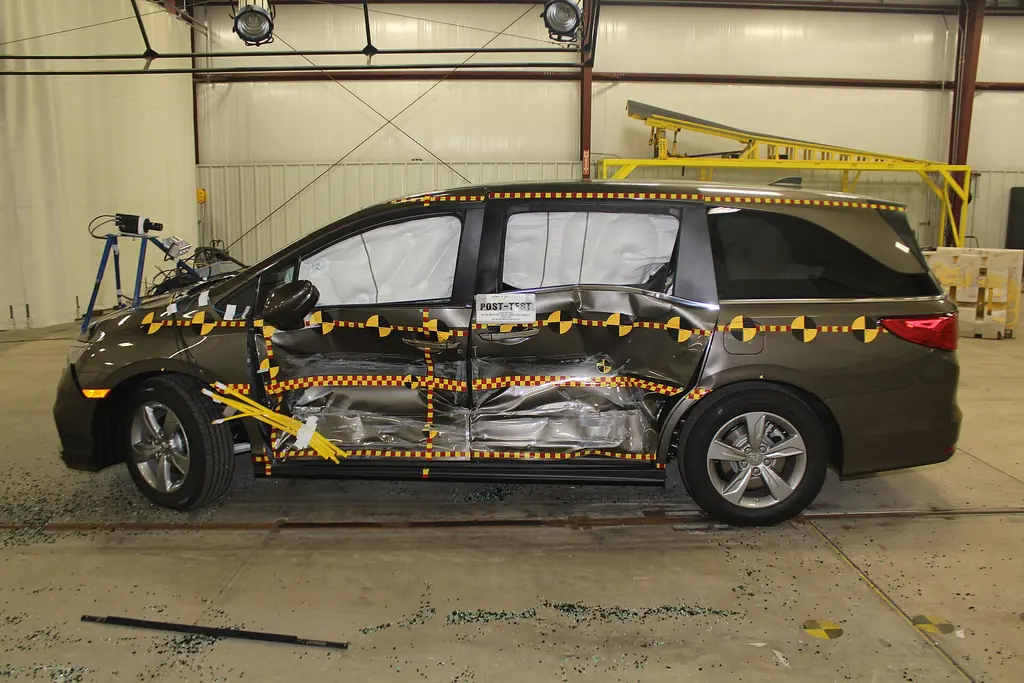
The car matters for both safety and price. The NAIC suggests that a modestly priced economy car with liability coverage may be more appropriate for a teen. IIHS approaches the question from the safety side: its list of recommended vehicles for teens requires a curb weight above 2,750 pounds, good ratings in the IIHS driver-side small overlap front test, average or better braking and handling scores from Consumer Reports; its top Best Choices tier also requires advanced or superior pedestrian front crash prevention ratings and good or acceptable headlights (IIHS safe vehicles for teens, updated May 27, 2026).
| Factor | Safety view (IIHS) | Insurance view (NAIC) |
|---|---|---|
| Size and weight | Avoid small, light cars; minimum curb weight above 2,750 lb | Vehicle make, model and year directly affect the quote |
| Crash protection | Good small overlap front rating required | Safety equipment may earn a discount |
| Crash avoidance | Best Choices tier: pedestrian front crash prevention and good or acceptable headlights | Fewer claims over time support lower rates |
| Price | Used picks range from under $5,000 to near $20,000; new picks start under $45,000 | A modestly priced car can make collision coverage cheaper or optional |
If you are shopping for that first car, our guide to buying your first car covers budgeting and paperwork, and you can check any specific model’s crash tests on the IIHS and NHTSA sites.
How Can Coverage Choices Reduce the Cost?
The NAIC notes that raising deductibles on collision and comprehensive coverage can lower premiums, but only if you can afford the larger out-of-pocket cost after a claim (NAIC consumer guide). On an older, low-value car driven by a teen, some families drop collision coverage altogether. Liability limits are different: a teen is statistically more likely to cause a crash, so cutting liability coverage to save money shifts risk onto the household’s savings and income.
- Keep liability limits high enough to protect household assets.
- Consider higher physical damage deductibles if you have an emergency fund to cover them.
- Review whether collision coverage still makes sense for an older car.
- Re-quote when the teen turns a year older, finishes a training course or improves grades.
How Do Graduated Licensing Rules and Family Rules Help?
Triple-I notes that every state now has a graduated driver licensing (GDL) law, typically moving new drivers from a learner’s permit to an intermediate license with restrictions, then to a full license (Triple-I). The IIHS data on nighttime and weekend deaths, and on teen passengers, line up with the kinds of restrictions these laws use.
The NAIC also suggests families set their own rules: hours when the teen can and cannot drive, how many friends can ride along, and how many miles the teen can drive per day or week. Fewer risky miles mean fewer claims, which over time is what keeps a teen’s insurance affordable.
Frequently Asked Questions
How much does adding a teen driver raise car insurance?
There is no official average. The Insurance Information Institute says adding a teenager can mean a 50% or even 100% increase in the parents’ premium. The actual change depends on the insurer, state, vehicle and coverage, so get quotes before your teen is licensed.
Is it cheaper to add a teen to my policy or buy them their own?
Usually adding the teen to the family policy. Both the NAIC and the Insurance Information Institute say it is generally less expensive than buying the teen a separate policy, and you may qualify for multi-car discounts.
What discounts can teen drivers get?
Common ones listed by the NAIC and Triple-I include good student discounts (often a B average or better), driver education course discounts, multi-car and bundling discounts, discounts for safety and anti-theft equipment, and discounts for students away at school without a car. Some insurers also discount monitoring devices or apps.
When do I have to add my teen to my car insurance?
Ask your insurer before your teen starts driving. Rules for drivers with learner’s permits differ by insurer and state, and every licensed household driver usually has to be listed. Giving incomplete information can cause problems at claim time.
Why are teen drivers so expensive to insure?
Because they crash more. IIHS says the fatal crash rate per mile driven for drivers ages 16 to 19 is just over three times the rate for drivers 20 and older, and 2,899 teenagers ages 13 to 19 died in motor vehicle crashes in 2024.
⚠️ Professional Notice:
Insurance discounts, rating factors and licensing rules vary by state and insurer. Crash statistics are from IIHS (2024 data, posted June 2026). Premium examples are illustrations, not quotes.
This is general information, not financial, insurance or legal advice. NextCarReview.com does not receive compensation from any lender, insurer, dealer or warranty company for editorial coverage, and does not rank or recommend specific companies.
Car Money Guides
More in this series:
Data Sources and Verification
- IIHS: Fatality facts, teenagers (2024 data)
- IIHS: Safe vehicles for teens (updated May 27, 2026)
- Insurance Information Institute: Background on teen drivers
- Insurance Information Institute: Auto insurance for teen drivers (discounts, family policy)
- NAIC: Protect yourself when insuring a teen driver
- NAIC: A Consumer’s Guide to Auto Insurance (PDF)

Morgan Reyes is the founder and editor-in-chief of NextCarReview, which Morgan launched in August 2024. A 2022 graduate of Columbia University, Morgan is based in New York and writes and edits the site’s reviews, comparisons and buying guides. Morgan does not road-test vehicles. Every article is built from published primary data: EPA FuelEconomy.gov ratings, NHTSA crash ratings, recalls and owner complaints, IIHS results, and manufacturer specifications and pricing, with each figure cited and checked before publication. Contact: admin@nextcarreview.com