In this article 8 sections
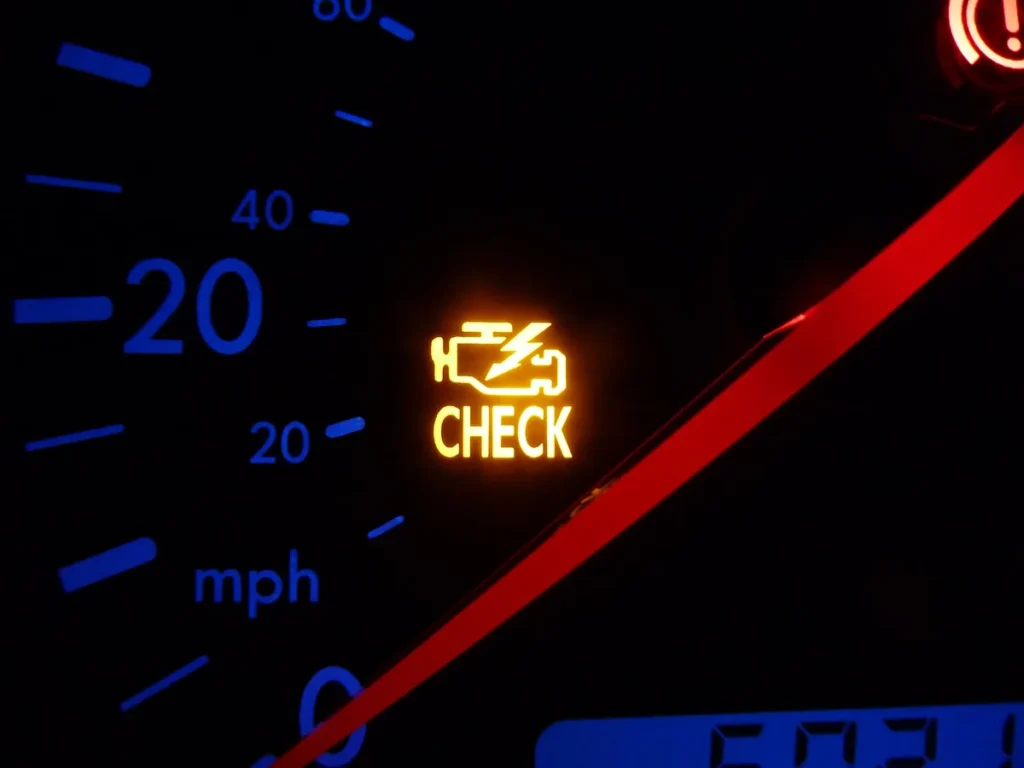
A check engine light that flashes for a few seconds or minutes and then goes steady, or goes out completely, is a confusing warning. The flashing was real, and in most cases the problem behind it has not gone away. Here is what the engine computer is doing, why the flashing stops and what to do next.
Quick answer: A flashing check engine light means the engine computer detected a misfire severe enough to damage the catalytic converter. It usually stops flashing when that misfire eases, for example after you lift off the throttle, and stays steady once a code is confirmed. The fault is usually still there, so reduce load, avoid long drives and get the codes read soon.
What a Flashing Check Engine Light Means
Consumer Reports explains that on late-model cars a blinking check engine light usually indicates an engine misfire so severe that unburned fuel is being dumped into the exhaust, where it can quickly damage the catalytic converter.
California’s OBD II regulation (Title 13, section 1968.2) requires the light to blink once per second while a catalyst-damaging misfire is occurring. Each manufacturer sets, for every engine speed and load, the misfire rate that would heat the converter enough to damage it. Cross that line and the light flashes.
GM’s owner manual for the 1998 Chevrolet C/K 1500 puts it plainly: a flashing light means “a misfire condition has been detected,” which increases emissions and “may damage the emission control system.”
Why the Light Stops Flashing
The light blinks only while the damaging misfire is actually happening. Because the threshold is set separately for each speed and load, a misfire that crosses it under hard acceleration, on a hill or while towing can drop below it once you ease off or slow down. What happens next depends on how far the fault has progressed:
- It flashes, then goes out completely. On the first detection the computer stores a pending code, and the rule lets the light go dark when the misfire is not occurring during that trip.
- It flashes, then stays on steady. Once a misfire code is confirmed, the light blinks while the misfire is happening and stays lit continuously when it stops.
- It never flashes. Some vehicles cut fuel during a severe misfire, and the regulation lets those cars show a steady light instead.
Fuel level can matter too. The GM manual notes that running low on fuel can draw air into the fuel line and cause a detectable misfire. An Audi service bulletin on NHTSA’s site likewise says misfire codes stored with a “fuel level too low” code most likely came from low fuel rather than failed ignition coils.
Pending Versus Confirmed Codes
- Pending code: stored on the first detection of a malfunction, typically within a single driving cycle and before the light is commanded on steady. A pending misfire code is erased after the next driving cycle with similar conditions if the misfire does not return.
- Confirmed code: stored when the system confirms the fault, typically on the second driving cycle in which it is detected. This is the code that keeps the light on.
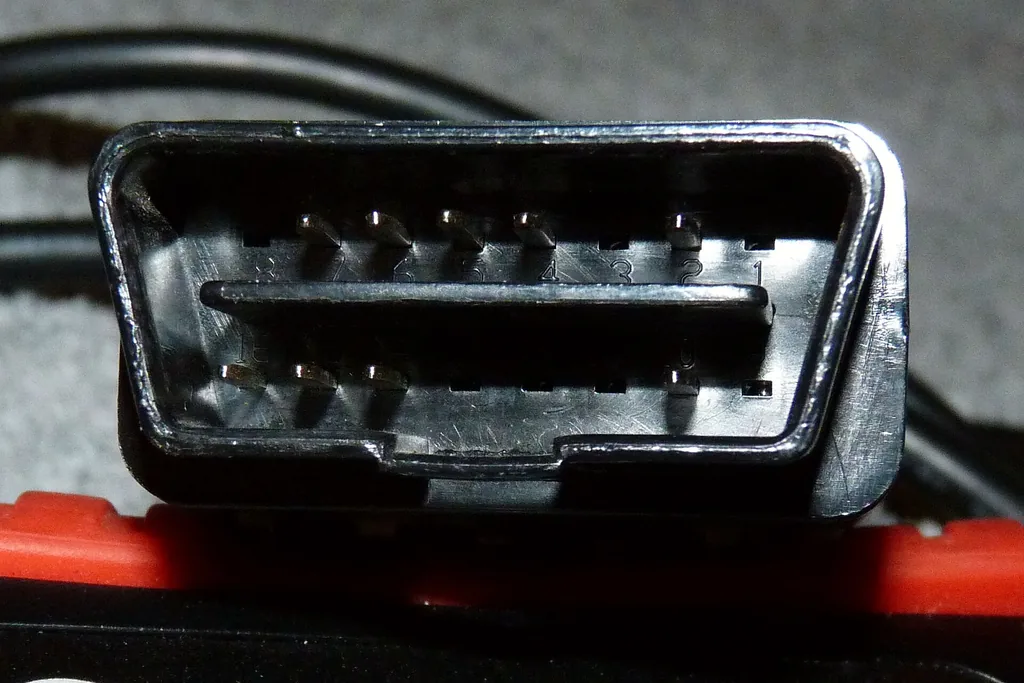
For 2005 and newer vehicles, the regulation requires pending codes to be readable through the diagnostic port (Mode or Service $07 in scan-tool terms). When you get the car scanned, ask for pending codes as well as stored ones. A one-time flash may leave only a pending code behind.
What to Do When It Flashes and After It Stops
- Reduce speed and load right away. The GM manual lists reducing speed, avoiding hard acceleration, avoiding steep uphill grades and reducing cargo if towing. Consumer Reports also advises reducing speed and engine load.
- Pull over when it is safe. AAA advises that if the light is flashing, the car is driving abnormally, or there is smoke or a strange odor, you should pull over immediately and shut off the engine. If it still flashes after a restart, a tow is the conservative choice.
- If it has gone steady or out, keep driving to a minimum. Drive gently, and only as far as a diagnosis.
- Check the fuel gauge. If the tank is nearly empty, add fuel, since low fuel is a documented misfire trigger.
- Get the codes read soon. Any repair shop can do it.
- Do not clear the code first. Clearing fault memory resets the system’s readiness status to “not complete” and erases what a technician needs to see.
Common Causes Behind the Misfire Codes
A flashing light is almost always paired with a misfire code. P0300 means random or multiple-cylinder misfire, while P0301, P0302 and onward point to one cylinder, as the Audi bulletin’s code list shows. Our P0300 code guide works through causes from cheapest up, and the P0301 guide covers a single-cylinder misfire.
The Audi bulletin warns that many faults besides ignition coils can cause misfires, so a full diagnosis should come before parts. Owners report coil failures behind this pattern: in one NHTSA complaint on a 2006 Toyota RAV4, the dealer found misfire codes for cylinders 4, 5 and 6 and replaced the number 6 coil. Chevy trucks have their own patterns, covered in our Chevy P0300 guide.
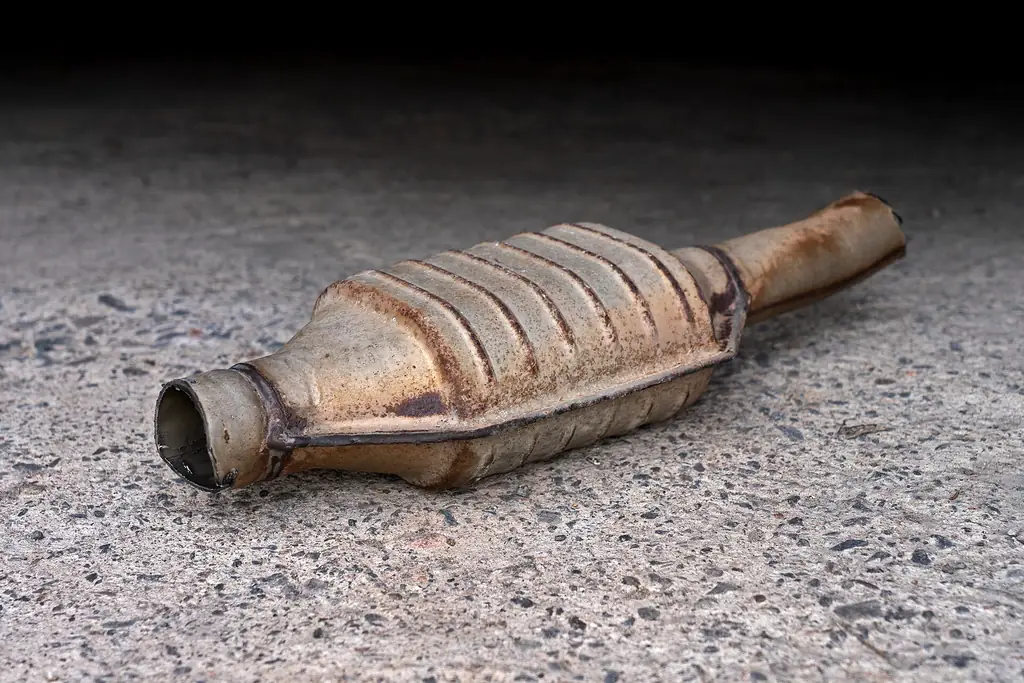
Why It Matters: The Catalytic Converter
The EPA says federal emission warranties cover specified major emission control components, namely the catalytic converter, the engine computer and the onboard diagnostic computer, for 8 years or 80,000 miles, whichever comes first. EPA’s conditions for its performance warranty include that the failure must not result from misuse or from skipping the maintenance instructions, one more reason not to keep driving on a flashing light. Our P0420 code guide covers the catalyst code that can follow converter damage.
Frequently Asked Questions About a Flashing Check Engine Light
Is it safe to drive after the check engine light stops flashing?
Why did my check engine light flash and then turn off completely?
Does a check engine light that stops flashing mean the problem fixed itself?
What is the difference between a pending and a confirmed code?
Can a flashing check engine light damage the catalytic converter?
Data Sources and Verification
- California Air Resources Board – Title 13 CCR section 1968.2 OBD II regulation (misfire MIL and fault code rules)
- GM – 1998 Chevrolet C/K 1500 owner manual, Malfunction Indicator Lamp section
- Consumer Reports – What does the check engine light mean?
- AAA – The check engine light: common causes and how to fix it
- EPA – Frequent questions on federal emission control warranties
- Audi TSB 2033630/2 (NHTSA) – MIL on with P0300 to P0304 misfire codes
- NHTSA complaints API – 2006 Toyota RAV4 (ODI 10448450)
- AutoZone Inc. Form 10-K for fiscal 2026 (SEC) – free diagnostic services

Morgan Reyes is the founder and editor-in-chief of NextCarReview, which Morgan launched in August 2024. A 2022 graduate of Columbia University, Morgan is based in New York and writes and edits the site’s reviews, comparisons and buying guides. Morgan does not road-test vehicles. Every article is built from published primary data: EPA FuelEconomy.gov ratings, NHTSA crash ratings, recalls and owner complaints, IIHS results, and manufacturer specifications and pricing, with each figure cited and checked before publication. Contact: admin@nextcarreview.com