In this article 11 sections
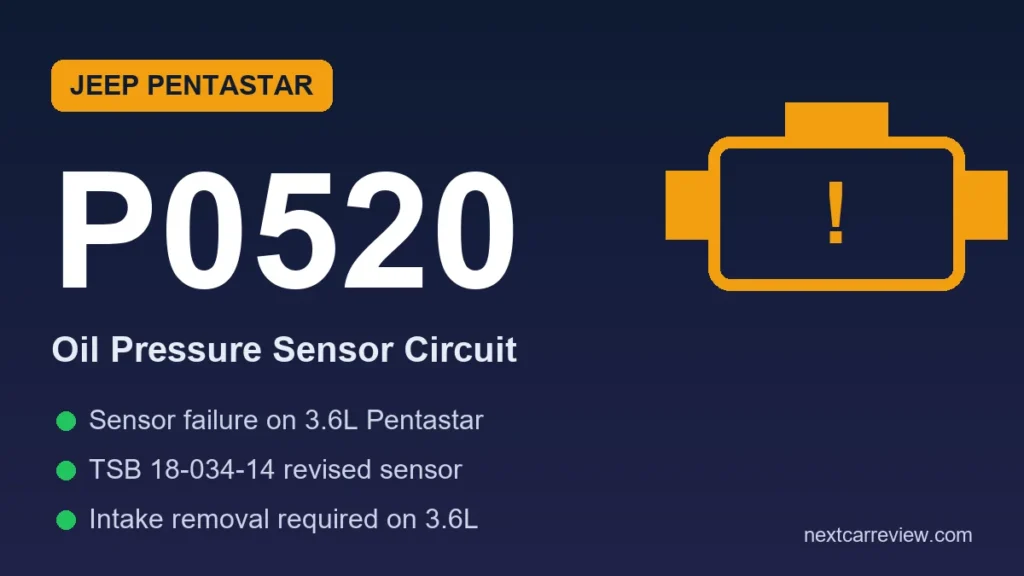
P0520 on a Jeep means the PCM detected an electrical fault in the oil pressure sensor circuit. On the 3.6L Pentastar V6, this code almost always means the oil pressure sensor itself has failed, not that your engine has low oil pressure. The sensor sits in the hottest part of the engine valley, and its plastic housing cracks from heat cycling. FCA issued TSB 18-034-14 to replace the sensor with a revised part on 2013-2014 models. Many owners report repeat sensor failures on Pentastar engines.
Jeep oil pressure sensor codes verified against FCA TSB 18-034-14 REV. A via NHTSA database. See our sourcing policy.
What Does P0520 Mean on a Jeep?
What Does P0520 Mean on a Jeep: Quick Diagnostic Intelligence
P0520 stands for Engine Oil Pressure Sensor/Switch Circuit Malfunction. The PCM monitors a voltage signal from the oil pressure sending unit and uses it to calculate oil pressure. When the signal falls outside the expected 0-5V range, the PCM sets P0520. This is an electrical circuit code. It tells you the PCM cannot trust the sensor reading. It does not confirm whether actual oil pressure is low or high.
On the 3.6L Pentastar V6, the oil pressure sending unit is a variable resistance sensor with a thin internal diaphragm that converts hydraulic pressure into an electrical signal. Normal oil pressure on these engines runs about 10 PSI at idle and 30-60 PSI at 3000 RPM. The 3.6L also uses oil pressure to control variable valve timing (VVT), which means the monitoring system is more complex than on older engines. Oil pressure typically runs around 40 PSI below 3500 RPM and jumps to about 80 PSI above 3500 RPM due to the VVT oil control solenoid system.
Older Jeep engines used a simple on/off oil pressure switch that only triggered a warning light at critically low pressure (4-7 PSI). Modern Jeeps with the Pentastar use the variable sensor type, which provides continuous pressure readings to the PCM and dashboard gauge. The code description says “Sensor/Switch” because it covers both designs.

Which Jeep Models Get P0520 Most Often?
P0520 is most common on Jeep models equipped with the 3.6L Pentastar V6. Owner reports cluster around the 2013-2016 model years. TSB 18-034-14 specifically covers 2013-2014 models built on or before March 12, 2014, suggesting FCA implemented a manufacturing change after that date.
| Model | Years Affected | Engine | Reported Frequency |
|---|---|---|---|
| Jeep Grand Cherokee (WK2) | 2011-2021 | 3.6L Pentastar V6 | Very High |
| Jeep Wrangler JK | 2012-2018 | 3.6L Pentastar V6 | Very High |
| Jeep Wrangler JL | 2018-2024 | 3.6L Pentastar V6 | High |
| Jeep Cherokee (KL) | 2014-2023 | 3.2L Pentastar V6 | High |
| Jeep Gladiator (JT) | 2020-2024 | 3.6L Pentastar V6 | Moderate |
| Jeep Cherokee (KL) | 2014-2023 | 2.4L Tigershark I4 | Moderate |
| Jeep Compass | 2017-2024 | 2.4L Tigershark I4 | Low |
| Jeep Renegade | 2015-2024 | 2.4L Tigershark I4 | Low |
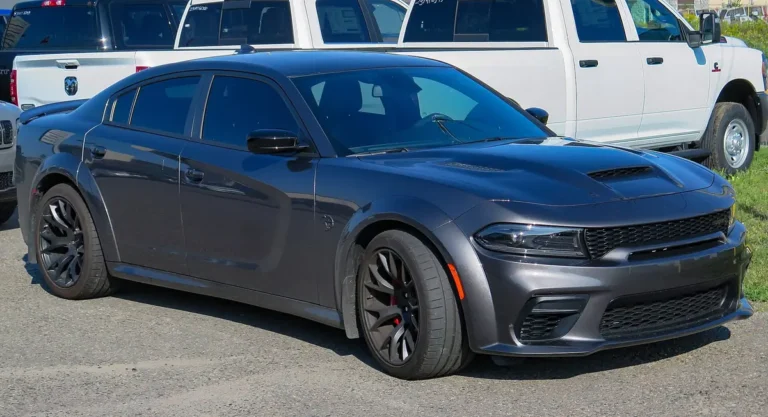
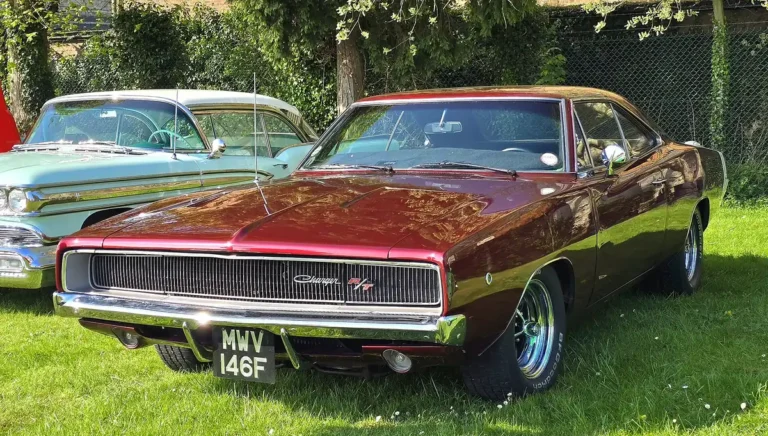
The 3.6L Pentastar is shared across the Chrysler, Dodge, and Ram lineup. The same TSB also lists the Dodge Charger, Challenger, Durango, Chrysler 300, Ram 1500 and Ram ProMaster.

Common Causes of P0520 on Jeep
The causes below are ranked by how often each one triggers P0520 on Jeep vehicles, based on the TSB, technician reports, and owner forum data. The percentages are estimates, not FCA figures.
1. Oil Pressure Sensor Failure (About 70-80% of Cases)
The oil pressure sending unit is the most common cause by a wide margin. On the 3.6L Pentastar, the sensor sits in the engine valley between the cylinder banks, integrated into a plastic oil filter and cooler housing assembly. The plastic housing develops cracks from thousands of heat cycles in the hottest part of the engine. As the sensor body cracks, oil wicks into the electrical connector pins, causing erratic readings or complete signal loss. FCA addressed this by issuing TSB 18-034-14 REV. A with a revised sensor part number (05149062AA). The replacement sensor costs $28-$124 depending on OEM versus aftermarket. Always use OEM Mopar or Standard Motor Products. Cheap sensors from Amazon and eBay ($10-$20) frequently fail within months, and the 1-2 hours of labor to replace them on a 3.6L makes that false economy.
2. Wiring and Connector Corrosion (About 10-15% of Cases)
Oil from a failing sensor migrates into the connector and coats the pins. Moisture mixing with the oil residue creates a conductive path that causes signal drift. Corroded pins produce “ghost signals” where the PCM reads false pressure drops. Even with a new sensor, corroded connector pins can cause recurring P0520 codes. Clean the connector pins with electrical contact cleaner and apply dielectric grease before reconnecting. If the corrosion is severe, the connector pigtail may need replacement.
3. Low Oil Level (About 3-5% of Cases)
P0520 sometimes appears after an oil change if the level is low or air is trapped in the system. Multiple forum reports document P0520 appearing immediately after oil changes. Verify the correct quantity was added (about 6 quarts for the 3.6L with filter) and that the level sits between the MIN and MAX marks on the dipstick.
4. Wrong Oil Viscosity (About 2-3% of Cases)
The 3.6L Pentastar is very sensitive to oil viscosity because of the VVT system. Using 10W-40 instead of the specified 5W-20 or 0W-20 can affect pressure readings at the sensor. Check your owner’s manual for the correct weight. Some 2014 and newer Pentastar applications specify 0W-20.
5. Actual Low Oil Pressure (Rare but Serious, Under 2%)
Oil pump failure or worn main and rod bearings can cause genuine low oil pressure. This scenario would more typically trigger P06DD, P06DE, or P0524 codes in addition to P0520. Oil pump replacement costs $989-$1,170 at a shop. If P0520 appears with the red oil pressure warning light, stop the engine and verify pressure with a mechanical gauge before driving further.
TSB 18-034-14 REV. A: The Official Fix
FCA (now Stellantis) released Technical Service Bulletin 18-034-14 REV. A for P0520 on a wide range of FCA engines. The TSB covers 2013-2014 models with 2.0L, 2.4L, 3.0L, 3.2L, 3.6L, 5.7L, 6.4L, and 8.4L engines built on or before March 12, 2014.
| TSB Detail | Information |
|---|---|
| TSB Number | 18-034-14 REV. A |
| Date Released | July 15, 2014 |
| Models Covered | 2013-2014 Jeep Grand Cherokee and Wrangler, 2014 Cherokee, plus many Chrysler, Dodge and Ram models |
| Build Date Cutoff | On or before March 12, 2014 |
| Fix | Replace oil pressure sensor with revised part (05149062AA for V6/V8, 68145662AA for 2.0L/2.4L) |
| NHTSA Reference | MC-10217709-9999 |
| Warranty | Covered under powertrain warranty; dealers may offer goodwill repairs near warranty expiration |
The sensor part number has been revised multiple times since the original TSB: the TSB lists 05149062AA (V6/V8 engines) and 68145662AA (2.0L/2.4L), and later supersessions exist. Always use the latest part number for your model year when ordering a replacement.
How to Diagnose P0520 on a Jeep
Follow these steps in order. The oil pressure sensor is the most likely cause, but you must verify actual oil pressure before assuming the sensor is bad.
Step 1: Read All Codes and Check for Companions
Use an OBD-II scanner to confirm P0520. Check for companion codes that change the diagnosis. P0521 (range/performance) and P0523 (high voltage) point to sensor issues. P0522 (low voltage) with an illuminated oil light is potentially critical and means you should stop the engine. P0524 (oil pressure too low) or P06DD/P06DE (VVT oil control solenoid) suggest an actual mechanical problem beyond just the sensor.
Step 2: Check Oil Level and Condition
Pull the dipstick. The level should sit between MIN and MAX. Look for milky oil (coolant contamination) or metal flakes (bearing wear). Verify the correct oil weight: typically 5W-20 or 0W-20 for the Pentastar. If the oil was recently changed, confirm the correct quantity was added.
Step 3: Inspect the Sensor Connector
On the 3.6L, the oil pressure sensor connector is in the engine valley under the intake manifold. On the 2.4L Tigershark (Cherokee, Compass, Renegade), it is near the water pump on the lower passenger side. Disconnect the connector and inspect the pins for oil contamination, corrosion (green or white deposits), bent pins, or heat damage. Oil in the connector is a strong sign the sensor body is cracked. Clean contaminated pins with electrical contact cleaner and apply dielectric grease.
Step 4: Check Wiring Harness
Inspect the wiring from the sensor to the PCM for chafing against engine components, heat damage from exhaust proximity, rodent damage, or broken wires. Use a multimeter to check continuity and proper resistance in the circuit.
Step 5: Verify Pressure with a Mechanical Gauge
This is the critical step. Remove the oil pressure sensor and thread in a mechanical oil pressure gauge adapter. Start the engine and check pressure. At idle (warm), you should read at least 10-25 PSI. At 3000 RPM, you should read 30-60 PSI. If the mechanical gauge shows good pressure, the sensor or circuit is the problem. If the gauge shows low pressure, you have an actual mechanical issue (oil pump, bearings) that needs immediate attention.
Step 6: Replace the Sensor
If mechanical pressure checks out, replace the oil pressure sending unit. On the 3.6L Pentastar, this requires upper intake plenum removal (about 1-2 hours of book labor (FCA’s TSB allows 1.0-1.8 hours on 3.6L models)). On the 2.4L Tigershark, the sensor is accessible from the passenger wheel well with a 27mm deep socket (1-2 hours). Consider replacing the entire oil filter housing assembly on the 3.6L at the same time, since the plastic housing is a known failure point and you are already paying for the intake removal labor. Use OEM Mopar or Standard Motor Products sensors only. Apply dielectric grease to the connector after installation. Clear codes and test drive.

P0520 Repair Costs on Jeep
The labor cost varies significantly by engine. The 3.6L Pentastar requires intake manifold removal, which drives up labor time. The 2.4L Tigershark is much more accessible.
| Model/Engine | DIY Cost | Shop Cost | Notes |
|---|---|---|---|
| Grand Cherokee 3.6L | $50-$165 | $323-$439 | Plenum removal required, 1.3 hours TSB labor |
| Wrangler JK 3.6L | $50-$165 | $398-$535 | Most expensive due to access difficulty |
| Wrangler JL 3.6L | $50-$165 | $281-$378 | Slightly better access than JK |
| Cherokee 3.2L | $50-$140 | $213-$276 | Similar to 3.6L access |
| Renegade/Compass 2.4L | $40-$100 | $166-$228 | Accessible from wheel well, 1-2 hours |
| Oil filter housing (3.6L) | $200-$400 | $400-$800 | Replace with sensor to avoid repeat labor |
| Oil pump replacement | N/A | $989-$1,170 | Only if mechanical gauge confirms low pressure |
Dealership labor rates are often higher than independent shops. If you use an independent shop, make sure they have Chrysler-specific scan tools for verifying the repair.
Why Cheap Aftermarket Sensors Fail on the Pentastar
The engine valley on the 3.6L Pentastar reaches 200-250 degrees Fahrenheit or higher during normal operation. Cheap aftermarket sensors ($10-$20) use inferior diaphragm materials that cannot handle these temperatures. Some aftermarket units have poor sealing that allows oil intrusion from day one. The revised OEM Mopar design (post-TSB) uses better heat-resistant materials that aftermarket copies do not always replicate.
Given that the labor to access the sensor on a 3.6L costs $200-$380, spending an extra $80 on an OEM Mopar sensor ($114-$124) versus a budget aftermarket part ($28-$48) is well worth it. Multiple forum users report replacing cheap aftermarket sensors two or three times before finally buying OEM.
P0520 vs. Related Oil Pressure Codes
| Code | Meaning | Severity | Most Common On |
|---|---|---|---|
| P0520 | Circuit Malfunction (general electrical fault) | Moderate — diagnose soon | Grand Cherokee, Wrangler |
| P0521 | Range/Performance (signal valid but implausible) | Moderate | Cherokee 3.2L |
| P0522 | Low Input Voltage (shorted to ground or actual low pressure) | HIGH — stop if oil light is on | All Pentastar |
| P0523 | High Input Voltage (sensor stuck high) | Moderate | All Pentastar |
| P0524 | Oil Pressure Too Low (confirmed low pressure) | CRITICAL — stop engine | All Pentastar |
P0520 is the most common standalone code on Jeeps. P0520 and P0522 appearing together is very common when the sensor is dying and producing low readings. P0522 alone without confirmed good pressure means pull over and check immediately.
Can You Drive With P0520?
P0520 alone is usually safe to drive short distances to a shop or parts store. On Pentastar engines, P0520 almost always means a failed sensor, not an actual oil pressure problem. An actual oil pump failure would more likely trigger P06DD, P06DE, or P0524 codes.
However, without a functioning oil pressure sensor, you have no warning system if actual low pressure develops while driving. If the red oil pressure warning light illuminates along with P0520, do not drive until you verify pressure with a mechanical gauge. Do not ignore P0520 for weeks or months. Always confirm actual oil pressure is good with a mechanical gauge before assuming the sensor is the only problem.
Frequently Asked Questions About P0520 on Jeep
What is the most common fix for P0520 on a Jeep?
Is P0520 a sensor problem or an actual oil pressure problem?
Why is P0520 repair so expensive on the 3.6L Pentastar?
Should I use OEM or aftermarket oil pressure sensors on my Jeep?
Can P0520 cause engine damage if I ignore it?
Does TSB 18-034-14 cover my Jeep for free repair?
⚠️ Professional Notice:
This guide covers P0520 (Engine Oil Pressure Sensor/Switch Circuit Malfunction) specifically on Jeep vehicles with the Pentastar V6 and Tigershark I4 engines. P0520 is a generic OBD-II powertrain code that applies to all manufacturers, but the causes and repair approach are specific to Jeep’s engine designs. For related codes, see our guides to P0521, P0522, and P0456 on Jeep.
Cost figures are published estimates and vary by vehicle, region and shop. Always get a written quote before authorizing a repair. NextCarReview.com does not receive compensation from any parts manufacturer, retailer, dealer or repair chain for editorial coverage.
Data Sources and Verification
- FCA TSB 18-034-14 REV. A (NHTSA reference MC-10217709-9999) for official P0520 repair procedure, labor times and revised sensor part numbers
- RepairPal certified shop estimates for Jeep Grand Cherokee, Wrangler, Cherokee, Renegade, and Compass oil pressure sensor replacement
- WranglerForum, JeepForum, and JK-Forum multi-year owner discussion threads with hundreds of repair reports
- Mopar eStore for current OEM sensor part numbers and pricing
- OBD-Codes.com and AutoCodes.com for P0520/P0521/P0522/P0523 technical definitions
For official rules, ratings and consumer guidance on this topic, see:
More trouble code guides: All car trouble code guides by make, P0456 Code on Jeep.

Morgan Reyes is the founder and editor-in-chief of NextCarReview, which Morgan launched in August 2024. A 2022 graduate of Columbia University, Morgan is based in New York and writes and edits the site’s reviews, comparisons and buying guides. Morgan does not road-test vehicles. Every article is built from published primary data: EPA FuelEconomy.gov ratings, NHTSA crash ratings, recalls and owner complaints, IIHS results, and manufacturer specifications and pricing, with each figure cited and checked before publication. Contact: admin@nextcarreview.com