
In this article 10 sections
In 2025, new-car prices hit a record above $50,000 while used prices held near $25,000 to $26,000. Discover when to buy, negotiation tricks, and new vs. used value for 2025 car prices.
Buying a car in 2025 is a big decision. Car prices 2025 are high, but deals are out there. The market is changing, with new and used cars showing different trends. Incentives are growing, and supply is improving.
This guide dives into car prices 2025 trends. It helps you decide when to buy, how to negotiate, and whether new or used cars offer better value. Let’s jump in!
Car Prices in 2025 – Market Overview
The car prices 2025 market is a mixed bag. Kelley Blue Book put the average new-vehicle transaction price at $50,080 in September 2025, a record and 3.6% higher than a year earlier. Cox Automotive put the average used-vehicle listing price at about $25,800 at the start of October 2025. This makes 2025 a unique market. Affordability is tough with high loan rates. But manufacturers are offering rebates and low APR deals.
Supply chains are recovering, increasing car availability. Even so, Toyota and Honda dealers still tend to run leaner inventory than most brands. However, tariff talks could push car prices 2025 higher. To navigate this, research values and shop smart.
New Car Prices in 2025 – Are They Going Up or Down?
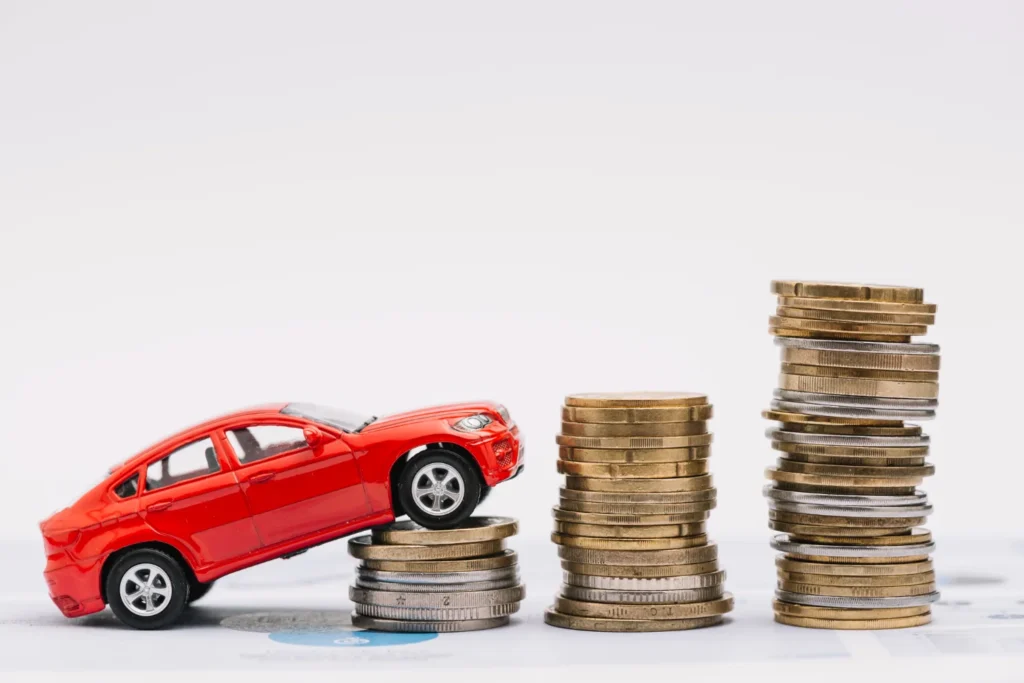
Some early forecasts called for a small dip, but Kelley Blue Book data show new-vehicle prices kept rising and set a record of $50,080 in September 2025. The good news: supply chains are stronger than during the chip shortage, and more inventory has brought back incentives on many models.
Electric vehicles (EVs) and hybrids cost more than gas cars. Battery costs have fallen, but EVs still carry a premium: KBB put the average EV transaction price at $58,124 in September 2025. Incentives help, though. Look for rebates, 0% APR, or lease specials.
For example, in-demand models such as the Toyota Camry hybrid tend to sell quickly with few discounts. Slow sellers and outgoing models usually carry bigger incentives.
Why Are New Car Prices Stabilizing?
Several factors are at play. First, chip supply has recovered since the shortage. Second, inflation has slowed from its peak, easing component costs. But labor costs keep car prices 2025 high.
Finally, competition is growing. Brands like Genesis undercut many luxury rivals on price.
Used Car Prices in 2025 – Still High or Finally Dropping?
Used car prices 2025 are cooling but still high. Cox Automotive put the average listing price at about $25,400 at the start of September 2025 and $25,800 a month later, up about 2% from a year earlier. Why? Supply is low. Fewer new cars sold during the pandemic means fewer used cars now. This keeps prices up.
Some cars hold value better. Toyota Corolla and Honda Civic are reliable and popular. Pickup trucks, like the Ford F-150, stay pricey due to demand. Cars over 100,000 miles lose value fast and may need repairs.
Check Carfax for history. Low-mileage cars (under 60,000 miles) are safer buys.
Which Used Cars Are Best?
Here’s a table of used cars that hold value in 2025:
| Car Type | Examples | Why They Hold Value |
| Compact Sedans | Toyota Corolla, Honda Civic | Reliable, fuel-efficient |
| Midsize SUVs | Toyota RAV4, Honda CR-V | Popular, durable |
| Pickup Trucks | Ford F-150, Ram 1500 | High demand, rugged design |
Should You Buy a Car Now or Wait Until Later in 2025?
Timing your purchase in 2025 depends on your needs. Buying early has perks. Dealerships offer incentives like rebates and low APR in January and February. New-car inventory is healthier than during the shortage years, which gives you more choices.
However, waiting until late 2025 could save more. Car prices 2025 may drop further as new models arrive in fall. Older models often see bigger discounts. For example, a 2025 model might have better rebates by December. But tariffs could raise prices, especially for imports.
Location affects deals. Incentives vary by region and by dealer, so compare offers from several stores. Explore our How to Find the Perfect Car in 2025 (Step-by-Step) for guidance.

Pros and Cons of Buying Now vs. Waiting
- Buy Now: More inventory, early incentives, tariff protection.
- Wait: Possible price drops, new model releases, better leases.
Negotiating Car Prices in 2025
Negotiating can lower car prices 2025 significantly. Know your budget but don’t share it early. Ask for the dealer’s best price first. Use Kelley Blue Book or Carfax to check values. If a used Honda Civic lists at $22,000 but the market value is $20,500, mention it.
Dealers are more flexible than private sellers. They want to clear lots. Compare online listings for leverage. If a car is cheaper elsewhere, show the dealer. Used cars often have more haggling room than new ones.
New cars offer less, but incentives help. Visit at month-end when salespeople chase quotas.
Top Haggling Tips
- Stay polite but firm.
- Use online prices for leverage.
- Ask for extras, like free maintenance.
- Walk away if the deal isn’t right.
New vs Used Cars in 2025 – Which is the Better Deal?
Choosing between new and used cars in 2025 depends on your goals. New cars offer 3-5 year warranties, reliability, and incentives like 0% APR. But they cost about $50,000 on average and can lose around 20% or more of their value in year one.
Used cars, at roughly $25,000 to $26,000 in average listing price, are cheaper. They’ve already depreciated, saving you money upfront. But repairs can add up, especially over 100,000 miles.
Financing differs, too. New car loans usually carry lower rates than used car loans, and subprime borrowers pay much more for either. For budget buyers, used cars offer better value. If reliability is key, go new.

Financing Comparison
- New Car Loans: Lower rates, longer terms (up to 72 months).
- Used Car Loans: Higher rates, shorter terms (48-60 months).
Budget-Friendly Car Buying Tips for 2025
Stick to a budget in 2025. Use the 20% rule: spend no more than 20% of your yearly income. If you earn $50,000, cap your budget at $10,000. Keep monthly payments under 15% of monthly income. For $3,000 monthly income, aim for $450 or less.
Budget-friendly picks:
- $5,000 Budget: 2010-2012 Honda Civic or Toyota Corolla. Reliable, low-cost.
- $10,000 Budget: 2015-2017 Ford Focus or Hyundai Elantra. Good features.
- $20,000 Budget: 2019-2021 Toyota RAV4 or Honda CR-V. Modern, valuable.
Avoid Craigslist scams. Check Carfax for accidents. Test-drive every car.
Avoiding Overpriced Cars
- Check mileage and condition.
- Compare prices online.
- Skip cars with unclear histories.
FAQs
Are used car prices set to soar?
What is the best bang for your buck in a used car?
What’s the maximum mileage you’d buy?
Should I buy a 20-year-old car?
Tips for negotiating Honda prices?
Conclusion
In 2025, car prices 2025 are in flux. New cars averaged a record $50,080 in September 2025. Used listings averaged about $25,800, still high due to low supply. Incentives and smart negotiation can save thousands.
Related guides: more buying and ownership guides and Cash Back Kings: The Best Cars for Resale Value.
Whether buying new or used, timing and research are key. Visit our Best Car Deals of 2025 and Step-by-Step Buying Guide to buy with confidence.
For official rules, ratings and consumer guidance on this topic, see:
Sources
- Kelley Blue Book / Cox Automotive: September 2025 average transaction price report
- Cox Automotive: used-vehicle inventory and listing prices, September 2025

Morgan Reyes is the founder and editor-in-chief of NextCarReview, which Morgan launched in August 2024. A 2022 graduate of Columbia University, Morgan is based in New York and writes and edits the site’s reviews, comparisons and buying guides. Morgan does not road-test vehicles. Every article is built from published primary data: EPA FuelEconomy.gov ratings, NHTSA crash ratings, recalls and owner complaints, IIHS results, and manufacturer specifications and pricing, with each figure cited and checked before publication. Contact: admin@nextcarreview.com