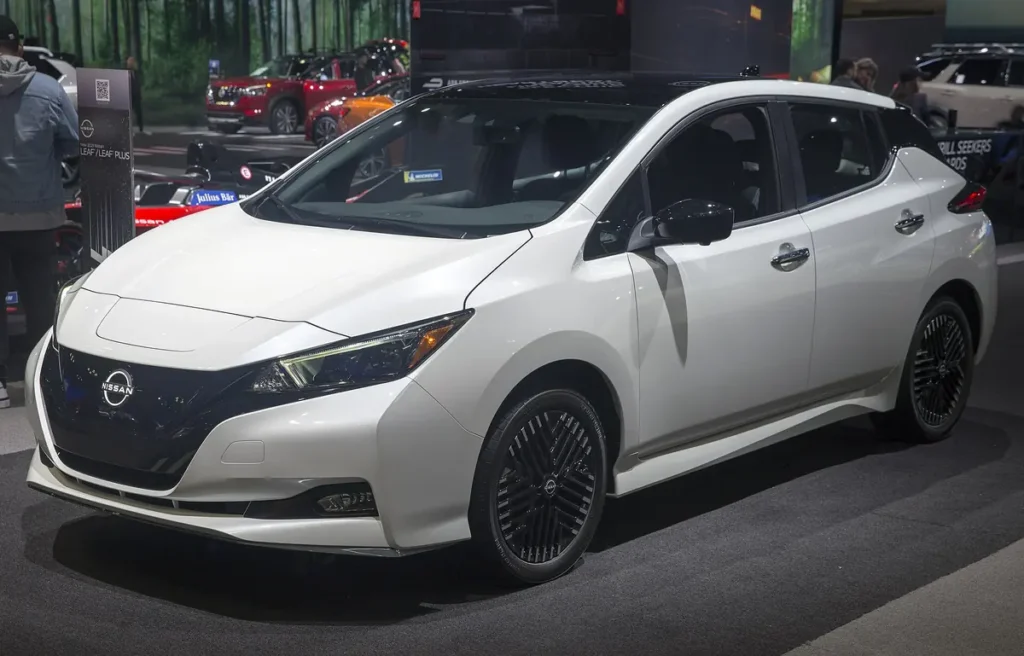
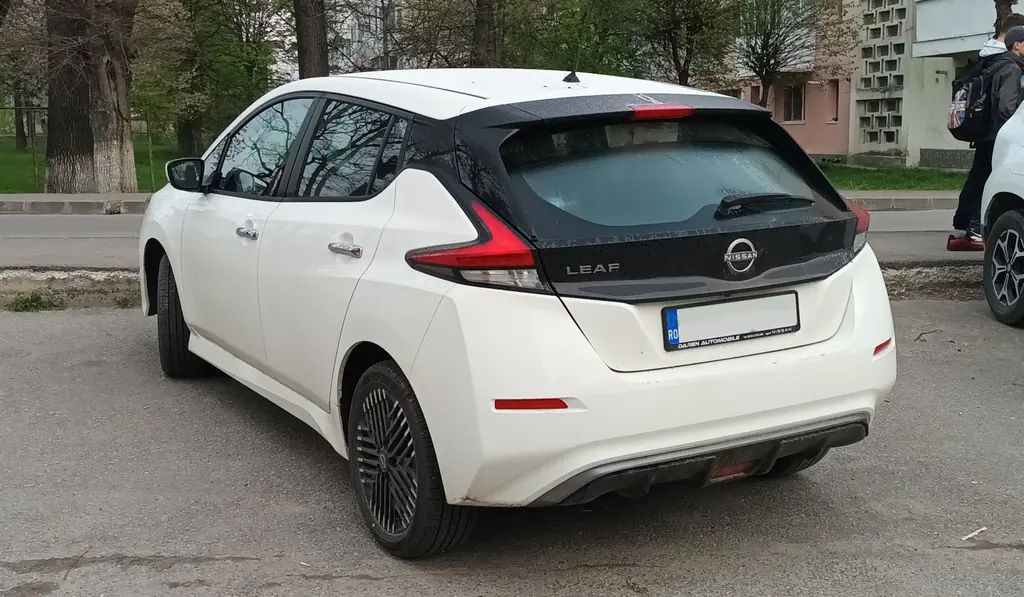
2023 Nissan Leaf (ZE1 facelift), rear 3/4 exterior. Photo: RammoBo, CC BY-SA 4.0, via Wikimedia Commons
The 2025 Nissan LEAF offers budget-friendly electric driving with up to 212 miles of range, zippy acceleration, and advanced tech. Available in S and SV Plus trims, it’s a practical choice for eco-conscious drivers. It suits city commuting. This review also covers recalls and what to check when buying one used.
Electric cars are changing how people drive. Among them, the 2025 Nissan LEAF stands out as a budget-friendly, eco-conscious option. It’s a pioneer in the electric vehicle (EV) world, offering a blend of affordability, practicality, and modern technology.
In this guide, we will look at the Nissan LEAF 2025. We will cover its specs, range, trims, and why it is one of the best electric cars for daily use.
If you want to learn about the Nissan LEAF S 2025 or the Nissan LEAF SV Plus 2025, this blog is for you. It also covers other electric cars, like Hyundai.
Let’s get started!
What Makes the 2025 Nissan LEAF Special?
The Nissan LEAF has been a trailblazer since 2010. It was one of the first mass-market electric vehicles. Today, the Nissan LEAF continues to deliver zero-emission driving at a price that won’t break the bank.
With a starting price of around $28,140, it’s one of the most affordable EVs available. Plus, it’s packed with features that make it perfect for city commutes and short trips.
Why choose the Nissan LEAF 2025? First, it offers instant acceleration. Second, it has a spacious interior. Third, its low running costs save you money.
Finally, it’s eco-friendly, producing zero tailpipe emissions. These qualities make it a top pick for anyone new to electric vehicles or looking for a practical second car.
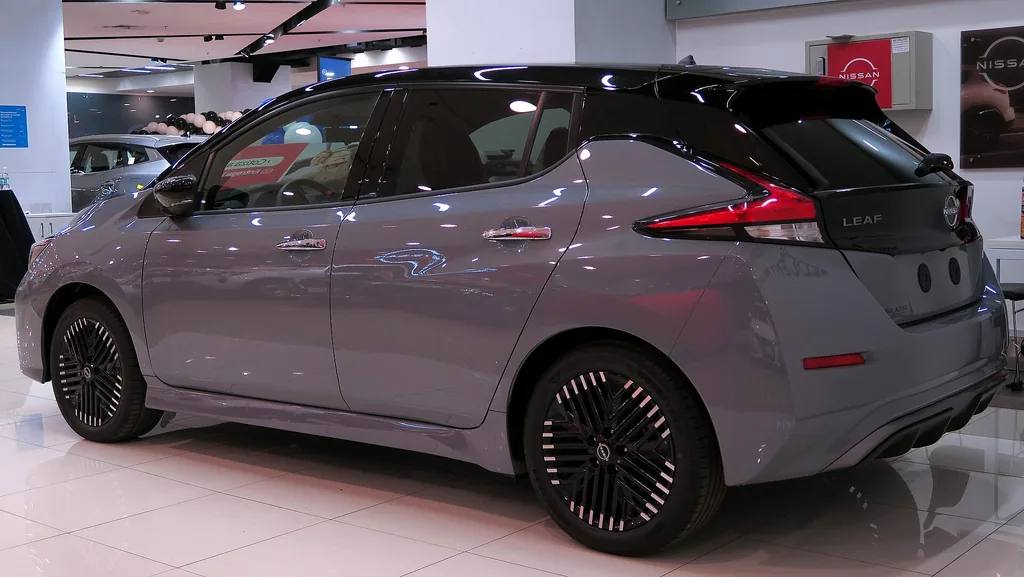
2023 Nissan Leaf Tekna (ZE1 facelift), rear 3/4 / side, second colour. Photo: RL GNZLZ from Chile, CC BY-SA 2.0, via Wikimedia Commons
Key Specifications
The Nissan LEAF 2025 comes in two main trims: the Nissan LEAF S 2025 and the Nissan LEAF SV Plus 2025. Each trim offers different power and range options. Here’s a quick overview:
Trim
Battery Size
Horsepower
EPA-Estimated Range
Starting Price
Nissan LEAF S
40 kWh
147 hp
149 miles
$28,140
Nissan LEAF SV Plus
60 kWh
214 hp
212 miles
$36,190
Nissan LEAF S 2025: The Budget-Friendly Choice
The Nissan LEAF S 2025 is the entry-level model. It’s perfect for budget-conscious buyers. It comes with a 40-kWh battery and a 147-horsepower electric motor.
This setup delivers a range of 149 miles per charge, according to the EPA. While this range is modest, it’s enough for daily commutes or running errands.
The LEAF S is quick off the line thanks to instant electric torque. Nissan does not publish an official 0-60 mph time.
The trim includes standard features like an 8-inch touchscreen, Apple CarPlay, Android Auto, and Nissan Safety Shield 360. These features add value, making it a solid choice for first-time EV buyers.
Nissan LEAF SV Plus 2025: More Power, More Range
The Nissan LEAF SV Plus 2025 steps things up. It has a larger 60-kWh battery and a stronger 214-horsepower motor. As a result, it offers an EPA-estimated range of 212 miles. This makes it better suited for longer drives or those who want extra range confidence.
The SV Plus accelerates faster thanks to its 214-hp motor. It also includes premium features like heated seats, a heated steering wheel, and ProPILOT Assist, a semi-autonomous driving system. For those who want a bit more luxury and range, the SV Plus is the way to go.
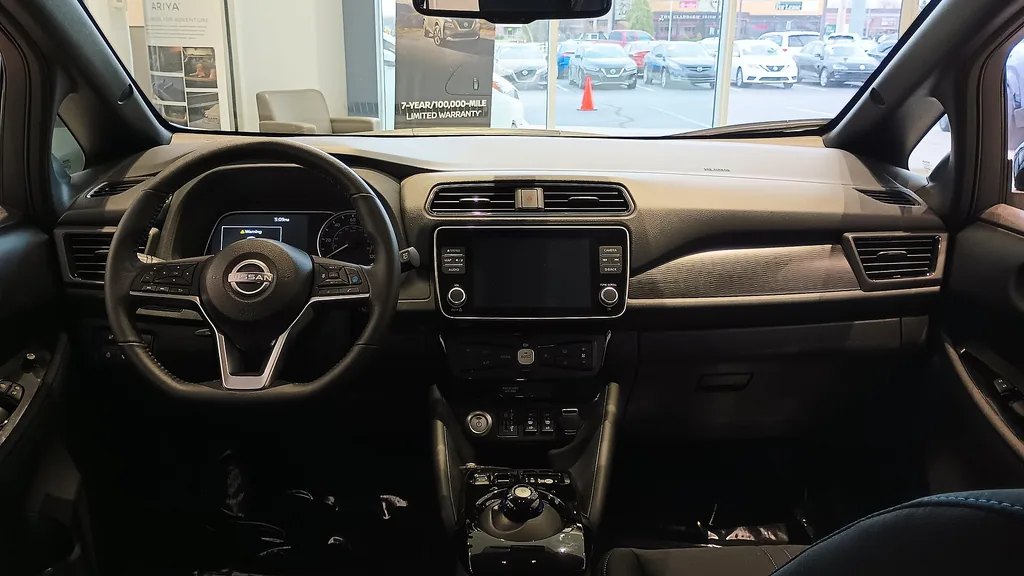
2023 Nissan Leaf (ZE1 facelift), interior / dashboard. Photo: deathpallie325, CC BY-SA 4.0, via Wikimedia Commons
Nissan LEAF Range 2025: How Far Can It Go?
The Nissan LEAF range 2025 varies by trim. The LEAF S offers 149 miles, while the SV Plus extends to 212 miles. These numbers are EPA estimates, meaning real-world range depends on factors like driving style, weather, and accessory use.
For example, cold weather or heavy use of air conditioning can reduce range slightly.
To put this in perspective, the Nissan LEAF S 2025 is ideal for short commutes. If you drive 30-40 miles daily, you’ll only need to charge a few times a week. The Nissan LEAF SV Plus 2025, with its 212-mile range, can handle longer trips or less frequent charging.
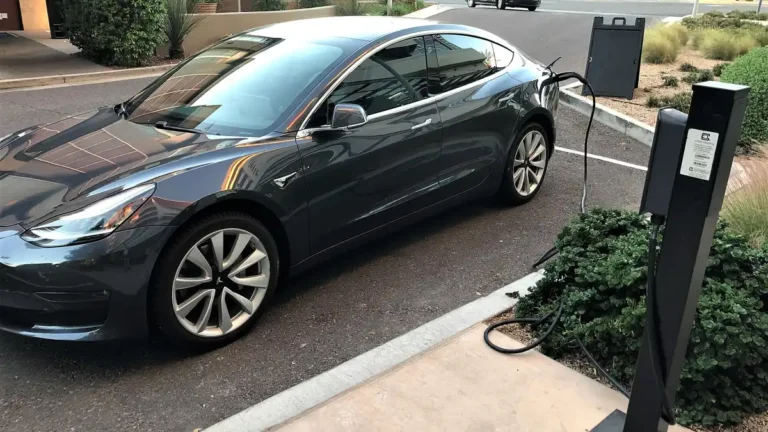
However, compared to rivals like the Tesla Model 3 (over 300 miles) or Hyundai Kona Electric (up to 261 miles), the LEAF’s range is shorter.
Charging the 2025 Nissan LEAF
Charging is a key part of owning an electric vehicle. The Nissan LEAF offers multiple charging options:
Level 1 (120-volt): Using a standard household outlet, it takes about two days to fully charge. This is slow but works for overnight charging if you’re not in a hurry.
Level 2 (240-volt): With a home or public Level 2 charger, the 6.6 kW onboard charger fills the S in about 7.5 hours and the larger SV Plus pack in roughly 11.5 hours. This is the most practical option for daily use.
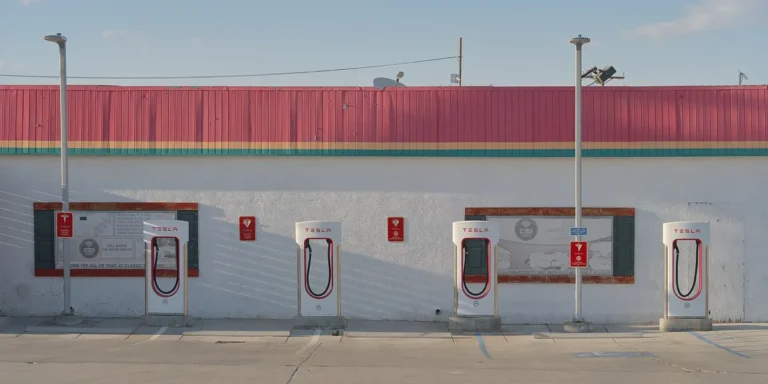
DC Fast Charging: The LEAF supports fast charging, reaching 80% in roughly 40-60 minutes, depending on the trim. The S peaks at 50 kW and the SV Plus at about 100 kW, both slower than many competitors, and both use the older CHAdeMO plug.
Nissan also offers the MyNISSAN app. This app helps you find public chargers, monitor battery status, and even preheat or cool the cabin remotely. These features make charging convenient and stress-free.
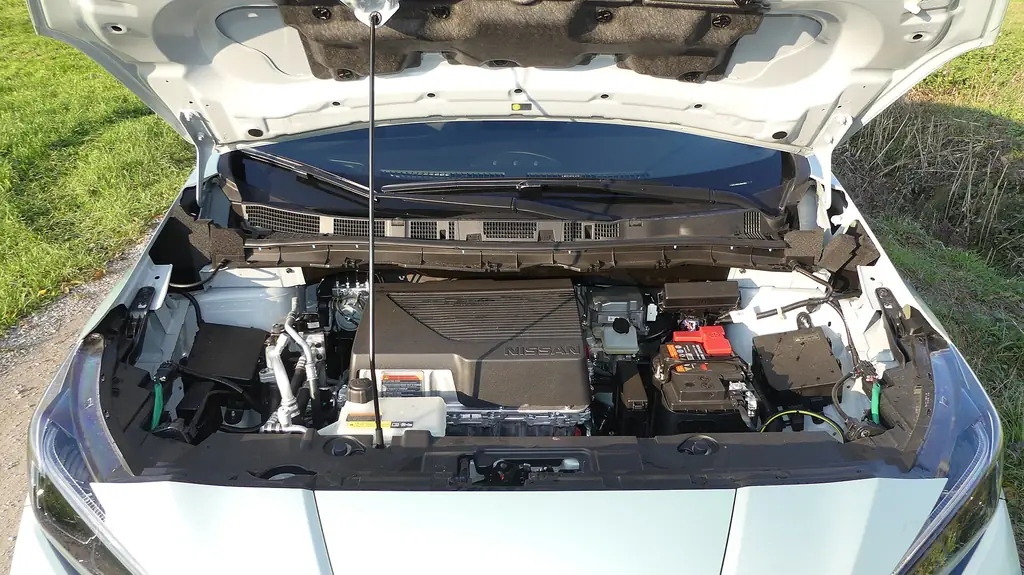
Nissan Leaf (ZE1), detail – under the hood (electric motor/inverter). Photo: Reinhard Müller, CC BY-SA 4.0, via Wikimedia Commons
Why Choose an Electric Car Like the Nissan LEAF?
Electric cars like the Nissan LEAF are gaining popularity. Why?
They save money on fuel, reduce emissions, and offer smooth, quiet rides. The Nissan LEAF 2025 is especially appealing because of its low price. Starting at $28,140, it’s cheaper than many rivals, including the long-range Hyundai Kona Electric and the Kia Niro EV, which both start well above $30,000.
EVs have lower maintenance costs. There are no oil changes or complex engine parts to worry about. The Nissan LEAF also comes with a three-year/36,000-mile basic warranty, a five-year/60,000-mile powertrain warranty, plus an eight-year/100,000-mile battery warranty. This gives you peace of mind.
However, the Nissan LEAF 2025 has some limitations. Its range and charging speed lag behind newer EVs.
For example, the Tesla Model 3 offers faster charging and a longer range. Still, for budget buyers or those with short commutes, the LEAF is a great choice.
Comparing the 2025 Nissan LEAF to Other Electric Cars
How does the Nissan LEAF 2025 stack up against competitors? Let’s compare it to other best electric cars in its class:
Vehicle
Starting Price
EPA Range
Horsepower
Fast Charging Speed
Nissan LEAF S 2025
$28,140
149 miles
147 hp
50 kW
Nissan LEAF SV Plus 2025
$36,190
212 miles
214 hp
~100 kW
Hyundai Kona Electric
~$33,000+
200–261 miles
133–201 hp
100 kW+
Kia Niro EV
~$40,000
253 miles
201 hp
85 kW
Tesla Model 3 Long Range RWD
$42,490
363 miles
Not published
250 kW
Nissan LEAF vs. Hyundai Kona Electric
The Hyundai Kona Electric is a strong competitor. It offers a 261-mile range and faster 100-kW charging. Plus, its interior feels more modern. However, the long-range version is pricier. The Nissan LEAF S 2025 is a better deal for those prioritizing cost over range.
Nissan LEAF vs. Kia Niro EV
The Kia Niro EV has a 253-mile range and an 85-kW charging speed. Like the Kona, it’s more expensive than the LEAF. The Nissan LEAF SV Plus 2025 is closer in price but still falls short in range. If budget is your focus, the LEAF wins.
Nissan LEAF vs. Tesla Model 3
The Tesla Model 3 is a common benchmark for EVs. The 2025 Long Range RWD boasts a 363-mile EPA range and 250-kW fast charging. However, it costs $42,490. The 2025 Nissan is nearly half the price, making it a better choice for budget-conscious buyers.
Driving Experience:
Its electric motor delivers instant torque, so it is quick off the line, and the SV Plus adds more power. The LEAF’s low center of gravity, thanks to its underfloor battery, ensures stable handling.
Published reviews often describe the suspension as firm over bumps and the steering as light. Most also note the quiet cabin and smooth acceleration.
Another standout feature is the e-Pedal. This allows one-pedal driving, where lifting off the accelerator slows the car significantly. It’s great for stop-and-go traffic and boosts efficiency. Overall, the Nissan LEAF 2025 is practical and enjoyable for short trips.
Interior and Technology
The Nissan LEAF 2025 has a roomy cabin. It seats five and offers 23.6 cubic feet behind the rear seat, or about 30 cubic feet with the rear seats folded. This is great for groceries, sports gear, or small furniture.
The interior is functional but not luxurious. Materials feel basic compared to the Hyundai Kona Electric or Kia Niro EV. Still, the Nissan LEAF SV Plus 2025 adds nice touches like heated seats and a heated steering wheel.
Technology is a strong point. Both trims come with an 8-inch touchscreen, Apple CarPlay, Android Auto, and NissanConnect.
The SV Plus includes ProPILOT Assist, which helps with steering, braking, and acceleration on highways. The MyNISSAN app lets you control charging and climate settings from your phone.
Safety Features
Safety is a priority for the Nissan LEAF 2025. Both trims include Nissan Safety Shield 360, which offers:
Automatic emergency braking with pedestrian detection
Blind-spot monitoring
Lane departure warning
Rear cross-traffic alert
Automatic high beams
NHTSA rates both 2025 LEAF battery versions 5 stars overall (4 frontal, 5 side, 4 rollover). Check IIHS results too, including the LATCH ease-of-use rating if you install car seats.
The Future of the Nissan LEAF: What’s Next?
The 2025 Nissan LEAF was the last of the second generation. The third-generation LEAF arrived for 2026. It is a crossover with a 75-kWh battery and an EPA-rated range of 259 to 303 miles, depending on wheels.
It will also feature faster 150-kW charging and the Tesla-compatible NACS port. It is built on the CMF-EV platform.
A used 2025 LEAF is now a low-cost way into an EV, while the 2026 model is the better choice for range and charging.
Is the 2025 Nissan LEAF Right for You?
The 2025 LEAF is perfect for certain drivers. It’s ideal if you:
Want an affordable electric vehicle under $30,000
Have a short daily commute (30-50 miles)
Prefer a hatchback with good cargo space
Value reliability and low running costs
However, it’s not the best choice if you need a long range (over 250 miles) or fast charging for frequent road trips. In those cases, consider the Hyundai Kona Electric or Tesla Model 3.
Buying a Used 2025 Nissan LEAF? What to Check
The 2025 LEAF is now a used or leftover purchase. Battery health matters more than mileage. Here is what to check.
NHTSA recalls
NHTSA lists no recall campaigns for the 2025 LEAF (40 kWh or 60 kWh battery) as of October 2026. Run the VIN at NHTSA anyway, since recalls can be added later.
What changed after 2025
The third-generation 2026 LEAF is a crossover with a 75-kWh battery, an EPA-rated 259 to 303 miles of range, faster charging and a NACS port. The 2025 hatchback uses the older CHAdeMO fast-charging plug, which is becoming harder to find at public stations.
Practical checks
Check the battery capacity bars on the dash and ask a Nissan dealer for a battery health report.
Confirm the remaining 8-year/100,000-mile battery warranty from the original in-service date.
Plan on home Level 2 charging, since CHAdeMO fast chargers are less common.
FAQs
How much is a 2025 Nissan LEAF?
The 2025 Nissan LEAF started at $28,140 for the S trim and $36,190 for the SV Plus, before destination, taxes and fees. Prices vary by trim and options.
What is the range of the 2025 Nissan LEAF?
The 2025 Nissan LEAF S offers 149 miles of EPA-estimated range, while the SV Plus provides 212 miles, ideal for city commutes and short trips.
How long does it take to charge a 2025 Nissan LEAF?
Level 2 charging takes about 7.5 hours (S) to 11.5 hours (SV Plus) for a full charge. DC fast charging reaches 80% in 40-60 minutes, depending on the trim.
What trims are available for the 2025 Nissan LEAF?
The 2025 Nissan LEAF comes in two trims: S (40-kWh battery, 147 hp) and SV Plus (60-kWh battery, 214 hp) for more power and range.
Is the 2025 Nissan LEAF eligible for a federal tax credit?
No. The 2025 LEAF did not qualify, and the federal new and used EV credits ended for vehicles acquired after September 30, 2025.
Does the 2025 Nissan LEAF have any recalls?
NHTSA lists no recall campaigns for the 2025 LEAF (40 kWh or 60 kWh) as of October 2026. Check the VIN, since recalls can be added later.
Should I buy a used 2025 LEAF or a 2026 LEAF?
The 2026 LEAF has far more range (259 to 303 miles EPA) and a NACS port. A used 2025 costs much less but uses CHAdeMO fast charging and has 149 to 212 miles of range.
Conclusion
The 2025 Nissan LEAF is a pioneer in the electric car world. With trims like the Nissan LEAF S 2025 and Nissan LEAF SV Plus 2025, it offers something for every budget. Its Nissan LEAF range 2025 of 149-212 miles suits city drivers, while its low price and modern tech make it a standout.
Although it faces tough competition from Hyundai electric cars and other best electric cars, the LEAF remains a reliable, affordable choice. If you buy one used, check the battery health first.
Check the official data
Specs, prices and safety ratings change between model years and trims. Verify them for the exact 2025 Nissan you are considering:
Morgan Reyes is the founder and editor-in-chief of NextCarReview, which Morgan launched in August 2024. A 2022 graduate of Columbia University, Morgan is based in New York and writes and edits the site’s reviews, comparisons and buying guides. Morgan does not road-test vehicles. Every article is built from published primary data: EPA FuelEconomy.gov ratings, NHTSA crash ratings, recalls and owner complaints, IIHS results, and manufacturer specifications and pricing, with each figure cited and checked before publication. Contact: admin@nextcarreview.com