
the 2026 honda Prelude is a meticulously engineered grand touring coupe. Its two-motor e:HEV system delivers seamless torque, while the S+ shift technology adds engagement without mimicking a manual transmission. With retuned civic Type R hardware, the ride strikes a perfect balance between comfort and handling. However, the $42,000 price tag places it dangerously close to the Type R, and the absence of federal tax credits means buyers must prioritize refinement over raw performance metrics.
Figures cross-checked against EPA, NHTSA, IIHS and manufacturer sources. See our sourcing policy.
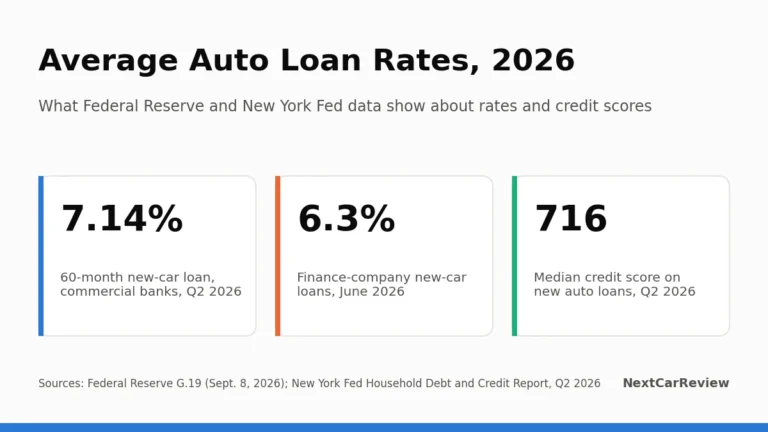
There is a critical detail regarding the 2026 honda Prelude that most enthusiast reports overlook: this vehicle is completely ineligible for the federal EV tax credit. Due to its non-plug-in e:HEV architecture, the prelude falls outside the requirements of the Inflation Reduction Act. In any case, the federal EV credit ended for vehicles acquired after September 30, 2025. This means the $42,000 MSRP (plus $1,195 destination) gets no federal incentive. This financial reality is essential to consider before nostalgia clouds your judgment.
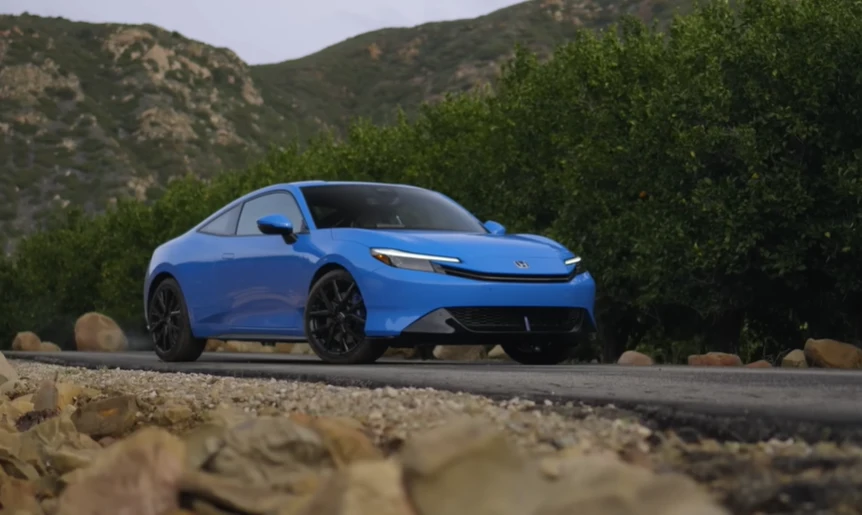
Despite this, the vehicle itself is remarkably impressive. Returning after roughly a quarter-century away, Honda has reintroduced the nameplate as a sixth-generation, front-wheel-drive hybrid sports coupe. Built upon the acclaimed civic Type R chassis, it features a 200-horsepower two-motor powertrain and introduces a unique simulated-gearing system dubbed S+ shift. Early evaluations from test drives in japan and france have been overwhelmingly positive. However, excitement must always be tempered with logic, which is exactly what this guide aims to provide.
We offer the deep analysis that initial coverage has missed. We examine the powertrain’s operation in detail, project ownership costs over three years, compare it against realistic market rivals, and deliver a clear verdict on who is the ideal buyer for this car.
📌 2026 Honda Prelude | Quick Market Intelligence
| System Power Output | 200 hp (SAE net) | 232 lb-ft torque @ 0–2,000 rpm (electric motor) |
| Engine | 1,993cc atkinson-cycle inline-4, 141 hp @ 6,000 rpm | 16-valve DOHC dual-VTC |
| Drivetrain | Front-wheel drive | two-motor e:HEV | S+ shift with paddle shifters | no plug-in charging |
| Price (US) | $42,000 MSRP + $1,195 destination | one fully equipped trim (two-tone extra) |
| Fuel Economy | EPA: 46 city / 41 highway / 44 combined MPG |
| Federal Tax Credit Eligible? | ❌ no (non-plug-in hybrid) |
| Chassis Donor | Civic Type R (dual-axis strut front, multi-link rear, Brembo 4-piston, adaptive dampers — retuned) |
| 0–60 mph | Not published by Honda |
| Cargo Volume | 15.1 cu ft (liftback hatch) | 32.0 in rear legroom |
| Key Competitor | Honda Civic Type R (~$45K), honda Civic Si (~$31K), BMW 2 series Coupé |
| Safety Suite | Honda Sensing standard | IIHS/NHTSA ratings pending |
| NextCar analysis | Editorial Standard Verified ✔️ | sources: Honda OEM specs, engineering press conference data |
What Is the 2026 Honda Prelude and Where Does It Fit?
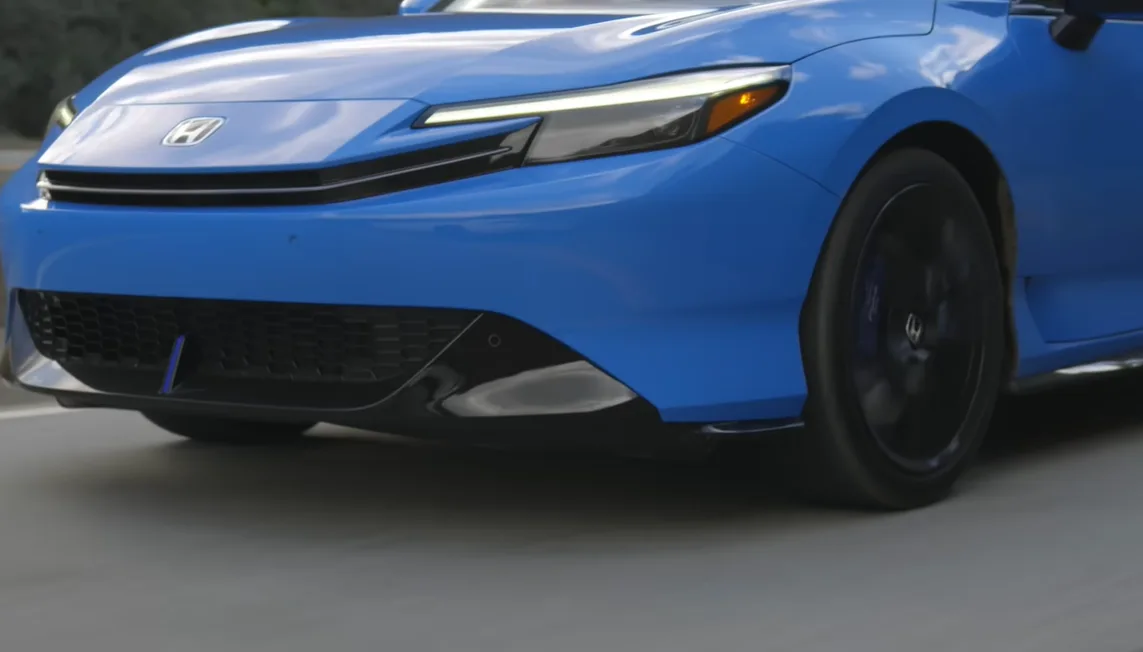
The 2026 Honda Prelude marks the sixth generation of Honda’s celebrated sport coupe line, reviving the nameplate after the fifth generation ended production in 2001. It will be sold in a single, fully loaded trim level, positioning it squarely between the civic Si and the civic Type R. Chief Engineer Yoshiharu Saito has stated that the car is designed for “fun in everyday life” rather than for setting lap records. This distinction is vital for anyone considering a purchase.
The Honda Lineup Bracket
| Model | Approx. Price (US) | Power | Drivetrain | Character |
|---|---|---|---|---|
| Civic Si | ~$31,000 | 200 hp (turbo) | FWD, 6-speed manual | Sport sedan, driver’s tool |
| Prelude | ~$42,000 | 200 hp (hybrid) | FWD, e:HEV + S+ shift | Grand touring coupe, daily driver |
| Civic Type R | ~$45,000 | 315 hp (turbo) | FWD, 6-speed manual | Performance flagship, track-capable |
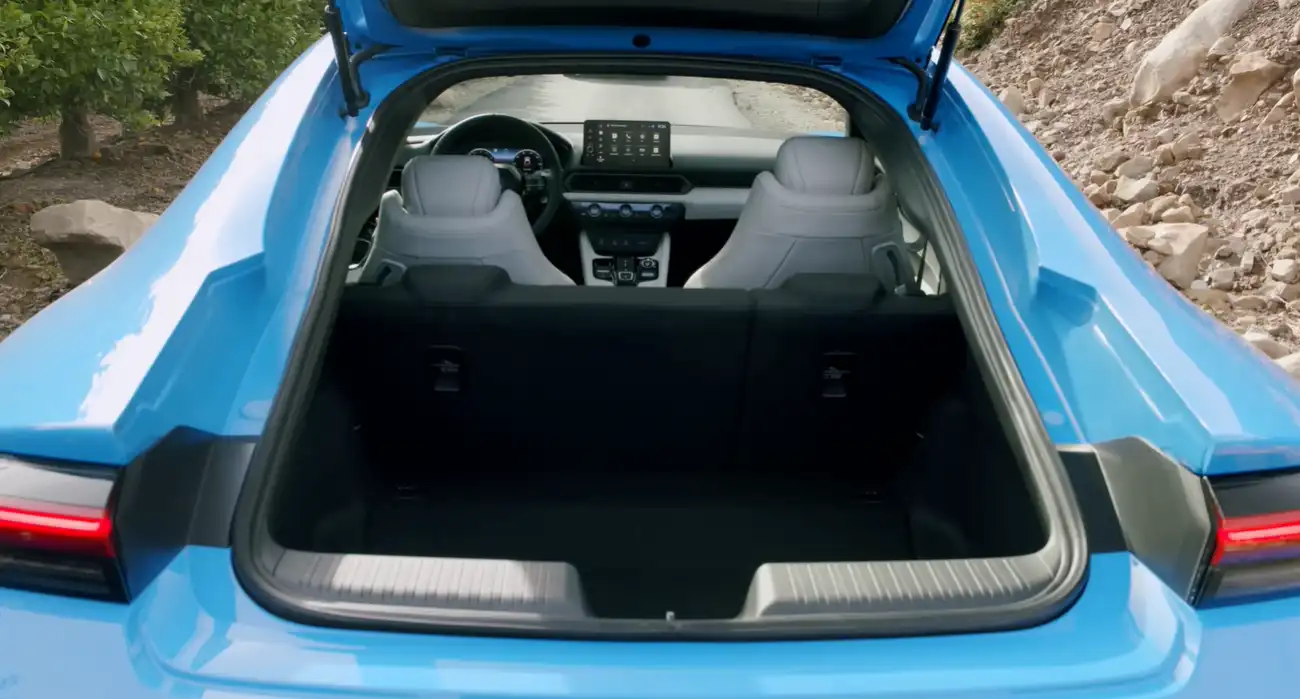
As a 2+2 coupe, the prelude provides legitimate utility, featuring 32.0 inches of rear legroom and a liftback hatch that opens to 15.1 cubic feet of storage. The car measures 74 inches in width on a 102.6-inch wheelbase. Project Leader Tomoyuki Yamagami described the engineering goal as creating “a car that flows, not one that fights.” ideally, it should be viewed as a grand touring coupe built on high-performance hardware rather than a dedicated track weapon.
Powertrain: How the Two-Motor e:HEV System Works in Practice
Atkinson-Cycle Engine Architecture and Why It Matters
Beneath the hood sits a 1,993cc atkinson-cycle inline-four engine. Equipped with direct fuel injection and 16-valve DOHC dual variable timing control, it generates 141 horsepower at 6,000 rpm. The Atkinson cycle is chosen for its superior thermal efficiency rather than brute force. Within the Honda e:HEV system, this engine serves primarily as a generator for the battery and electric motor, rarely driving the wheels directly.

The powertrain adapts seamlessly to driving conditions via three modes. At low speeds, the engine shuts off, allowing the 181-horsepower electric motor to propel the car using stored energy. At cruising speeds, a clutch engages to connect the engine directly to the wheels for maximum efficiency. During spirited driving in Sport or S+ shift modes, the engine and motor work in tandem to deliver a combined system output of 200 horsepower and 232 lb-ft of torque.
electric Motor: 181 hp @ 5,000–6,000 rpm | 232 lb-ft @ 0–2,000 rpm
Total System Output: 200 hp (SAE net)
drive: front-wheel drive | direct drive unit | no conventional transmission
S+ Shift Explained: Virtual Gears on a Single-Speed Drivetrain
A Honda first, the S+ shift system introduces eight virtual gear ratios to the otherwise single-speed e:HEV architecture. By manipulating engine RPM in synchronization with the electric motor, the system mimics gear shifts, throttle blips, and gear holding through steering wheel paddles. According to project Leader Yamagami, this effectively creates “one top gear divided into eight virtual steps.”
Reports from the tochigi R&D facility suggest that downshifting in S+ mode produces a realistic rise in engine revs along with audible engine braking. The sound is authentic, further amplified by active Sound Control (ASC) to enhance the driving experience in Sport and individual modes.
Drive Modes and Fuel Economy
Drivers can choose from comfort, GT, Sport, and individual modes. These settings adjust throttle sensitivity, steering weight, damper stiffness, and engine sound. Notably, S+ shift is exclusively available in Sport and individual modes. The EPA rates it at 46 mpg city, 41 highway and 44 combined, close to the accord and Civic Hybrid hybrids that share its architecture. Always verify final ratings at fueleconomy.gov.
Chassis & Driving Dynamics: Civic Type R Hardware
The 2026 prelude inherits the high-performance chassis hardware of the civic Type R, including the dual-axis strut front suspension and multi-link rear suspension. It also utilizes Brembo four-piston brakes with 13.8-inch front rotors. However, everything has been retuned to balance “precision, but also grace,” resulting in softer spring rates and revised roll stiffness.
Steering Character and Handling
The steering system, shared with the Type R, has been recalibrated for the prelude. This variable-ratio setup offers a direct feel, with feedback that improves as speed increases. The Prelude also debuts honda Agile Handling Assist (AHA), which uses brake vectoring to simulate the behavior of a limited-slip differential. While not a mechanical replacement, it significantly enhances cornering stability during daily driving.
Tire Choice: All-Season vs. Summer
| Specification | Standard All-season (235/40R19 96V) | Optional Summer Tires |
|---|---|---|
| Dry Grip | Good | Significantly higher |
| Wet Grip | Good | Comparable or slightly lower |
| Winter Traction | Adequate | Not recommended below 45°F |
| Noise Level | Lower road noise | Moderate increase in road noise |
| Wear Rate | Slower | Faster |
| Best For | Year-round ownership | Performance driving |
For drivers prioritizing handling, the optional summer tires provide sharper cornering response. However, those in colder climates should stick with the standard all-seasons or invest in dedicated winter tires.
Interior, Technology & Infotainment
Seat Design and Cabin Tech
The Prelude introduces an asymmetric seat bolstering design. The driver’s seat focuses on maximum support during cornering, while the passenger seat prioritizes long-distance comfort. The cabin is finished in perforated soft-touch leather featuring houndstooth patterns and blue stitching. Technology duties are handled by a 9-inch touchscreen with google Built-in for navigation and media, supported by wireless Apple CarPlay and android Auto.
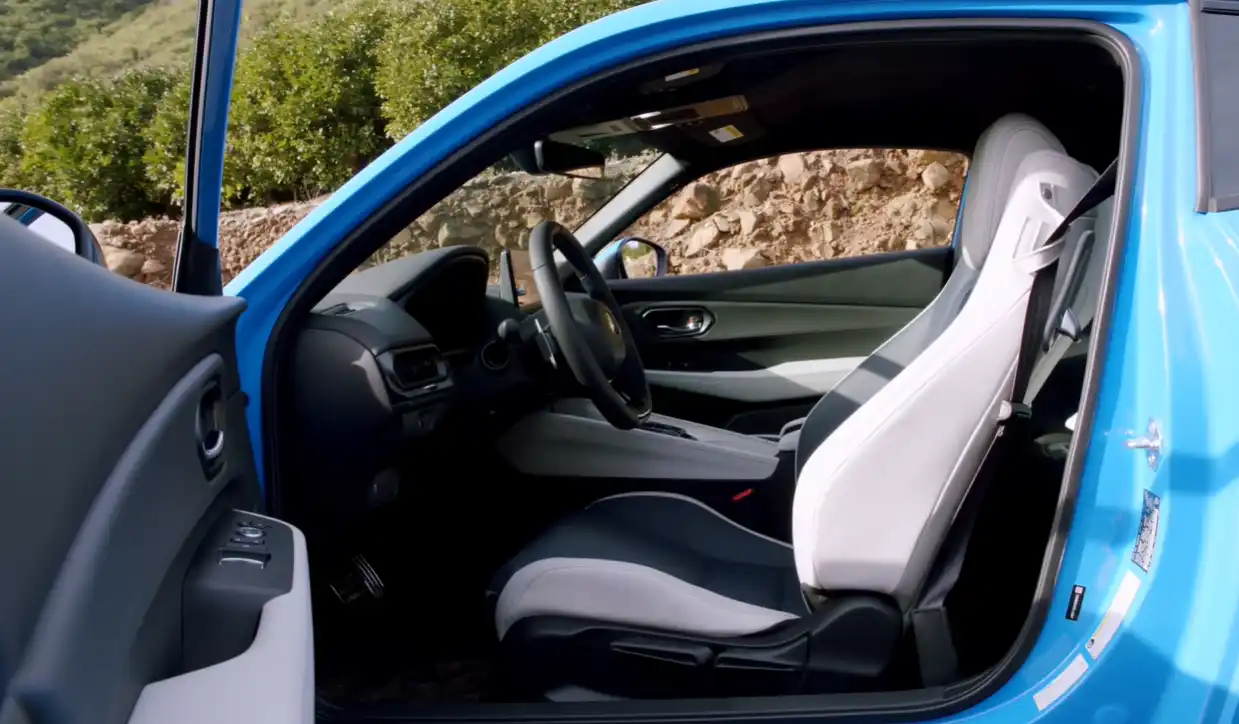
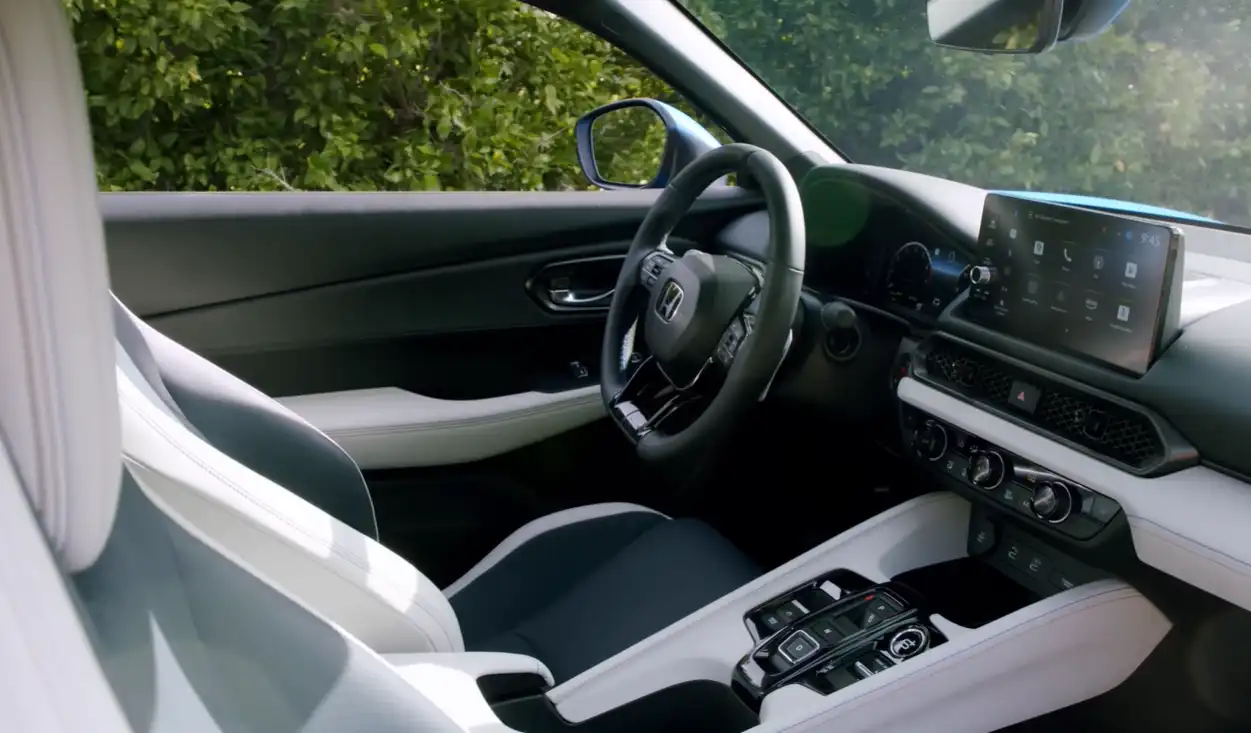
A bose Centerpoint 8-speaker audio system, engineered specifically for the prelude, ensures high-quality sound. In terms of utility, the liftback design offers 15.1 cubic feet of cargo space, which can be expanded by folding the rear seats. Check out our Honda Civic Review to see how this compares to the sedan’s utility.
Is the 2026 Prelude Worth $42,000?
Price in Context
At $42,000 MSRP, the prelude sits in an awkward position between the $31,000 civic Si and the $45,000 civic Type R. It offers a middle ground of refinement and efficiency that neither sibling provides. It is the ideal choice for a buyer who wants a premium coupe experience without the harshness of a track-focused car.
Projected 3-Year Total Cost of Ownership
| Cost Category | Honda Prelude (est.) | Civic Si (est.) | Civic Type R (est.) |
|---|---|---|---|
| Purchase Price | ~$42,000 | ~$31,000 | ~$45,000 |
| Federal Tax Credit | $0 (ineligible) | $0 | $0 |
| Fuel (3 yr) | ~$7,000 | ~$9,450 | ~$10,500 |
| Insurance | Sport coupe premium | Sport premium | Performance flag |
| Maintenance | Lower (e:HEV) | Moderate | Higher |
Insurance premiums will likely reflect the “sport coupe” classification, generally 15 to 25 percent higher than comparable sedans. However, the hybrid system significantly reduces maintenance costs by eliminating transmission fluid changes and extending brake life. For more details on insurance costs, see our guide on Sports Car Insurance Rates.
Who Should Buy the 2026 Honda Prelude?
Choose the civic Si instead if: budget is a major concern, or you demand a manual transmission and raw engagement.
Stretch to the civic Type R if: performance is your top priority. The Type R offers significantly more power and track capability for a small price premium.
The Prelude is perfect for drivers who have outgrown pure performance cars but still want something engaging. It is not a softer Type R; rather, it is a faster, sharper civic Hybrid wrapped in a stunning coupe body. Viewing it through this lens justifies the price tag.
Frequently Asked Questions
What is the 2026 honda Prelude’s fuel economy?
Does the 2026 honda Prelude need to be plugged in?
Does the 2026 honda Prelude qualify for the federal EV tax credit?
How much does the 2026 honda Prelude cost?
Is the 2026 honda Prelude worth buying over the civic Si?
How does the 2026 honda Prelude compare to the civic Type R?
Does the 2026 honda Prelude have a limited-slip differential?
What does S+ shift actually do?
Can I get summer tires on the 2026 honda Prelude?
What active safety features are included?
Will there be a honda Prelude Type R?
Related guides: browse all sedan guides and Navigating the 2026 Hatchback Market: Your Guide to the Best Options.
⚠️ professional Notice:
NextCarReview.com provides technical automotive analysis and educational resources. We are not a law firm, and this guide does not constitute legal advice. Laws regarding auto accidents and vehicle regulations are highly localized and change frequently. We strongly recommend consulting a licensed professional for specific claims or financial decisions. Pricing estimates and tax credit eligibility are based on current data and may change.
Sources
- FuelEconomy.gov: 2026 Honda Prelude EPA ratings
- Edmunds: 2026 Honda Prelude pricing
- IRS: clean vehicle credit

Morgan Reyes is the founder and editor-in-chief of NextCarReview, which Morgan launched in August 2024. A 2022 graduate of Columbia University, Morgan is based in New York and writes and edits the site’s reviews, comparisons and buying guides. Morgan does not road-test vehicles. Every article is built from published primary data: EPA FuelEconomy.gov ratings, NHTSA crash ratings, recalls and owner complaints, IIHS results, and manufacturer specifications and pricing, with each figure cited and checked before publication. Contact: admin@nextcarreview.com