The impact of electric vehicles reaches far beyond the highway. It is reshaping factories, redefining jobs, and healing our planet. In this post, we explore the race for battery metals and the power of government support. Moreover, we uncover the hurdles for traditional car giants.
The way we travel is changing very fast. For over one hundred years, we used gasoline to power our cars. Now, we are plugging them into the wall. This is a very big shift.
The impact of electric vehicles is huge for everyone. It changes more than just the car in your driveway. In fact, it changes how we build things, how we work, and even the air we breathe.
First of all, this change is happening all over the world. Some people are excited about it. On the other hand, some people are worried.
However, almost everyone agrees on one thing. The age of the gas car is ending. Therefore, we must understand what comes next.
The Transformation of the Auto Industry
The car industry is going through a massive makeover. We call this the automotive industry transformation. In the past, the engine was the most complex part of a car. But today, the software is the most important part.
To clarify, new cars are basically big computers on wheels. They use electric motors. These are very different from internal combustion engines (ICE). A gas engine has thousands of moving parts. In contrast, an electric motor has very few. As a result, they are much simpler to build.
Moreover, the driving experience is different. Electric cars are very quiet. Also, they are very fast. Because of this, drivers have to learn a new way to drive. For instance, when you take your foot off the pedal, the car slows down quickly. This is called regenerative braking. It sends power back to the battery. So, the car captures energy that a gas car would waste.
Impact of Electric Vehicles on the Supply Chain
Building an electric car is not the same as building a gas car. Therefore, the impact of electric vehicles on the supply chain is massive. Car makers need completely different parts. They do not need spark plugs, pistons, or fuel tanks anymore. Instead, they need huge batteries and heavy wires.
Consequently, this causes a supply chain disruption. Factories that make parts for gas engines are in trouble. They have to change or they might close. Meanwhile, new factories are popping up to make electric parts.
The Rush for Battery Materials
The most critical part of an EV is the battery. Usually, this is a lithium-ion battery. To make these, we need special metals. The most important electric vehicle battery raw materials are lithium, cobalt, and copper.
However, finding these metals is hard. For example, a gas car uses a little bit of copper. But an electric car uses a lot of copper for its motor and wires. As a result, mining companies are working very hard. They need to dig more mines.
In addition, battery production is a complex process. It connects the whole world. We might mine lithium in South America. Then, we might send it to Asia to make battery cells.
Finally, those cells go to America or Europe to go into a car. This long journey creates new challenges for shipping and logistics.
Challenges for Traditional Automakers
Old car companies like Ford, Toyota, or General Motors face big problems. These are the challenges for traditional automakers. They have made gas cars for a very long time. Now, they must learn something new.
Firstly, this change costs a lot of money. They have to build brand new factories. Secondly, they have to design new cars from scratch. You cannot just put a battery in an old car. It does not work well.
On the other hand, new companies like Tesla only make electric cars. They do not have old factories to worry about. Therefore, they can move faster. Automaker business models are changing to keep up.
For instance, old companies are trying to sell software now. They want you to pay a monthly fee for special features.
Furthermore, these companies have to sell their old gas cars to pay for the new electric ones. It is a difficult balancing act. If they move too fast, they lose money. But if they move too slow, they lose customers.
Government Incentives and Adoption
Governments around the world want cleaner air. So, they want us to drive electric cars. To help us, they offer money. Government incentives for electric vehicle adoption are very important.
For example, many governments give you a tax credit when you buy an EV. This makes the car cheaper. In addition, some cities give you free parking. Some even let you drive in special lanes on the highway.
However, money is not the only tool. There are also strict rules. Government regulations EV force companies to make cleaner cars. If a company sells too many gas cars, they have to pay a big fine.
Consequently, EV market growth is speeding up. Even people who love gas cars are switching. They are switching because it makes financial sense. The government is pushing the market in one clear direction.
Workforce Skills and Manufacturing
Who builds these new cars? This is a big question. The impact of electric vehicles on jobs is significant. We need workers with new skills. Workforce skills development is crucial right now.
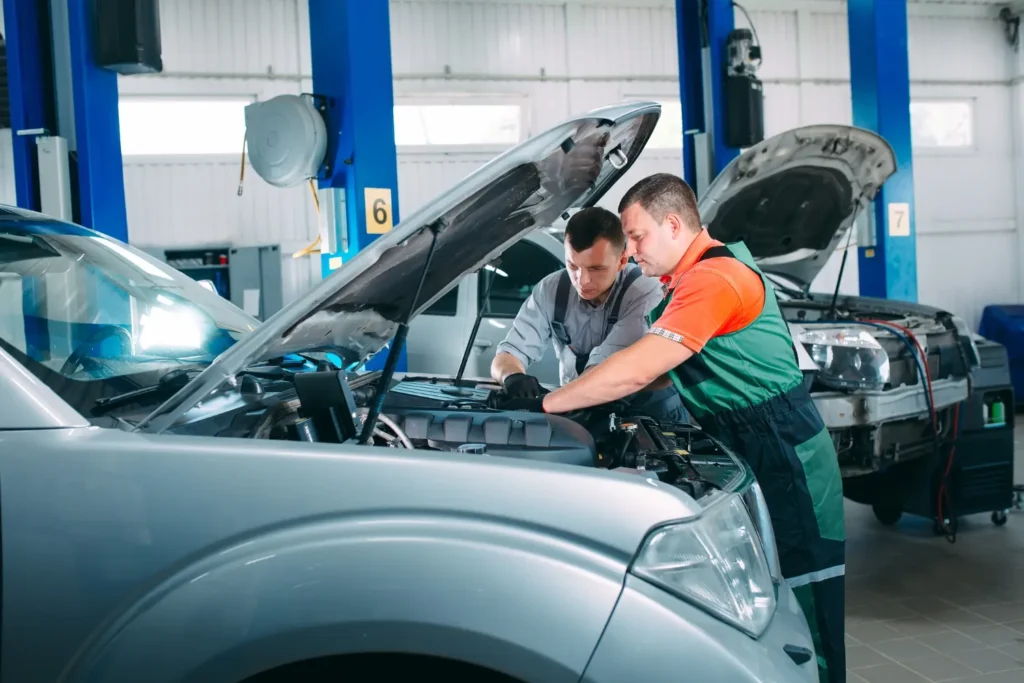
To explain, a mechanic for a gas car knows about oil, gears, and exhaust pipes. But an EV mechanic needs to know about electricity and computers. Working on an EV can be dangerous. The voltage is very high. Therefore, workers need special training to stay safe.
EV manufacturing challenges also include automation. Modern factories use many robots. As a result, we need fewer humans to lift heavy things. But, we need more humans to program the robots.
In short, the jobs are changing. They are becoming more technical. Workers have to go back to school. Unions and companies are working together to fix this. They want to make sure no worker is left behind during this shift.
Sustainability and the Environment
The main reason for this switch is to help the planet. Sustainability electric vehicles offer a path to a cleaner future. Gas cars burn fuel. This creates smoke and carbon dioxide. As a result, the planet gets warmer.
Zero-emission vehicles solve this problem. They have no tailpipe. That is to say, they do not release any smoke while you drive. This is great for cities. It makes the air fresh and healthy.
However, we must be honest. Making a battery uses a lot of energy. Digging for lithium and cobalt affects the land. So, an electric car is not perfectly clean on day one.
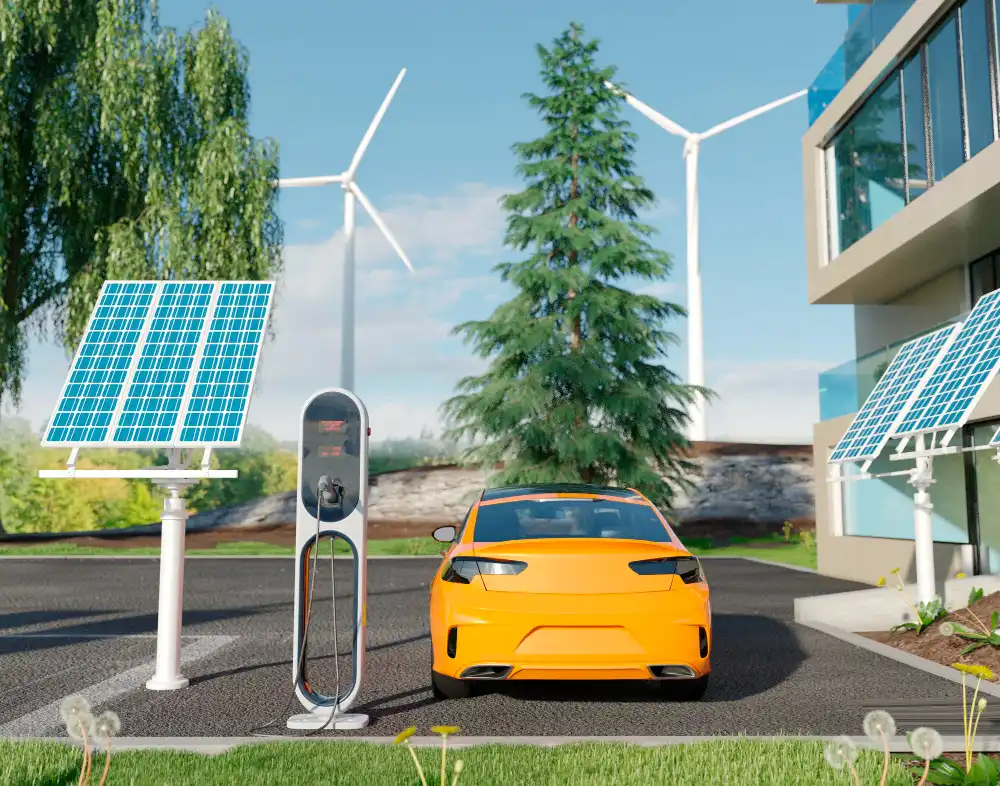
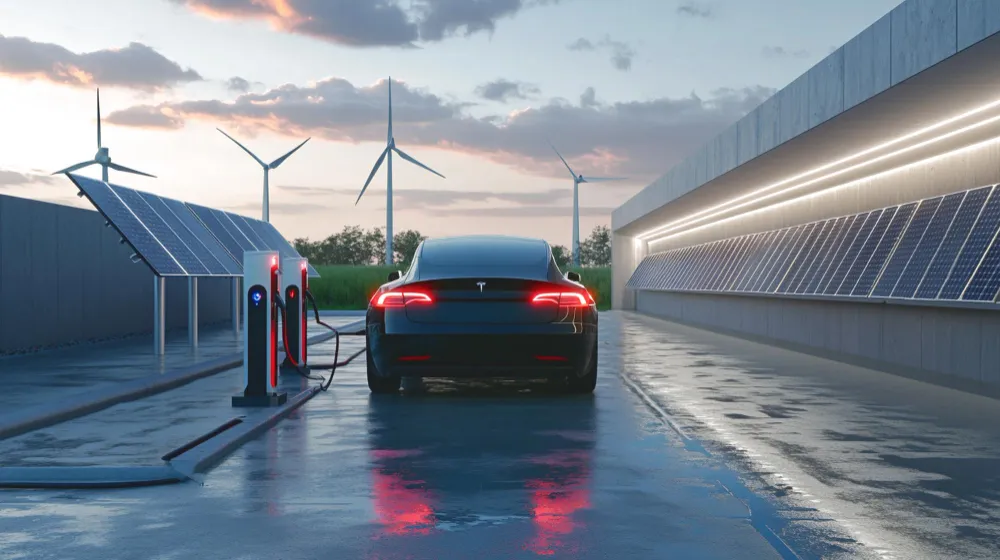
But, over time, it is much better. An electric car gets cleaner as it gets older. This is because our power grid is getting cleaner. We are using more solar and wind energy. When you charge your car with sun power, it is truly clean. Therefore, EVs are a vital tool to fight climate change.
Comparison: Gas Car vs. Electric Car Features
| Feature | Gas Car (ICE) | Electric Car (EV) |
| Primary Fuel | Gasoline / Diesel | Electricity |
| Moving Parts | 2,000+ | Less than 20 |
| Maintenance | High (Oil, Filters, Belts) | Low (Tires, Wipers) |
| Noise Level | Loud engine noise | Very quiet / Silent |
| Emissions | High tailpipe CO2 | Zero tailpipe emissions |
| Refueling | Gas Station (5 mins) | Charging (30 mins – 8 hours) |
The Challenge of Charging Infrastructure
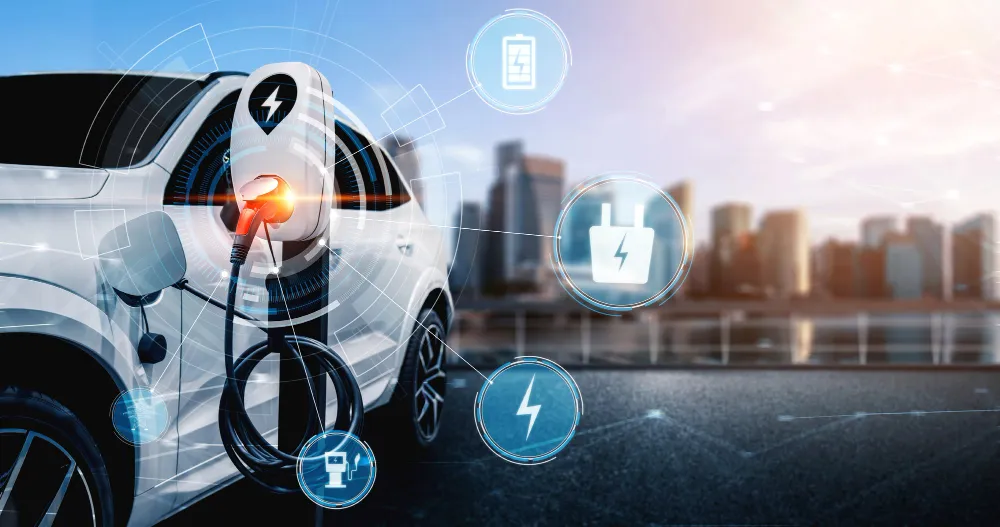
One of the biggest worries for drivers is charging. We call this “range anxiety.” Drivers worry they will run out of power. Therefore, the impact of electric vehicles relies heavily on charging stations.
We need more places to plug in. Charging station infrastructure is growing, but it needs to grow faster. In the past, you could find a gas station on every corner. Now, you need to find a charger.
Most people charge at home. This is very convenient. You wake up with a full “tank” every morning. However, not everyone has a garage. People in apartments have a harder time.
Consequently, cities are building chargers on the street. Businesses are putting chargers in parking lots. New technology is making charging faster, too. Some chargers can fill a battery in 20 minutes. As this gets better, more people will buy EVs.
Economic Changes and Business
The shift to EVs changes the economy. It affects oil companies, repair shops, and electricity providers. The impact of electric vehicles ripples through every business.
For instance, gas stations will have to change. They might become charging hubs with coffee shops. Since charging takes longer than pumping gas, people will stay longer. Therefore, they might buy more snacks or food.
Also, repair shops will see fewer cars. Electric cars do not break down as often. They do not need oil changes. So, mechanics will make less money on routine service. They will have to charge more for complex repairs.
In addition, electricity companies are happy. They will sell more power. But, they have to upgrade the grid. If everyone plugs in at the same time, the lights might go out. So, they are using smart technology to manage the load.
Technological Innovation Driving the Future
This shift is pushing technology forward. Technological innovation in cars is moving faster than ever. We are seeing better batteries every year.
Currently, we use lithium-ion batteries. But in the future, we might use solid-state batteries. These are safer and hold more power. That is to say, cars will drive further on a single charge.
Moreover, cars are becoming smarter. They connect to the internet. They can talk to other cars. Eventually, they might drive themselves. The electric platform is perfect for self-driving technology. The computer can control the electric motor very precisely.
Conclusion
To sum up, the impact of electric vehicles is real and powerful. It is reshaping our world in many ways. We are seeing changes in how we make things, how we drive, and how we protect nature.
It is a difficult journey. There are many hurdles. We need to build more chargers. We need to train more workers. We need to mine materials responsibly. However, the benefits are clear.
Above all, we are moving toward a cleaner, quieter, and more advanced future. The era of the noisy, dirty gas engine is fading. In its place, a new electric era is rising. It brings technological innovation and cleaner air for everyone. The road ahead is electric, and we are already on our way.
FAQs
The biggest impact is the reduction of air pollution. EVs have zero tailpipe emissions, which means cleaner air in cities and less damage to the climate over time.
Supply chains are struggling because EVs need different parts. Factories must switch from making steel engines to sourcing hard-to-find battery materials like lithium, cobalt, and copper.
Yes, they do. Electric motors have very few moving parts compared to gas engines. Therefore, you do not need oil changes, spark plugs, or transmission fluid replacements.
Governments help by offering tax credits and rebates to lower the price. In addition, they invest money to build more public charging stations to make driving easier.
The main challenge is the skills gap. Workers need to learn new technical skills. They must understand high-voltage electronics and software instead of traditional mechanical engine repair.