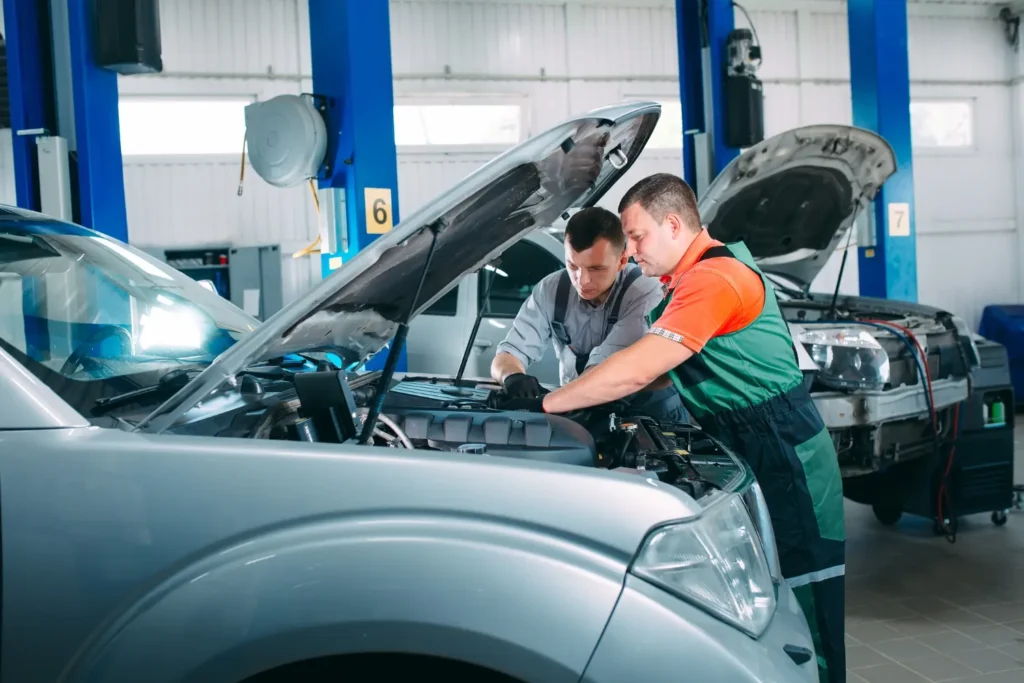
Buying your first car is easy with this guide. Learn to budget smart, choose between new and used cars, and get pre-approved for financing. Use our checklist to inspect any car and negotiate the best price. Drive away confidently with your perfect first car today!
Buying your first car is an exciting, big step. This comprehensive guide gives you easy, clear steps to find a reliable car and make a smart purchase.
We cover everything from setting a budget to signing the final papers. You will learn to negotiate like a pro and avoid hidden costs. Get ready to drive off with confidence!
Step 1: Budgeting for Buying Your First Car
Buying your first car successfully begins with a firm budget. This is the most crucial decision you will make. However, many new buyers focus only on the car’s price. You must also remember the ongoing, extra costs. Therefore, you should always create a comprehensive monthly budget first.
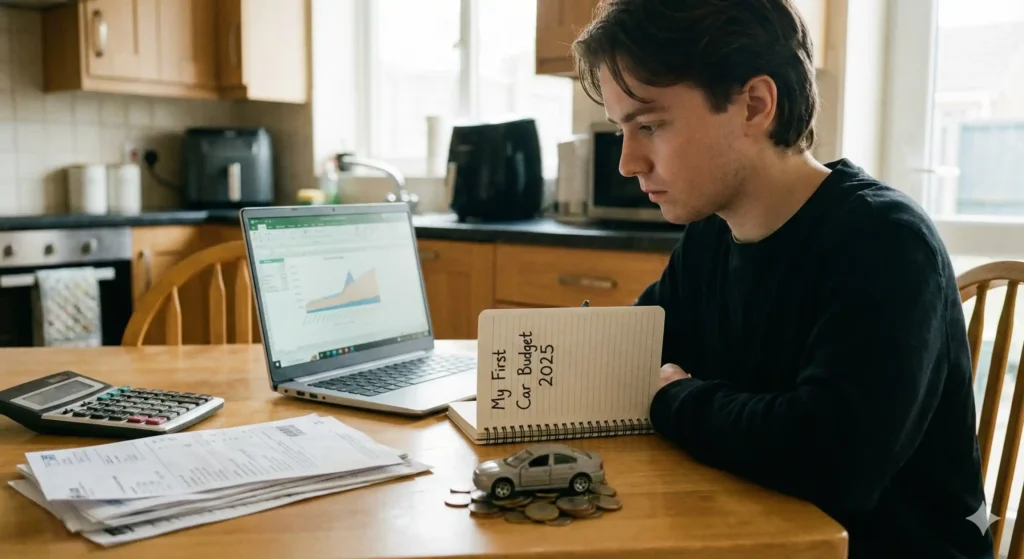
How much to spend on a first car
Review your income and all your fixed expenses, such as rent and bills. Then, determine how much money remains each month. Experts suggest that all car-related costs—loan payment, insurance, and gas—should not exceed 10% to 15% of your take-home pay. Consequently, you will avoid becoming “car-poor.”
Understand the Hidden Costs of Owning a Car
The initial price is just the start. You must consider the total cost of ownership. Fuel efficiency matters greatly; a car that gets poor gas mileage will cost you more every week. Maintenance also costs money, including oil changes and new tires.
Furthermore, you will pay for annual registration fees and taxes. Most importantly, insurance is required; therefore, always get an insurance quote before you finalize the purchase. This is a vital part of buying your first car.
| Hidden Cost | What It Covers | Why It Matters for a First Car |
| Insurance | Accidents, damage, and liability protection. | New drivers often face higher premiums. Budget for this! |
| Registration/Taxes | Government fees for ownership. | They are yearly expenses that must be planned for. |
| Maintenance | Routine checks, fluid changes, and repairs. | Used cars often require a larger maintenance budget. |
| Depreciation | The car’s loss of value over time. | This impacts the resale value when you decide to upgrade later. |
Step 2: Choosing Your Ride – New vs. Used for a First Driver
The choice between a new car and a used car is a big one. Both have pros and cons. However, for a first-time buyer, a used car often makes the most financial sense.
Why a Used Car is Smart
Used cars are significantly cheaper to acquire. They have already gone through the steepest drop in value, which is called depreciation. That is to say, you save money by letting the first owner absorb that loss.
Therefore, your budget allows you to purchase a better-quality used car than a basic new car. Furthermore, used cars often have lower insurance premiums.
Certified Pre-Owned (CPO) Cars: The Middle Ground
CPO vehicles are a great choice for buying your first car. They are used cars sold by a dealership. However, the dealer inspects them thoroughly against a strict checklist.
In addition, CPO cars usually come with a limited warranty from the manufacturer. Likewise, they combine the affordability of a used car with a measure of new-car protection.

Step 3: Financing Your First Car Purchase
If you need a loan, you must understand the financing process. Getting this step right is key to buying your first car affordably.
Understand Your Credit Score
Your credit score is a report card for your financial responsibility. Most importantly, a higher score secures a better, lower interest rate on your car loan.
Therefore, check your credit report well before you start shopping. A better rate means the loan costs you less money over its full term.
Get Pre-Approval for Stronger Negotiation
Visit your local bank or credit union before you visit any dealership. Ask them for a pre-approval on a car loan. This means the bank agrees to lend you a certain amount of money. In other words, you have a set spending limit and a clear interest rate.
The pre-approval is a powerful tool. As a result, you can focus on negotiating the car’s price, not the loan terms. This will improve the process of buying your first car.
The Down Payment
A down payment is the money you pay upfront. It directly reduces the amount you need to borrow. Therefore, a larger down payment leads to smaller monthly payments and less interest paid overall.
Financial experts recommend putting down at least 10% to 20% of the car’s price, if possible.
Step 4: The Car Buying Checklist – Inspect and Verify
You have set your budget and decided on the type of car. Now, it is time to find a specific vehicle.
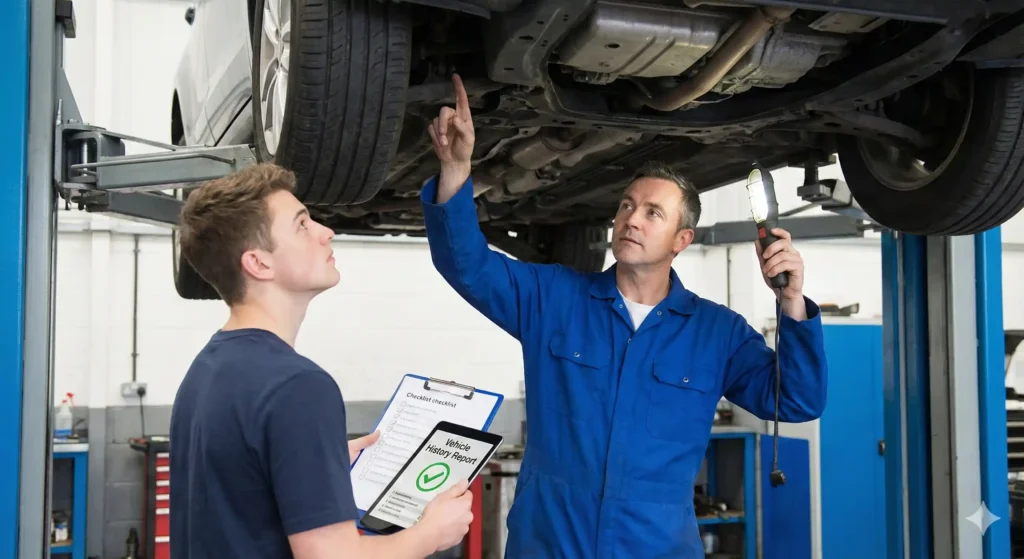
Vehicle History Report (Carfax)
For any used car, you absolutely must obtain a Vehicle History Report. Carfax is the standard provider for this service. This report is essential information. It reveals if the car has been in a major accident or if it has any title issues.
Furthermore, it tells you the number of previous owners and the maintenance records. Do not skip this step when buying your first car.
What to look for during a Test Drive
Never purchase a car without a test drive. The drive should last at least 30 minutes and cover both city streets and highway speeds. This is your chance to really assess the car’s performance.
- Check the Brakes: Do they feel firm and stop the car smoothly? Listen for any grinding or squealing sounds.
- Engine Performance: Does the engine sound smooth, or does it hesitate or make unusual noises when you accelerate?
- Steering and Suspension: Does the car pull strongly to one side? Does it handle bumps without feeling overly shaky?
- Inspect Electronics: Test the A/C, heat, radio, lights, and all power windows. Everything should work perfectly.
The Pre-Purchase Inspection (PPI)
This step is critical when buying your first car used. After a good test drive, take the car to your own trusted, independent mechanic for a pre-purchase inspection (PPI). The mechanic will check the car for hidden problems, like rust, frame damage, and major engine leaks. This small fee protects you from buying a vehicle that needs thousands of dollars in repairs later.
Step 5: Negotiating and Finalizing the Deal
You found the car, and the inspection was good. Now, you must negotiate the price.
Effective Negotiation Tips
- Know the Fair Price: Research the exact car’s value online using current 2025 data. Knowing the market price is your best weapon.
- Separate the Deals: Always negotiate the car’s selling price first. Only after you agree on the price should you discuss your trade-in or the financing details.
- Be Willing to Walk: The dealer’s best price is often not their first price. Be polite, but be ready to leave if the offer is not fair. Sometimes, this causes them to offer a better deal.
- Avoid Add-Ons: Dealers make extra money selling things like fabric protection and extended warranties. You usually do not need these costly extras. Just say, “I will just take the car at the agreed price.”
Finalizing the Purchase
Read every single line of the final contract before you sign it. Do not let anyone rush you. Ensure the price and the loan terms match what you agreed to. Once you are certain everything is correct, you can sign the paperwork. Congratulations, you have successfully completed buying your first car!
Conclusion: Driving Freedom
You are now fully prepared for buying your first car. You have a solid budget, you know how to inspect a car, and you are ready to negotiate like an expert.
This car buying checklist and knowledge will save you time and money. Use this roadmap to make a smart, confident purchase. Enjoy the exciting freedom that comes with your new ride!

Frequently Asked Questions
A down payment of 10% to 20% of the car’s price is generally recommended. A larger down payment lowers your loan amount and your monthly interest charges.
A used car is often better. It is cheaper, and you avoid the steep depreciation loss that happens in the first few years of a new car’s life.
Pre-approval is a loan offer from a bank before you shop. It sets your budget and interest rate, giving you better negotiation power at the dealership.
Yes, always get a Vehicle History Report (like Carfax) for any used car. It reveals crucial information about accidents, title issues, and maintenance records.
The most important step is the Pre-Purchase Inspection (PPI). Your own trusted mechanic checks the car for any hidden and expensive mechanical or body problems.

Jake Harlan is a seasoned automotive journalist with over 10 years of experience. From family SUVs to high-performance sports cars, he delivers accurate, unbiased reviews and practical insights trusted by enthusiasts and everyday drivers alike.